


From:Femi Mustapha in Kaduna
The Kaduna State Government and UNICEF have renewed calls for stronger support for breastfeeding, urging families, employers, communities and institutions to create an enabling environment that allows mothers to give every child the healthiest start in life.
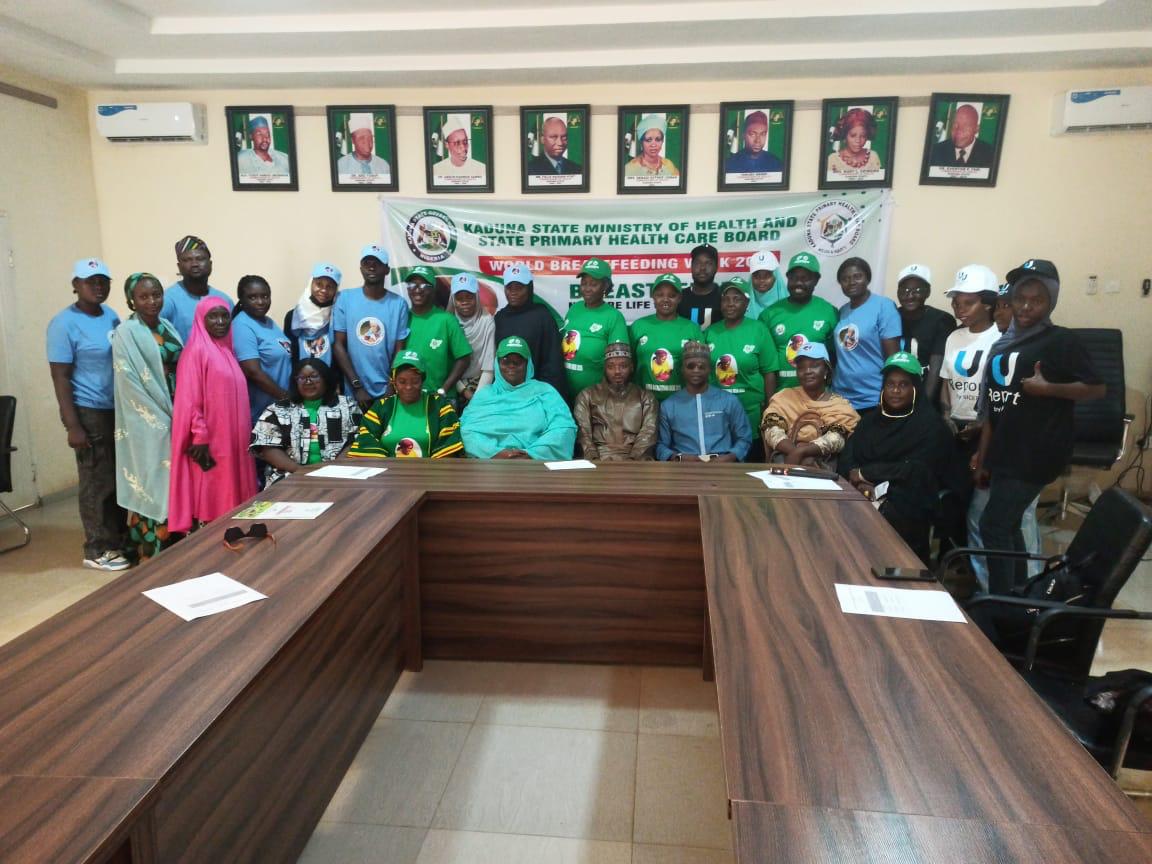
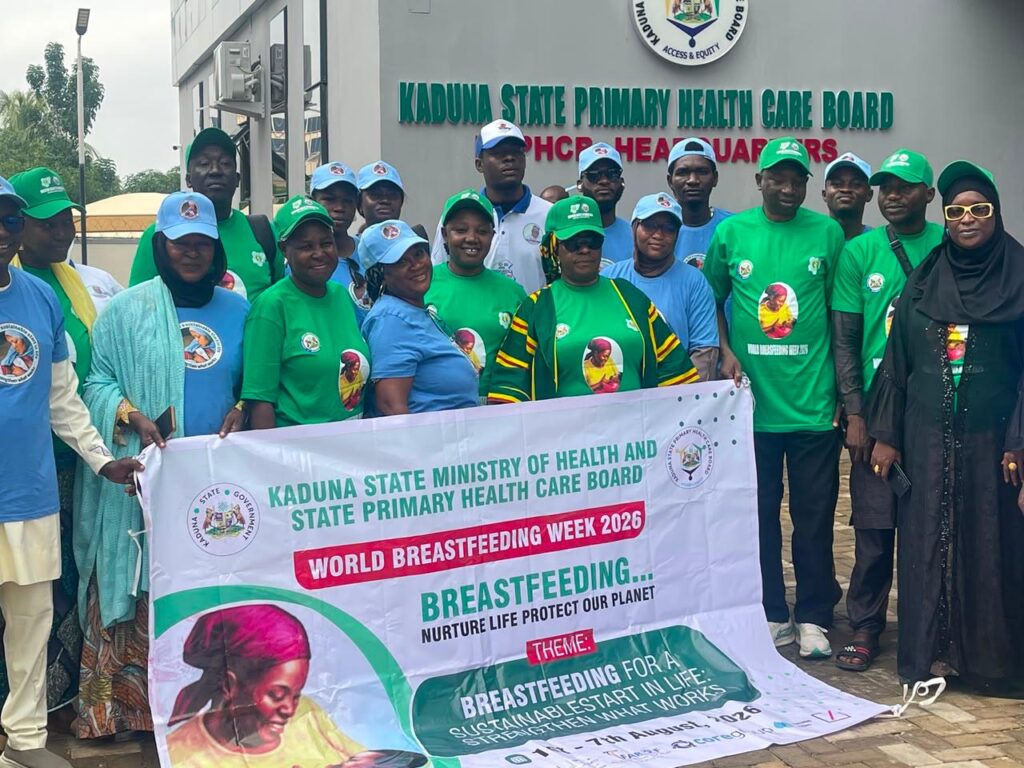
The appeal was made during a press briefing to commemorate World Breastfeeding Week 2026, themed “Breastfeeding for a Sustainable Start in Life: Strengthen What Works.”
Speaking at the event, the Kaduna State Commissioner for Health, Hajiya Umma K. Ahmed, described breastfeeding as one of the most effective and affordable interventions for improving child survival, nutrition and long-term development.
She said exclusive breastfeeding during the first six months of life provides all the nutrients an infant needs, protects against childhood illnesses, strengthens immunity and supports optimal brain development.
According to the commissioner, the Kaduna State Government remains committed to strengthening maternal, newborn, child, and adolescent health and nutrition services across the state’s 23 local government areas through investments in Infant and Young Child Feeding programs, Baby-Friendly health facilities, maternal nutrition, and community nutrition services.
Ahmed stressed that achieving optimal breastfeeding practices requires collective action, calling on fathers, employers, healthcare workers, traditional and religious leaders, civil society organizations, development partners, and the media to support mothers before, during, and after childbirth.
She also encouraged mothers to initiate breastfeeding within one hour of birth, exclusively breastfeed their babies for the first six months, and continue breastfeeding alongside appropriate complementary feeding until two years of age or beyond.
Also speaking, Chinwe Ezeife, Nutrition Specialist at the UNICEF Kaduna Field Office, said this year’s campaign goes beyond raising awareness to strengthening interventions that have already proven effective in improving maternal and child nutrition.
She explained that UNICEF is working with the Kaduna State Government to advance the First 1,000 Days Initiative, which focuses on the critical period from conception until a child’s second birthday, when nutrition has the greatest impact on growth, learning and lifelong health.
Ezeife described breastfeeding as a cornerstone of human capital development, noting that healthy children are more likely to survive, learn effectively and become productive adults.
She commended Kaduna State for adopting six months of paid maternity leave for eligible women, describing the policy as a major step towards protecting and promoting exclusive breastfeeding.
She also advocated breastfeeding-friendly workplaces equipped with crèches and lactation support, noting that mothers should not have to choose between earning a living and providing optimal nutrition for their babies.
According to her, the state has demonstrated leadership by establishing workplace childcare facilities in some government institutions, enabling nursing mothers to continue breastfeeding after resuming work.
Ezeife further highlighted the three essential breastfeeding practices: initiating breastfeeding within the first hour after birth, practicing exclusive breastfeeding for the first six months without giving water or other foods, and continuing breastfeeding alongside appropriate complementary feeding until at least two years of age.
She added that UNICEF has supported the training of healthcare workers on Maternal, Infant and Young Child Nutrition (MIYCN) to improve counseling and breastfeeding support services across Kaduna State.
The nutrition specialist urged communities, traditional and religious institutions, health workers, and local government authorities to work together to support mothers, while expressing optimism that Kaduna State would continue to improve its breastfeeding indicators.
Both speakers reaffirmed that strengthening breastfeeding practices is central to reducing child malnutrition, improving maternal and child health outcomes, and building a healthier and more productive population.
World Breastfeeding Week is observed annually from 1 to 7 August to promote, protect and support breastfeeding as a key intervention for child survival and sustainable development.
Rewrite the above story with a good, different headline and ensure all paragraphs are connected and flow, and are ready for publication