


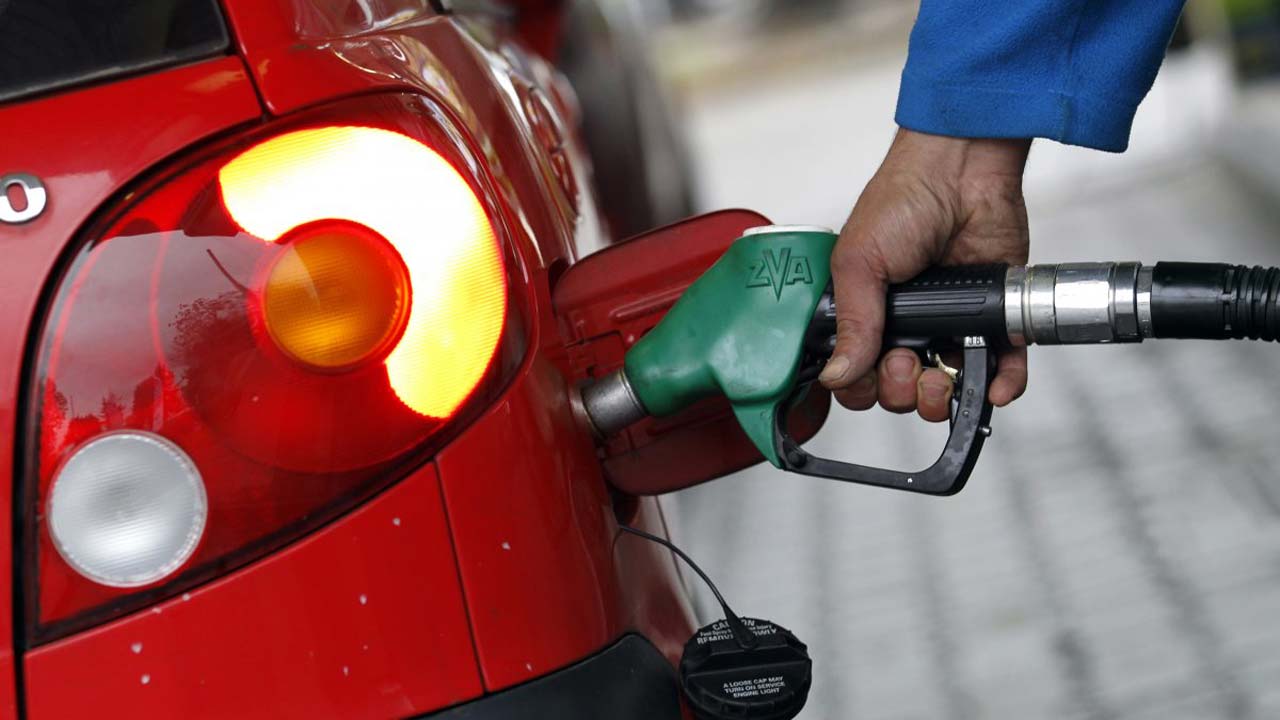
The Federal Government says the removal of petrol subsidy saved ₦15.8 trillion between June 2023 and December 2025.
But what does that figure actually mean?
Here are key facts:
₦15.8trn In Subsidy Savings
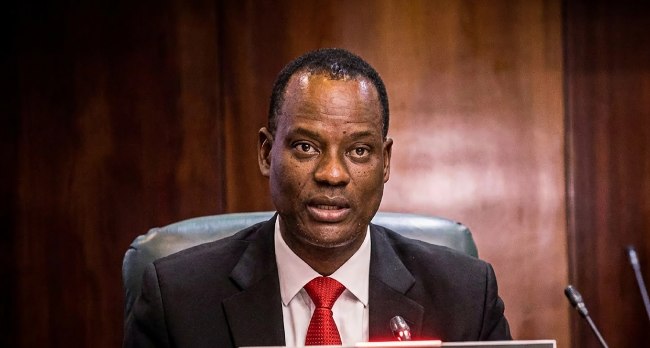
According to Minister of Finance and Coordinating Minister of the Economy, Taiwo Oyedele, ending the petrol subsidy mobilised ₦15.8 trillion in resources for the federation between June 2023 and December 2025.
However, the money was not paid into a separate account labelled “subsidy savings”.
Where did the money go?
Of the ₦15.8 trillion, ₦5.4 trillion went to the Federal Government, and ₦10.4 trillion was shared among states and local governments through the Federation Account.
Why Was The Subsidy Removed?
President Bola Tinubu announced the removal on May 29, 2023, declaring: “Subsidy is gone.”
The government said the subsidy had become too expensive and was putting pressure on public finances.
What Changed After The Removal?
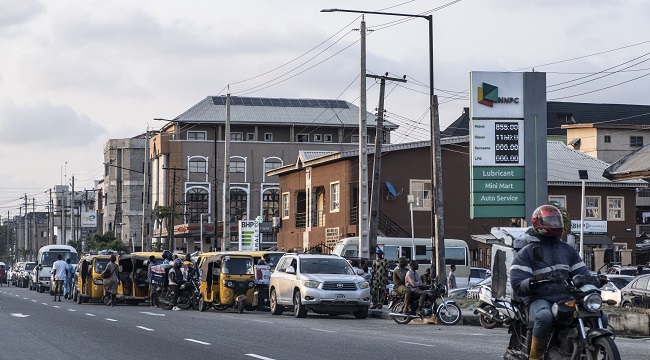
Vehicles queue for fuel at an NNPC (Nigerian National Petroleum Corporation) filling station in Lagos, on September 4, 2024. (Photo by FAWAZ OYEDEJI / AFP)
Petrol prices rose sharply following the policy.
This contributed to higher:
Transport fares
Food and logistics costs
Production costs
Household expenses
Was Subsidy Removal The Only Source Of Extra Money?
No. Oyedele said the Federal Government also:
Generated ₦3.1 trillion in additional independent revenue
Borrowed ₦11.9 trillion between June 2023 and December 2025
He said the Federal Government’s incremental resources during the period amounted to ₦20.4 trillion, while incremental expenditure reached ₦30.64 trillion.
So, Did Government Actually Receive ₦15.8tn?
Not as a single cash payment.
The ₦15.8 trillion represents resources the government says became available to the Federation because it stopped funding the petrol subsidy.
What Does This Mean For Nigerians?
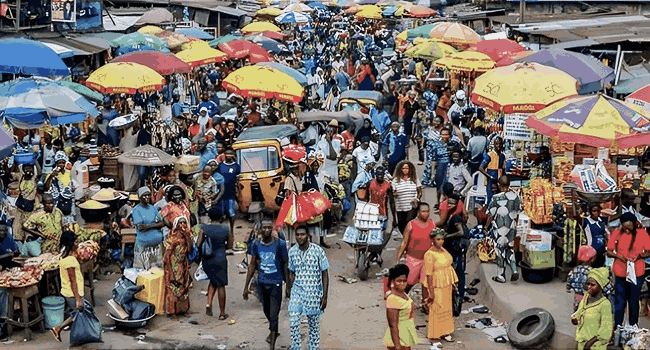
The government gained more fiscal space by ending the subsidy, but Nigerians also faced higher petrol prices and increased living costs.
The bigger question is whether the resources freed by the reform are being converted into better infrastructure, public services and economic opportunities.
Bottom line: The ₦15.8 trillion is best understood as resources freed up by ending the subsidy, not money sitting in a special government account.