


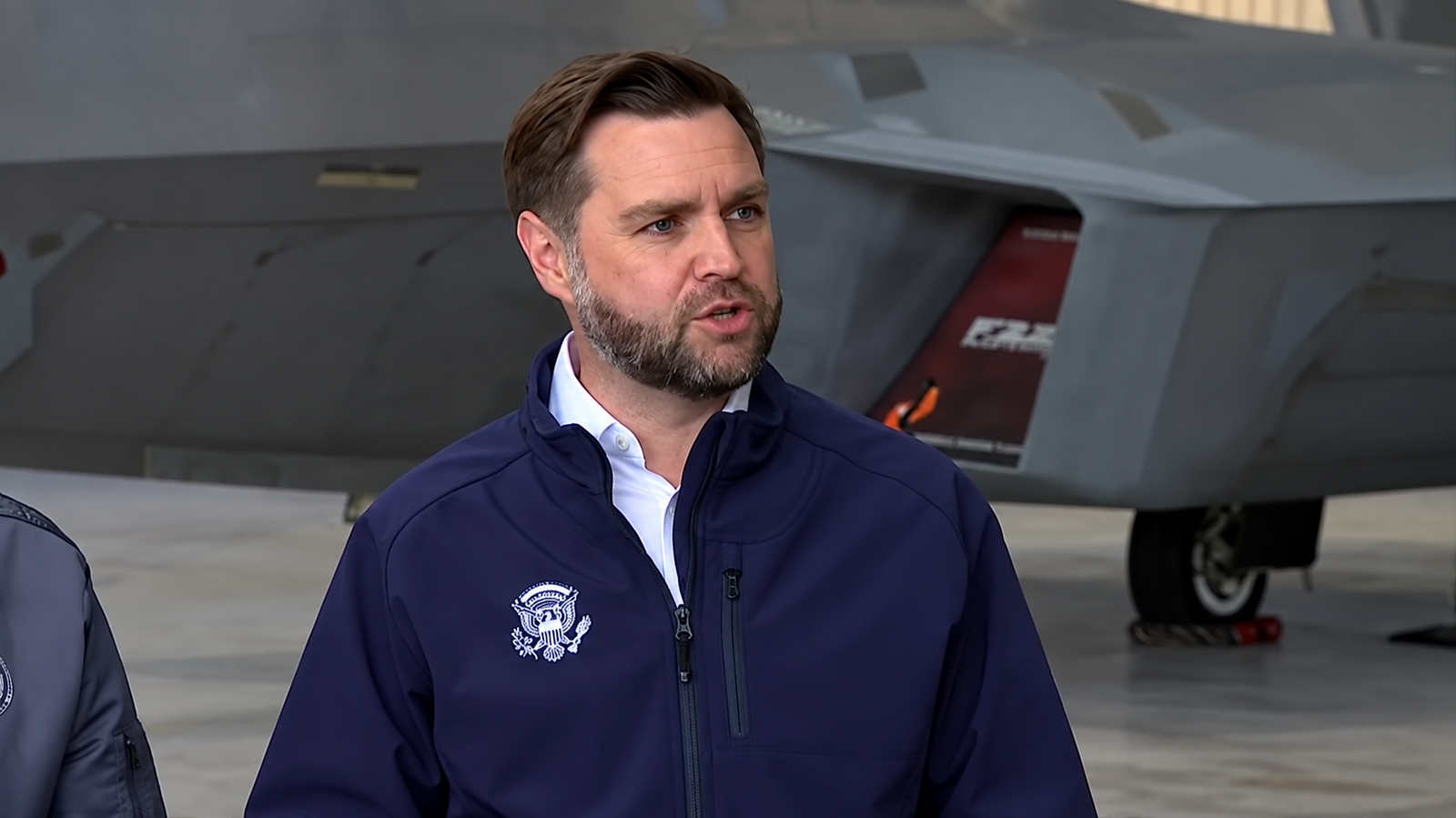
US Vice President JD Vance has highlighted the Trump administration’s push to expand energy development and infrastructure in Alaska, saying the state’s oil and gas resources could create jobs while strengthening the wider US economy.
Vance made the remarks during his visit to Alaska this week, where he campaigned in support of Republican Senator Dan Sullivan ahead of the November 3, 2026, midterm elections. His visit included a rally at Fairbanks International Airport and a stop at Joint Base Elmendorf-Richardson in Anchorage. Reuters confirmed that Vance was in Alaska on October 5 and 6 as Republicans seek to defend Sullivan’s Senate seat.
At the Fairbanks rally, Vance linked Alaska’s energy development to employment and economic opportunities, particularly for workers in the state’s oil and natural-gas industries.
“The infrastructure projects happening right now in Alaska aren’t some abstract debate in Washington. They’re a paycheck, they’re a career, they’re dignity, and they’re the means to provide for your families,” Vance said during the rally.
He also argued that Alaska could simultaneously develop its natural resources, protect its environment and strengthen its economy.
Vance’s comments came as his administration promotes a wider programme of energy and infrastructure development in the state. President Donald Trump signed an executive order in January 2025 directing federal agencies to accelerate the development of Alaska’s energy and natural resources, including oil, gas and liquefied natural gas (LNG).
During his Fairbanks appearance, Vance announced a $400 million Alaska Railbelt Transmission Project aimed at expanding the state’s electricity transmission network. According to his remarks, the project will support more than 200 miles of new transmission lines and is expected to improve grid reliability and reduce energy costs for about 75 per cent of Alaska’s population.
The US Energy Department separately announced $150 million in federal funding for the transmission project, which will connect the Beluga power station in Southcentral Alaska with Healy in the state’s interior. Reuters reported that the overall project is expected to cost about $400 million and cover approximately 223 miles.
Energy development was a central theme of Vance’s Alaska visit, with the vice president also promoting the proposed Alaska LNG project.
He described the LNG project as a major component of the administration’s energy strategy and said countries in Asia were interested in obtaining Alaska’s natural gas. Vance said the United States wanted prospective buyers to help finance construction of the infrastructure required to deliver the gas.
The Alaska LNG project has nevertheless faced questions over financing and the terms of potential foreign participation. Reuters reported that South Korea had expressed reservations about aspects of a proposed investment package and said commercial and legal conditions would need to be resolved before the pipeline could proceed.
Vance’s Alaska trip also had an unmistakable political dimension. Sullivan is seeking another term in the Senate and faces Democratic challenger Mary Peltola in a closely watched race. Recent polling has made Alaska more competitive than Republicans would normally expect from the traditionally conservative state.
The vice president’s remarks therefore combined the administration’s energy agenda with a campaign message focused on jobs, infrastructure and resource development. Vance portrayed continued investment in Alaska’s oil, gas and electricity infrastructure as important to the state’s economic future.
His visit also came against the backdrop of higher energy costs and continuing international pressure on global oil and gas markets. Reuters reported that Sullivan has made energy production a major part of his campaign platform, while Vance has argued that developing Alaska’s resources can contribute to greater US energy security.
The administration’s position is consistent with policies already adopted since Trump’s return to office. The White House says nearly 82 per cent of Alaska’s National Petroleum Reserve has been reopened to oil and gas leasing, while 1.56 million acres of the Coastal Plain have also been opened to leasing. The administration has additionally promoted mineral development and expanded access to Alaska’s resource-rich areas.
Environmental groups and opponents of expanded drilling have raised concerns about the potential effects of increased resource extraction in Alaska, while supporters argue that development can provide employment, government revenue and greater domestic energy security.
Vance’s latest comments underscore the administration’s broader argument that Alaska’s natural resources should be developed alongside infrastructure investment. For the Trump administration, the objective is not only to increase oil and gas production but also to build the roads, pipelines, transmission lines and other infrastructure needed to move energy to consumers and overseas markets.
The developments announced during Vance’s visit will now depend on the implementation of federal funding, permitting and investment commitments, as well as the commercial viability of major projects such as the Alaska LNG pipeline.