


By Femi Mustapha in Kaduna
The Africa Network for Environment and Economic Justice (ANEEJ) is participating in the Thirteenth Session of the Conference of the Parties to the United Nations Convention against Transnational Organized Crime (UNTOC COP13), being held in Vienna, Austria.
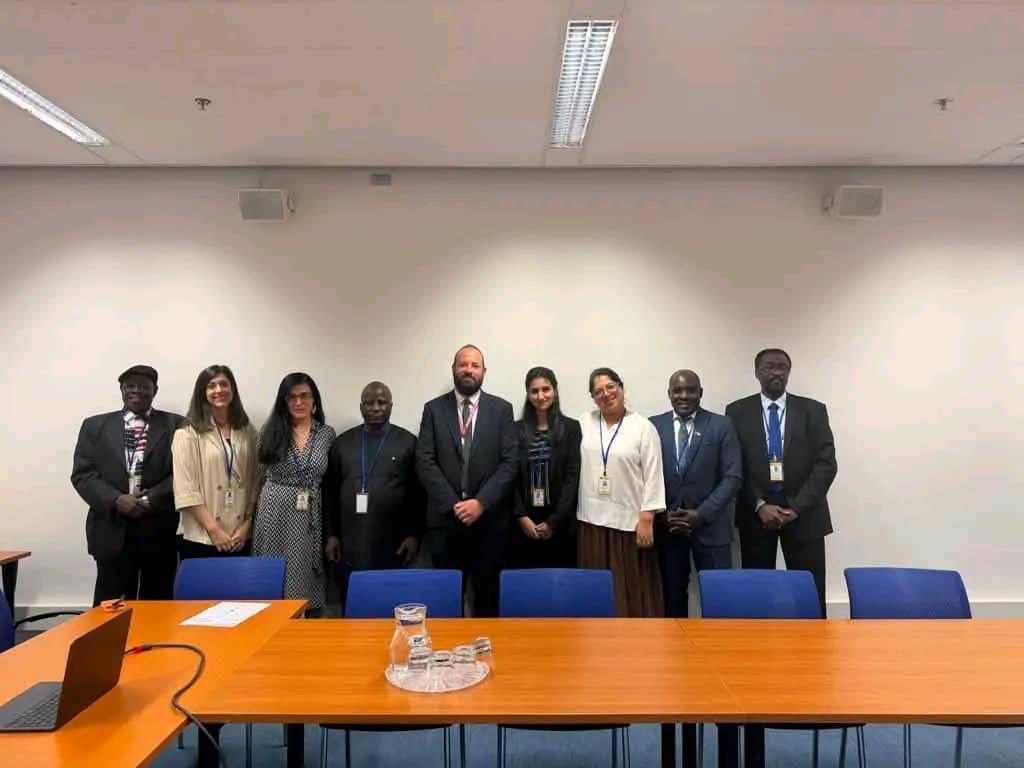
ANEEJ Executive Director Rev. David Ugolor is attending as part of the Global Initiative Against Transnational Organized Crime (GI-TOC) partner delegation. ANEEJ Communications Officer Hussein Adeleye joins him.
Both representatives are participating in conference proceedings and side events, providing coverage and reports for ANEEJ’s partners and members on key discussions, recommendations, and opportunities for civil society action.
At a side event during COP13, Mr. Ian Tennant, Director of Multilateral Engagement at GI-TOC, delivered a presentation titled “Multilateral Engagement: What is the COP and why is it important?” which was well received by participating GI-TOC partners, including ANEEJ.
The presentation highlighted two central functions of UNTOC: requiring parties to criminalize specified offenses and providing a framework for international cooperation against organized crime.
According to Tennant, the Conference of the Parties supports implementation by bringing parties together to review progress, strengthen cooperation, and agree on measures to improve the Convention’s effectiveness.
A central message of the presentation was that the promise of Palermo remains unfulfilled. Despite broad participation in the Convention, its tools remain underused, organized crime continues to expand, and the implementation review process is progressing too slowly.
Tennant noted that the growing diversity of illicit markets and their impact on communities require more effective responses. He also examined pressures on the United Nations, including funding constraints, political divisions, and responsibilities dispersed across numerous bodies, which weaken coordination.
To address the gaps, the presentation recommended strengthening existing mandates and translating commitments into effective implementation; establishing an independent research and monitoring center under UN auspices; and complementing legal approaches with community evidence, new data, and broader stakeholder participation.
Other recommendations include promoting critical evaluation and scrutiny, including examining evidence of state involvement in organized crime; supporting civil society-led shadow reviews at national, regional, and thematic levels; and undertaking an independent global review of UNTOC’s implementation and impact.
GI-TOC welcomed ideas from partners on advancing these priorities, particularly through stronger local civil society participation and independent monitoring.
For ANEEJ, the discussion presents an opportunity to explore a Nigerian civil society shadow review of UNTOC implementation, drawing on its experience in human trafficking prevention, youth empowerment, anti-corruption, and asset recovery to connect community experiences with national policy and international advocacy.
ANEEJ said its conference coverage and reports will share lessons, emerging priorities, and opportunities for collaboration with its partners and members to support informed engagement and collective action against transnational organized crime.