


By TheDailyNewsHub Reporter
The Federal Government has announced plans to establish 127 additional Compressed Natural Gas (CNG) refuelling stations across 31 states and the Federal Capital Territory, as it steps up efforts to expand access to alternative transport fuels and reduce mobility costs for Nigerians.
The announcement was made during a media engagement organised by the Decade of Gas Secretariat in collaboration with the Presidential Initiative on Compressed Natural Gas and Electric Vehicles (PI-CNG & EV) in Kano on Thursday, October 22, 2026.
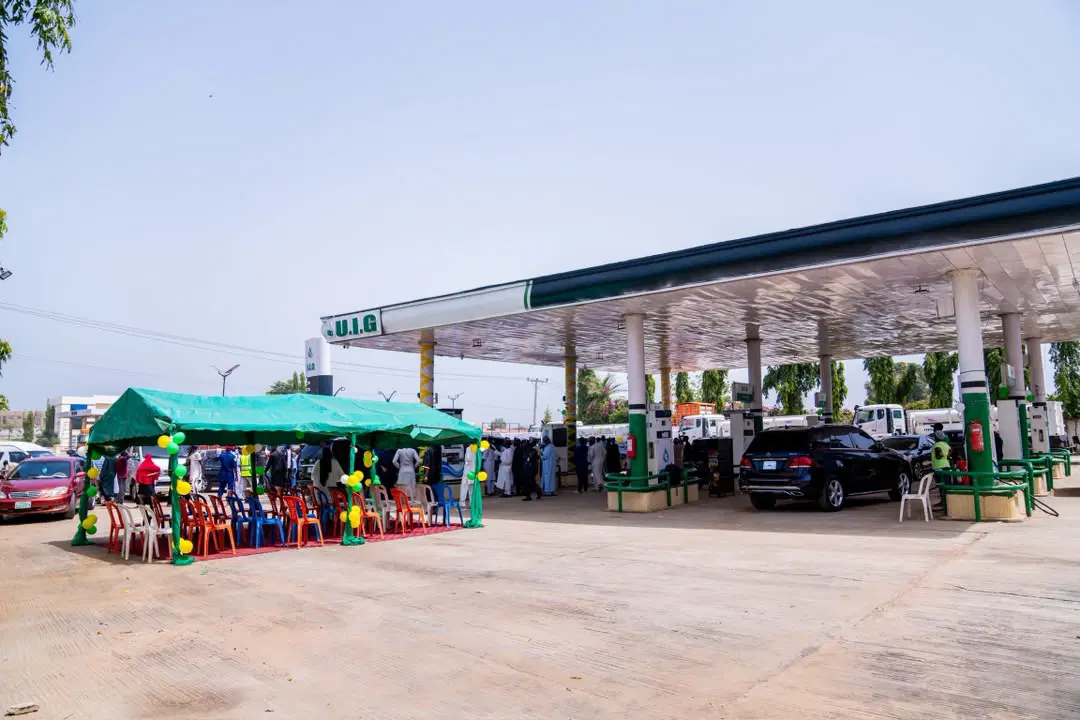
Kano was highlighted as a major centre for CNG adoption in the North-West, with the government pointing to expanding refuelling infrastructure, vehicle conversion activities and the deployment of gas-powered buses as part of efforts to promote cleaner and potentially more affordable transportation.
According to a report by Channels Television, officials at the engagement said seven CNG refuelling stations were operational in Kano, while another 17 were at various stages of completion. However, separate reports published earlier in the week said Kano’s network had grown to 12 stations following the commissioning of additional facilities. The figures differ, and further clarification is needed to establish the precise current number of operational stations.
The proposed nationwide expansion is intended to address one of the practical barriers to CNG adoption: access to refuelling infrastructure. Without conveniently located stations and reliable gas supplies, motorists and commercial transport operators may be reluctant to convert vehicles from petrol or diesel.
Speaking at the engagement, PI-CNG & EV Chief Operating Officer Tosin Coker said the initiative was designed to provide Nigerians with alternative transportation options while reducing dependence on conventional fuels.
He disclosed that 670 CNG buses had been deployed nationwide, including 285 operating commercially across 13 states. Another 302 buses had been allocated to transport unions, students and government agencies, according to the figures presented at the event.
Coker also said routes participating in the National Affordable CNG Transition Programme had recorded transport fare reductions ranging from 15 to 50 per cent. The extent of savings available to individual passengers, however, depends on the route, operator and whether lower operating costs are passed on through reduced fares.
Kano has also received 25 additional CNG buses to complement earlier commercial deployments, according to the official. The additional vehicles are expected to support the state’s efforts to expand gas-powered transport services.
The government’s CNG programme forms part of a wider response to the pressure that high transport costs place on households, businesses and commuters. By encouraging the use of natural gas in transportation, authorities aim to diversify fuel options and increase domestic utilisation of Nigeria’s gas resources.
However, wider adoption will depend on more than the number of stations announced or constructed. Vehicle conversion costs, the availability of financing, reliable gas supplies, maintenance capacity and compliance with safety standards will influence how quickly motorists can make the transition.
Coker stressed the importance of using certified conversion centres, approved equipment and properly maintained vehicles, highlighting safety and regulatory compliance as important considerations for motorists adopting CNG technology.
At the same engagement, Taofeek Balogun, Workstream Lead for Infrastructure and Demand at the Decade of Gas Secretariat, outlined developments in Nigeria’s gas sector, including increased reserves, higher production and progress on major pipeline projects.
Balogun said Nigeria’s proven gas reserves had increased from 208.83 trillion cubic feet in 2023 to 215.19 trillion cubic feet as of January 2026. He also reported that average gas production had risen from 6.86 billion cubic feet per day to approximately 7.5 billion cubic feet per day, while domestic gas supply exceeded two billion cubic feet daily.
He further disclosed that about $3.5 billion in investment commitments had been recorded across four major gas projects. The OB3 Gas Pipeline had been completed, while the Ajaokuta-Kaduna-Kano (AKK) Gas Pipeline was approximately 95 per cent complete, according to his presentation.
The AKK pipeline is particularly relevant to the development of gas infrastructure in northern Nigeria, where improved gas transportation capacity could support industrial demand and other uses. However, the extent to which pipeline development translates into greater access to CNG will depend on the supporting distribution infrastructure, investment and supply arrangements.
Balogun also said public infrastructure funding of ₦671 billion had attracted approximately ₦1.6 trillion in private investment, reflecting the role of public funding in supporting private-sector participation in the gas industry.
The Federal Government’s broader gas agenda also includes expanding the use of liquefied petroleum gas for domestic cooking, with a target of reaching five million households by 2030, Balogun said.
For the CNG programme, the planned addition of 127 refuelling stations represents a further step towards widening the network. Its impact will ultimately depend on how quickly the facilities become operational, where they are located and whether motorists can access affordable conversion services and dependable supplies.
As Kano and other states expand their CNG infrastructure, the key test will be whether the investment translates into accessible refuelling points, lower transport costs and a sustainable alternative for commercial operators and private motorists.