


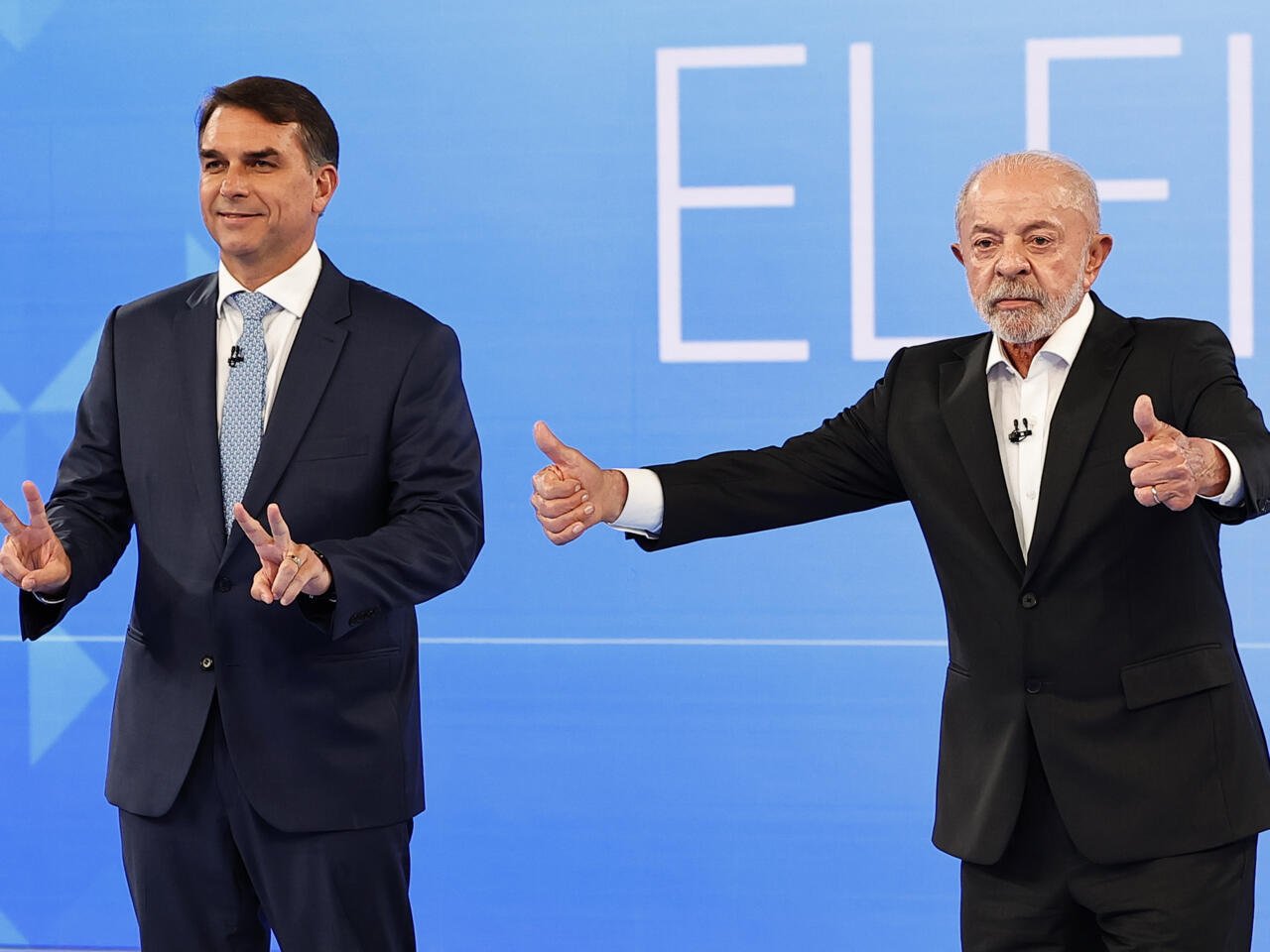
Brazilians are voting on Sunday, October 25, in a closely contested presidential runoff between incumbent Luiz Inácio Lula da Silva and right-wing Senator Flávio Bolsonaro, son of former president Jair Bolsonaro.
The election will determine whether Latin America’s largest economy continues under Lula’s left-wing administration or shifts towards the political right under Bolsonaro, whose campaign has focused on public security, government spending and calls for political change.
Lula, 80, is seeking a fourth non-consecutive presidential term. He has campaigned on his record of social welfare programmes, poverty reduction and efforts to protect Brazil’s democratic institutions. However, rising living costs and concerns about crime have become major issues for voters.
Flávio Bolsonaro, 45, has promised tougher measures against crime and reduced government spending. He has also pledged to seek the release of his father, Jair Bolsonaro, who is serving a 27-year prison sentence following his conviction over an attempted coup after losing the 2022 election.
The contest follows a surprising first-round result in which Flávio Bolsonaro finished ahead of Lula. Final opinion polls indicated a close race, setting the stage for a tightly contested runoff.
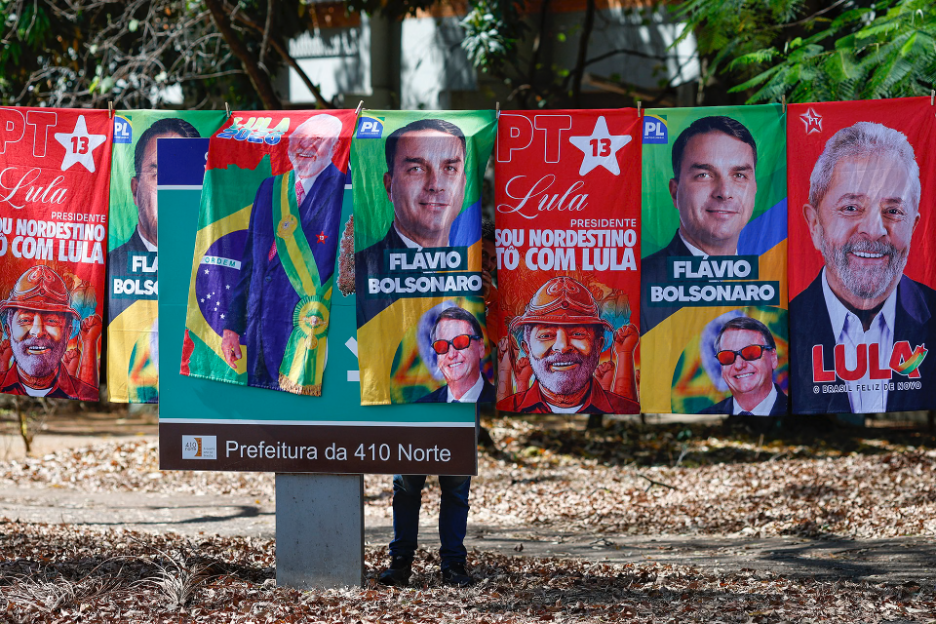
The campaign has also exposed divisions over social spending, corruption, environmental policy and Brazil’s relationship with the United States. Lula has presented himself as a defender of social protections, while Bolsonaro has appealed to voters seeking a change in leadership.
The outcome could have implications beyond Brazil, particularly for regional political alliances, environmental protection and relations with Washington. Voting is expected to conclude on Sunday, with results anticipated later in the day.
Whatever the outcome, the election is likely to leave Brazil facing significant political divisions and difficult questions about the country’s economic direction and democratic institutions.