


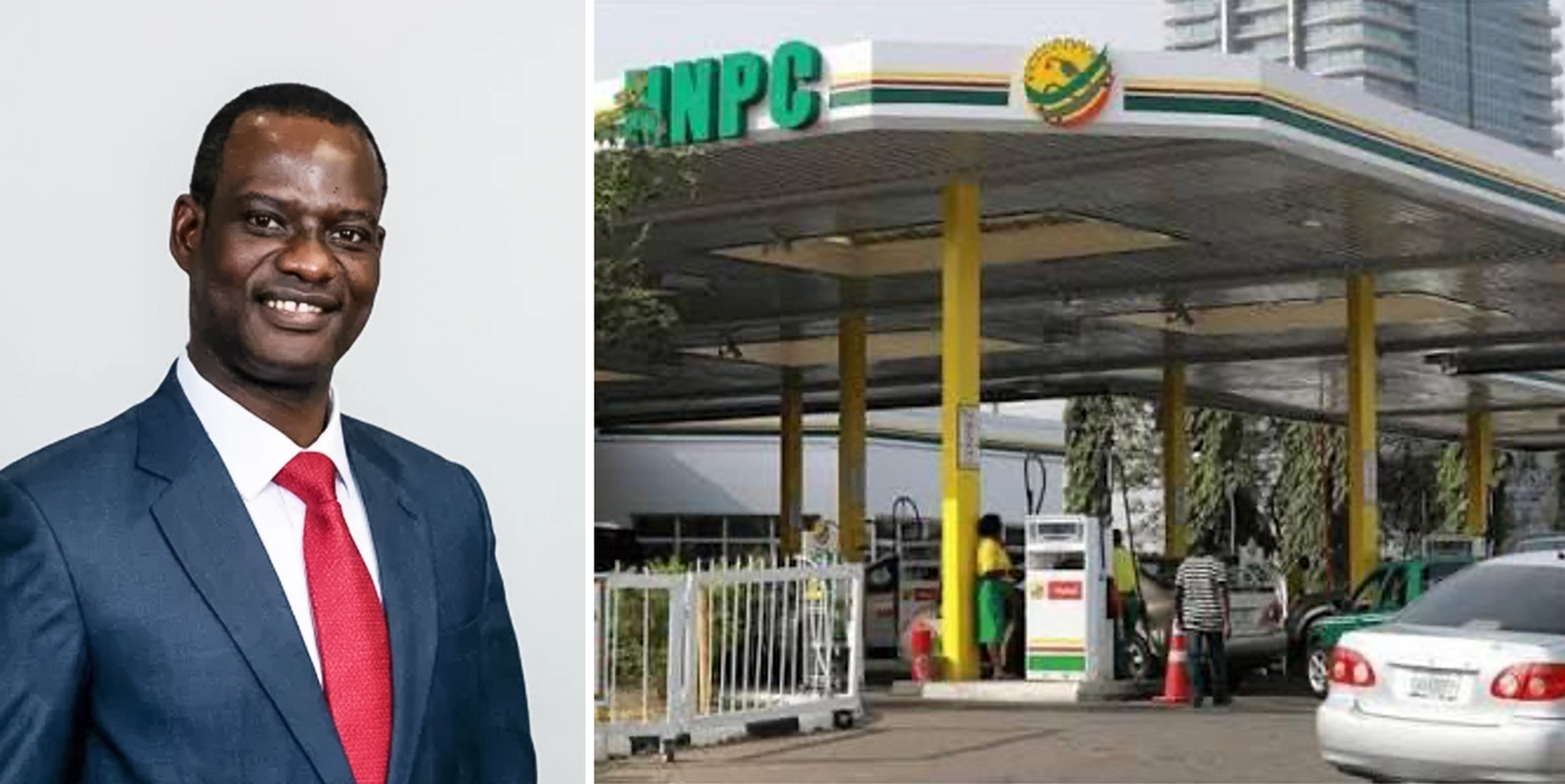
The Federal Government has announced a 30-day discount on petrol sold through Nigerian National Petroleum Company Limited (NNPCL) filling stations, with public transport operators to receive priority under the temporary intervention.
Minister of Finance and Coordinating Minister of the Economy, Taiwo Oyedele, announced the measure on Thursday, October 8, 2026, during a briefing in Abuja on rising petrol prices and the debate over fuel subsidy.
Oyedele said the arrangement was intended to provide immediate relief to Nigerians facing higher fuel and transportation costs, while stressing that it should not be interpreted as a return to the petrol subsidy regime abolished in 2023.
“We are offering a discount on petrol dispensed by NNPC Limited for the next 30 days in the first instance with priority for public transporters nationwide. So, it’s not a subsidy; government is just saying we sell to you at cost,” Oyedele said.
The minister did not announce a specific pump-price reduction for motorists under the 30-day arrangement. Instead, the government described the intervention as a margin discount through NNPCL stations, with commercial transport operators expected to receive priority.
The announcement comes as petrol prices remain elevated and continue to feed into transportation and other household costs. NNPCL’s latest reported prices include ₦1,355 per litre in Lagos and Rivers and ₦1,370 per litre in Abuja, although prices vary by location and market conditions.
The government is simultaneously pursuing a separate mechanism aimed at reducing volatility in petrol prices. Oyedele said the Federal Government was negotiating a ceiling of ₦1,350 per litre for the ex-gantry or landing cost of petrol, subject to monthly review.
The proposed ₦1,350 figure should not be confused with the retail price Nigerians will pay at filling stations. It refers to the cost of the product before other costs associated with getting petrol to consumers are added.
Under the proposed price-modulation arrangement, refiners and importers would absorb temporary increases when the cost of petrol rises above the agreed ceiling and recover the difference when market conditions improve. The government says the mechanism is designed to reduce sharp fluctuations rather than restore a blanket subsidy.
Oyedele said the government was taking the additional steps because existing interventions had not sufficiently shielded households and businesses from the effects of higher fuel and transportation costs.
The government is also considering forward sales of crude oil to domestic refineries as part of the wider response. The aim is to make crude supplies more predictable for local refiners and reduce the extent to which international oil-price movements are immediately reflected in domestic petrol prices.
Other measures announced alongside the petrol discount include efforts to remove illegal levies and road-use charges that increase transportation costs, expanded support for vulnerable households and additional credit support for small businesses.
The Federal Government also plans to accelerate the rollout of compressed natural gas for transport operators, while considering other measures intended to reduce the cost of moving people and goods across the country.
The temporary petrol discount is particularly significant for public transport operators because fuel costs have a direct effect on their operating expenses and, consequently, on fares paid by commuters.
However, the government has not yet provided full operational details on how the discount will be administered, the exact amount consumers will save per litre or how eligibility for priority treatment will be determined among public transport operators.
The intervention also comes amid renewed debate over whether Nigeria should reconsider aspects of its post-subsidy fuel-pricing policy. Oyedele has argued that returning to the previous subsidy model would place a substantial burden on government finances and could create additional pressure on the naira and foreign exchange market.
The government therefore maintains that the new measures are designed to provide targeted and temporary relief while avoiding a return to the previous subsidy structure.
The 30-day period will provide an early test of whether the NNPCL discount can translate into lower transportation costs for commuters and whether the broader price-modulation proposal can reduce the volatility that has characterised Nigeria’s downstream petroleum market since the removal of subsidy.
For consumers, the immediate issue will be whether the intervention results in a noticeable reduction in transport fares and petrol costs at NNPCL stations, particularly as the government works to implement the measure nationwide.