


From: Femi Mustapha in Kaduna
Traditional rulers, policy experts, and civil society leaders have expressed their support for establishing state policing in Nigeria, emphasizing that strong safeguards are essential to prevent abuse, political interference, and human rights violations.
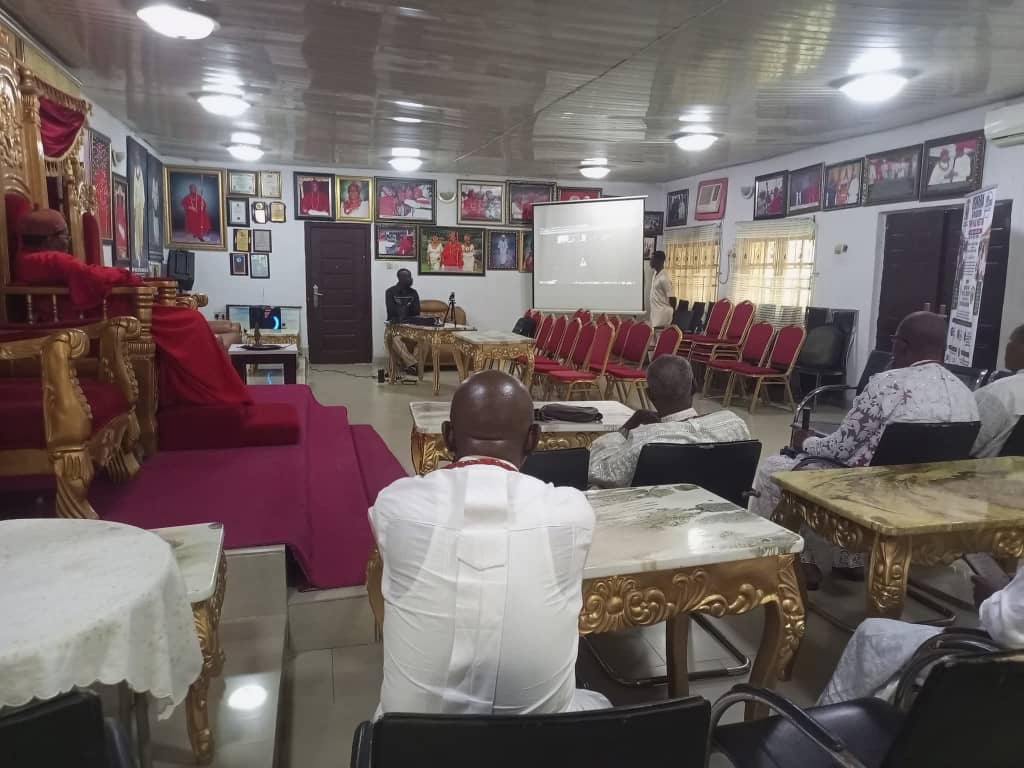
This stance was confirmed at the end of a Pre-Town Hall Webinar on Security and State Policing Reform, organized by the Palace of the Ovie of Oghara Kingdom in partnership with the Oghara Study Group.
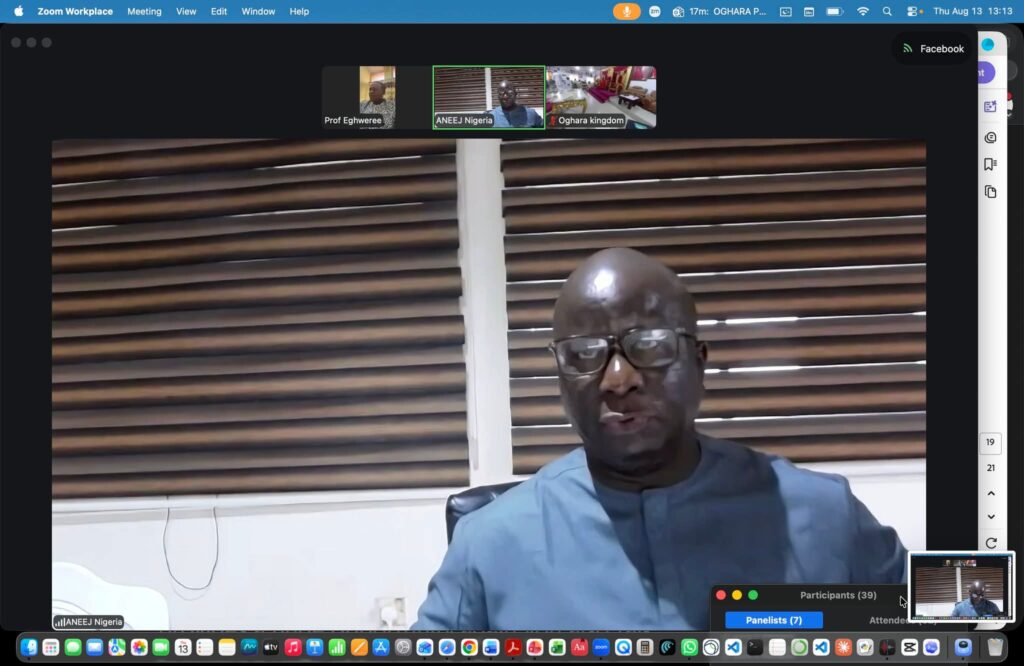
The virtual event, titled “From Community Crisis to National Reform: Rethinking State Policing through the Oghara Experience,” was moderated by Rev. David Ugolor, Co-convener of the Oghara Study Group. It gathered security experts, policy analysts, former Delta State Governor Chief James Ibori, civil society leaders, traditional institutions, and community stakeholders to discuss Nigeria’s security issues through the lens of Oghara Kingdom’s experiences.
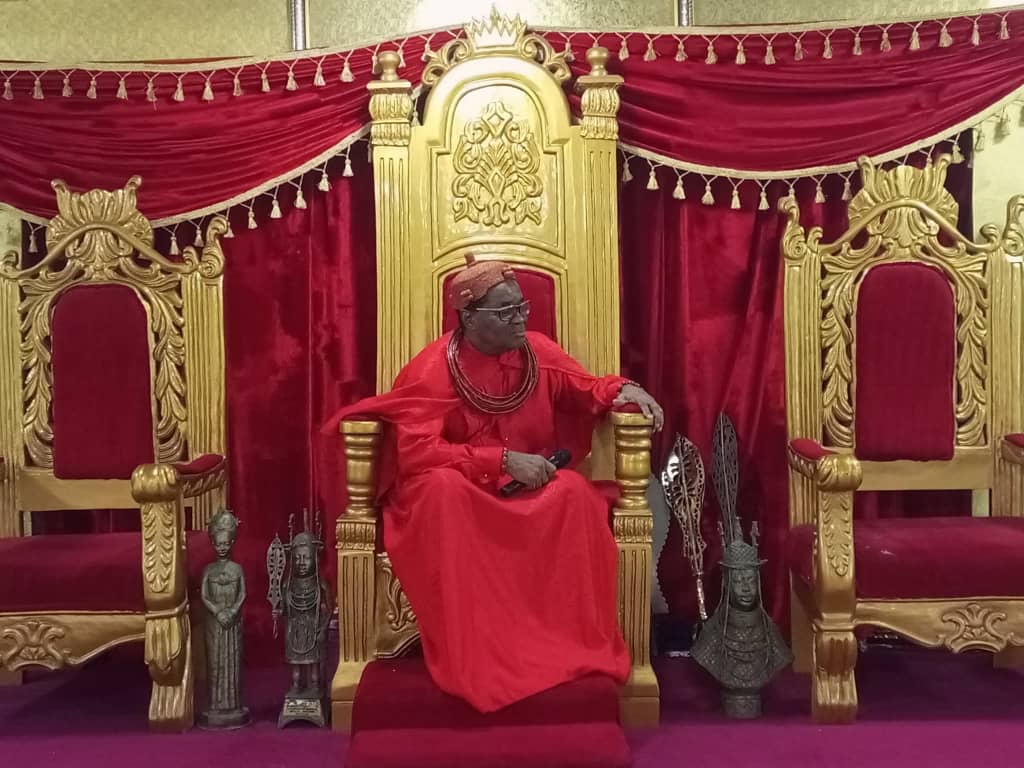
Opening the webinar, His Royal Majesty Noble Oyibo Eshemitan, Uku Oghara Namé, Orefe III, Ovie of Oghara Kingdom, stated that Nigeria’s security challenges require collective effort and a structured community response.
He expressed the Palace’s support for state policing and said the discussions would be summarized in an Oghara position paper to inform the national debate on police reform.
Participants identified key factors fueling insecurity, such as kidnapping, unemployment, drug abuse, attacks on farms and rural communities, poor police–community relations, and the limitations of Nigeria’s centralized police system.
While most agreed that state policing could enhance local intelligence and response times, speakers warned it must avoid repeating the failures of the current system.
Dr. Sonia Warner called for independent oversight bodies, citizen-focused and inclusive policing, and trust-building through regular community consultations and public opinion assessments.
Okechukwu Nwanguma highlighted the importance of constitutional safeguards to ensure neutrality and human rights protection, alongside an independent complaints and accountability system and direct community involvement in developing and overseeing reforms.
Dr. Uche Igwe advised policymakers to fix the weaknesses in the current police system, tailor new frameworks to local realities, and clearly define the roles of civil society and traditional institutions.
Olumayowa Olaniyi focused on prioritizing public legitimacy in policing, offering ongoing, decentralized, rights-based training for officers, and establishing a transparent, sustainable funding model.
Beyond individual presentations, the webinar produced several common recommendations, including explicit constitutional roles for federal and state police, professional recruitment processes, improved personnel welfare, responsible firearms management, transparent budgets, and robust judicial remedies for victims of misconduct.
For Oghara Kingdom specifically, stakeholders called for immediate measures to address kidnapping, stronger community intelligence networks, enhanced protection for farmers and rural residents, ongoing engagement with security agencies, and long-term investment in youth employment and development.
The organizers stated that the webinar’s resolutions will influence future discussions at the upcoming Oghara Town Hall Meeting and will contribute to the national effort to develop an effective, accountable, and trustworthy police system.