


By Femi Mustapha in Kaduna
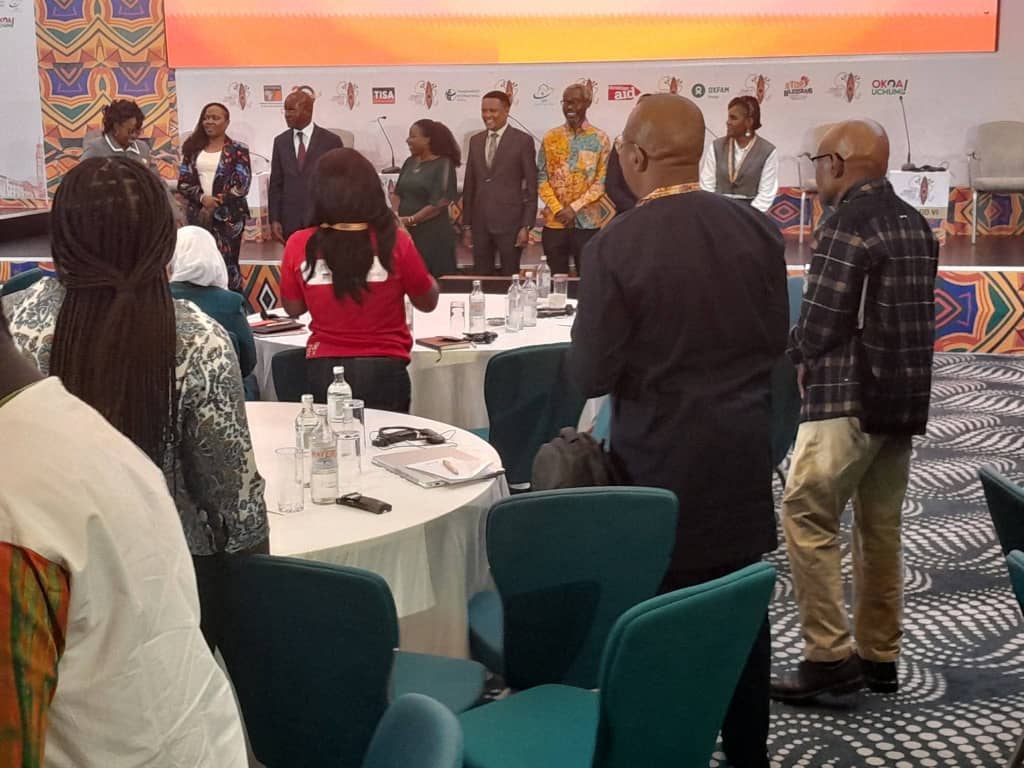
The sixth African Conference on Debt and Development, AfCoDD VI, opened in Nairobi, Kenya, on Monday with a strong call for African countries to rethink their approach to the continent’s growing debt crisis by focusing on economic sovereignty rather than repeated borrowing and restructuring.
This was contained in a statement made available to the media in Kaduna today
The statement stated that the Conference held from August 25 to 28, 2026, under the theme “From Fragmentation to Influence: Advancing the Common African Position on Debt,” has brought together government representatives, civil society organizations, private-sector actors, media, and other stakeholders from across Africa and the global community.
ANEEJ Deputy Executive Director, Atakpu Leo, participated in the conference alongside other African leaders and stakeholders to push for practical solutions that link debt management to development outcomes.
A major message from the opening session was that Africa’s debt crisis cannot be explained solely by fiscal indiscipline, corruption, and poor governance, nor only by an unfair global financial system. Delegates said both domestic and external factors are at play.
Delivering the Opa Kapijimpanga Lecture, Professor Horman Chitonge argued that the deeper challenge is Africa’s lack of economic sovereignty. He said that without control over key economic levers, African countries will continue to struggle with unsustainable debt regardless of relief measures.
The discussions highlighted four critical pillars of economic sovereignty needed to address the crisis: control over natural resources, monetary and fiscal autonomy, food and energy security, and strong domestic productive capacity.
Participants noted that Africa’s continued dependence on exporting raw commodities while importing higher-value goods, technology, and essential products leaves many countries vulnerable to external shocks, high borrowing costs, and persistent debt pressures.
The conference heard that this structural imbalance forces governments to borrow to fill budget gaps and import basic goods, creating a cycle in which new loans are used to service old ones rather than driving growth.
The message from AfCoDD VI is therefore clear: Africa must move beyond repeatedly restructuring debt and focus on making debt productive. Speakers urged countries to diversify their economies, add value to their natural resources, strengthen domestic institutions, and pursue collective African action to influence the global financial system.
Delegates stressed that debt itself is not the problem, but how it is contracted, managed, and invested. They called for greater transparency in loan agreements, better project selection, and mechanisms to ensure borrowed funds deliver measurable impact for citizens.
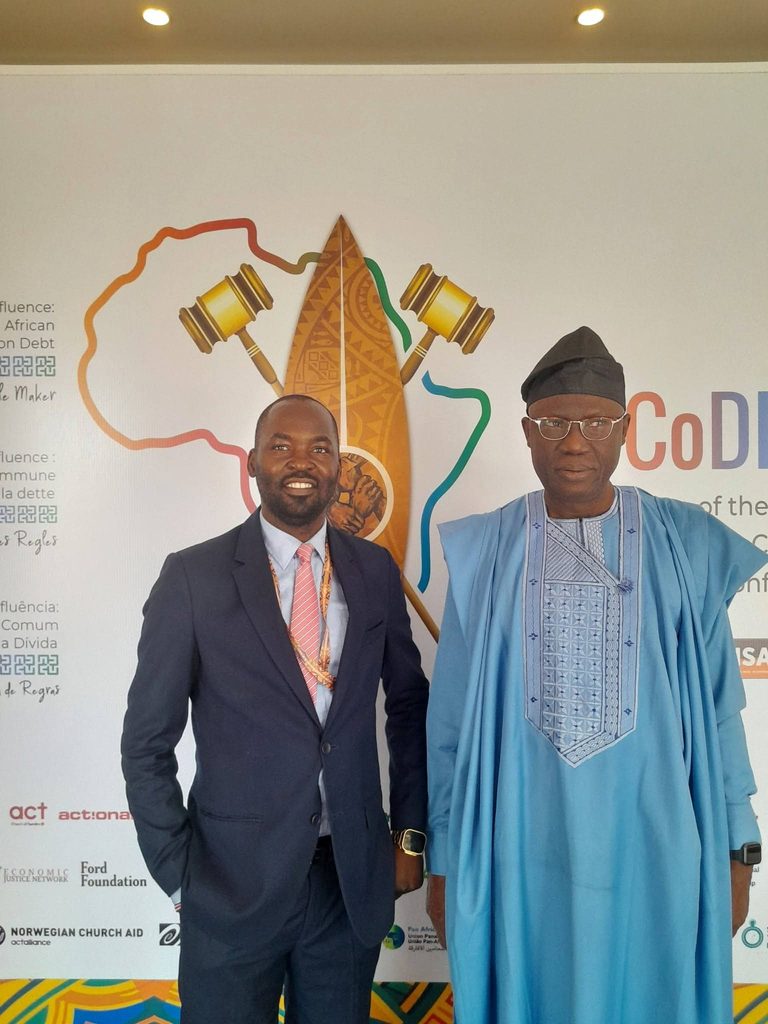
ANEEJ and other civil society groups at the meeting emphasized the need for citizen participation and oversight in debt processes, arguing that communities must be involved in deciding how loans are used and how repayments are prioritized.
The conference also called for African countries to speak with one voice in global financial negotiations to secure fairer lending terms, debt treatment, and representation in institutions that set the rules of international finance.
In his remarks, Prof. Chitonge said the real question is not simply how much Africa owes, but whether African countries have the economic sovereignty needed to use finance to drive sustainable development and structural transformation.
As AfCoDD VI continues in Nairobi, participants are expected to develop a draft Common African Position on Debt to shape the continent’s engagement with creditors, multilateral institutions, and development partners in the coming years.