


By: Femi Mustapha in Kaduna
Civil society and community accountability groups in Kaduna State received technical training to strengthen budget advocacy, expenditure tracking, and health sector performance monitoring.
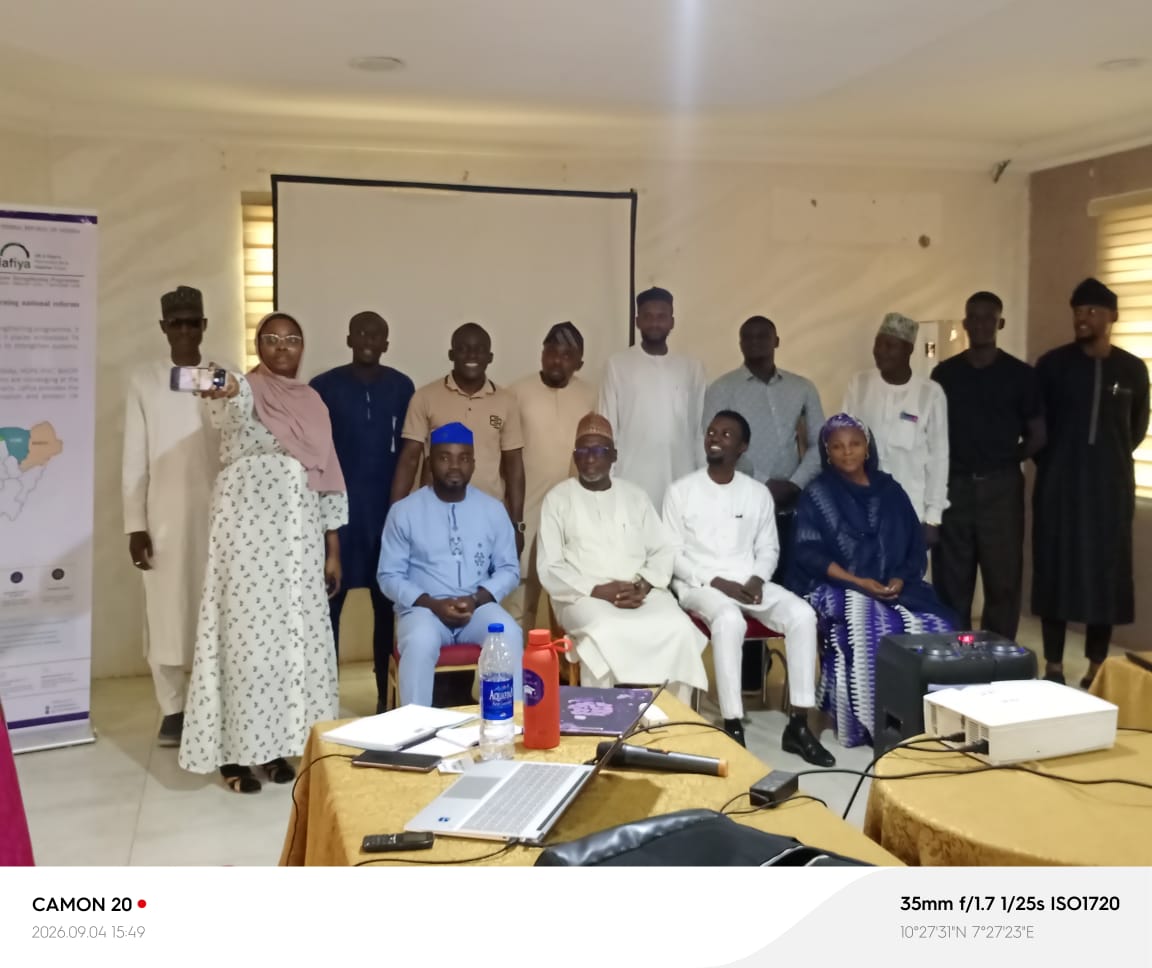
The capacity-building workshop was organized for members of Operational Governance Partnerships (OGPs) and State-LGA Accountability Mechanisms (SLAMs) by partners including the Lafiya program founded by FCDO, HSDF, and EngenderHealth.
Held in Kaduna, the training aimed to equip 25 OGPs and SLAMs with practical skills to engage in budget advocacy, monitor the implementation of health commitments, and promote evidence-based decision-making and accountability.
Declaring the workshop open, Chanan Solomon, LG Consultant for the Lafiya program, reaffirmed ongoing support for strengthening budget advocacy, expenditure tracking, and health sector performance monitoring in Kaduna State.
Mr. Solomon noted that the event was supported by the Lafiya program and funded by the UK’s Foreign, Commonwealth and Development Office (FCDO) and HSDF (EngenderHealth).
Facilitators guided participants through key topics including health budget analysis, evidence-based advocacy, and performance tracking. The agenda featured presentations on Kaduna State’s health budget performance by Femi Johnson of the Health & Education TWG, and on the health sector’s commitments and Annual Operational Plans by Luke Seth of the Open Budget TWG.
Sumayya Abdullahi of the OGP Social Protection TWG led a session on evidence-based budget advocacy strategies and messaging. At the same time, group activities focused on monitoring the implementation of approved budgets and health sector commitments.
Participants were also trained on “Advocacy Strategy and Tools: What Works in Advocacy – Tactics, Tools, and Timing.” The session defined advocacy as a strategic effort to influence decision-makers and effect policy or budget changes by connecting evidence to action.
Core elements discussed included identifying the problem, the desired change, decision-makers to target, the right messenger, and the optimal timing and medium. Participants learned about tools such as policy briefs, budget scorecards, town halls, media engagements, and coalitions.
The training linked advocacy tools to the four stages of the budget cycle: formulation, approval, implementation, and audit. Using the Community Development Charter (CDC) as a case study, facilitators demonstrated how participatory processes have influenced budgets at the LGA level in Kaduna through clear messaging, evidence-based advocacy, timely engagement, and collaboration with key actors.
Participants were also warned against common pitfalls such as too many asks, vague messages, poor timing, and lack of follow-up. They were introduced to the 4Ms Matrix of advocacy: Messenger, Message, Moment, and Medium, along with frameworks for monitoring advocacy success.
In his closing remarks, Luke Seth emphasized, “Advocacy is about timing, evidence, and influence. Use tools and lessons from this workshop. Focus. Plan. Partner.”
The workshop concluded with a call for OGP and SLAM members to apply their new skills to enhance citizen engagement in health governance and ensure accountability in the implementation of health sector commitments across Kaduna State.