



By: Femi Mustapha, Kaduna
Governor Uba Sani of Kaduna State says the late human rights lawyer, Chief Gani Fawehinmi, warned 26 years ago that failing to address educational backwardness in Northern Nigeria could “become a monster” — a warning he says remains highly relevant today.
The governor stated this in Kaduna during the public launch of a book titled ‘’ Gani Fawehinmi And Uba Sani, A Tale Of Mentor And Mentee.’’
Recalling the launch of the Gani Fawehinmi Scholarship Scheme for Northern Nigeria at Arewa House in 2000, Governor Sani said Fawehinmi challenged Northern leaders to confront the region’s educational crisis directly.
“He warned that if educational backwardness was not addressed, it could become a monster,” the governor said.
“That warning remains highly relevant. Many of the challenges currently facing Northern Nigeria are connected, directly or indirectly, to insufficient investment in human capital.”
Governor Sani revealed that he served as Northern Coordinator of the Gani Fawehinmi Scholarship Foundation at Fawehinmi’s request.
“I persuaded him to establish a major scholarship program for bright but impoverished university students in Northern Nigeria because educational deprivation was especially severe in our region at that time,” he said.
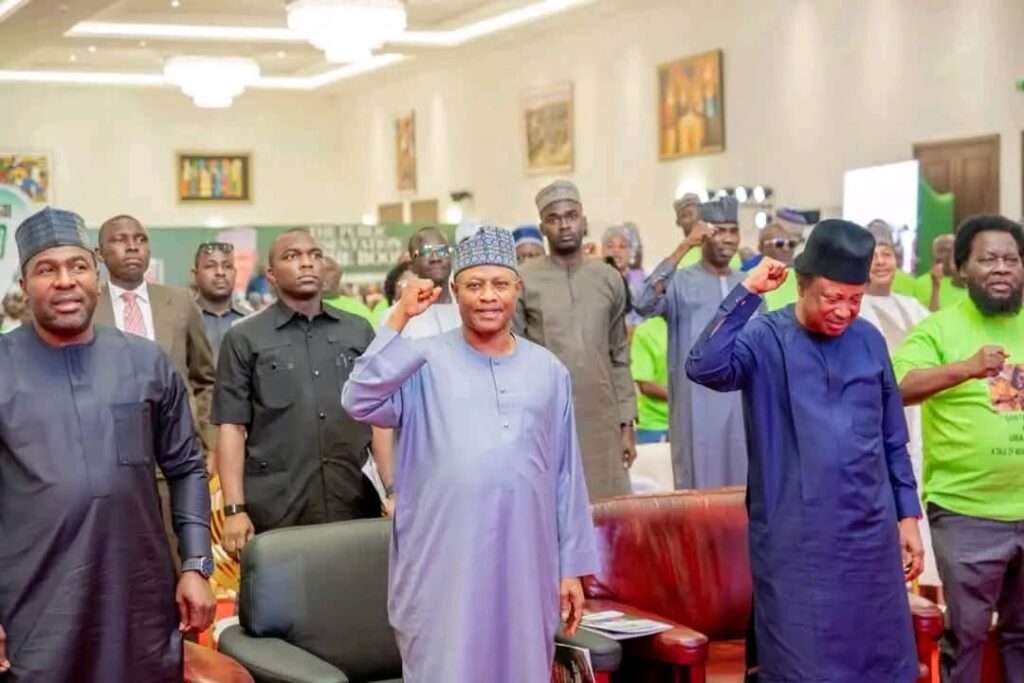
He explained that the program awarded scholarships to over 1,000 impoverished students across Northern Nigeria. Teams traveled to northern universities to identify deserving beneficiaries.
“Many of those beneficiaries have since become doctors, lawyers, academics, engineers, and professionals contributing meaningfully to national development,” he added.
The governor described Fawehinmi as more than a fighter for political freedom — “a profoundly committed pan-Nigerian who believed that Nigeria’s greatness depends on the development of every part of the country” and “the empowerment of every citizen, regardless of region, ethnicity, religion, or social standing.”
While the scholarship addressed education, Governor Sani said Fawehinmi’s most significant contribution to Nigeria was maintaining an open political space.
He recalled how Fawehinmi and Alhaji Balarabe Musa led a legal fight against INEC’s strict conditions for registering political associations.
The case lasted more than two years, culminating in a ruling by Justice Dahiru Mustapha of the Court of Appeal in 2002. INEC appealed to the Supreme Court, which ruled in its favor in January 2003.
“The verdict opened Nigeria’s political space and paved the way for the emergence of more political parties,” the governor said.
“Therefore, whenever we celebrate political diversity in Nigeria, when new parties emerge, and when citizens exercise their rights to organize politically, we should remember those who fought to make that space possible,” he added.
Governor Sani said Fawehinmi “used the law as a tool for liberation, defended ordinary citizens against arbitrary power, and contributed greatly to Nigeria’s struggle for democracy, accountability, and human dignity.”
He congratulated the author, Mrs. Basirat Fawehinmi-Biobaku, for documenting the mentorship.
“This is not just the story of a mentor and his mentee. It is a story about courage, democratic struggle, social justice, education, leadership, and the solemn duty of one generation to prepare the next for service,” he said.
The governor urged activists, politicians, and academics to consistently “remember the heroes and those who fought and risked their lives for us to have democracy in Nigeria.”
Also speaking at the event, Senator Shehu Sani, who represented Kaduna Central in the Senate, described Governor Uba Sani’s journey as one of transition from activism to politics.
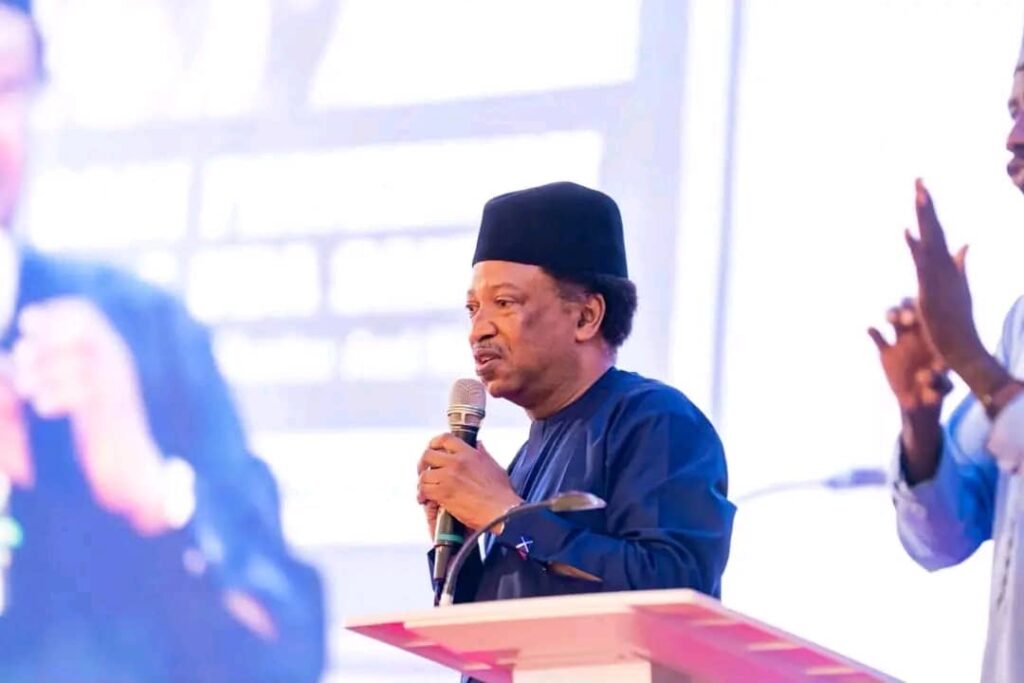
“Many of you from Kaduna State and, perhaps, in our own part of the country, knew Uba as a politician, as a governor, and as a leader. But before you knew him with all these titles, he was a great activist and a freedom fighter,” he said.
Senator Sani recalled that after the annulment of the June 12 election in 1993, Governor Sani mobilized the struggle in Northern Nigeria.
“He has been to Kaduna Prison; he has been to many police cells here in Kaduna for either speaking out or issuing statements. In those days, each time I was arrested, the first person they looked for was Uba Sani just to make sure that we are all silenced completely,” he said.
He added that Chief Fawehinmi was drawn to Governor Sani not because he was a lawyer or politician, but because “they shared the same ideals and principles.”
“The only person Gani has never fought with was Uba Sani. Sometimes, I had to agree to disagree with Gani, and Gani would shout at me, telling me, ‘It’s Uba that usually reconciled this situation, because we have a common goal to achieve,’” Senator Sani said.
He described the book launch as historic, noting it was the first time since 1999 that a sitting governor gathered frontline democracy activists to recognize their sacrifices.
“This democracy was not given to us as a gift by the military. This democracy was a product of struggle and sacrifice. Some people went to jail because of this democracy. Some people were killed because of this democracy,” he stated.
Senator Sani said the event was not just about presenting a book, but about celebrating the life of an icon and the solidarity between Governor Sani and Chief Fawehinmi.