


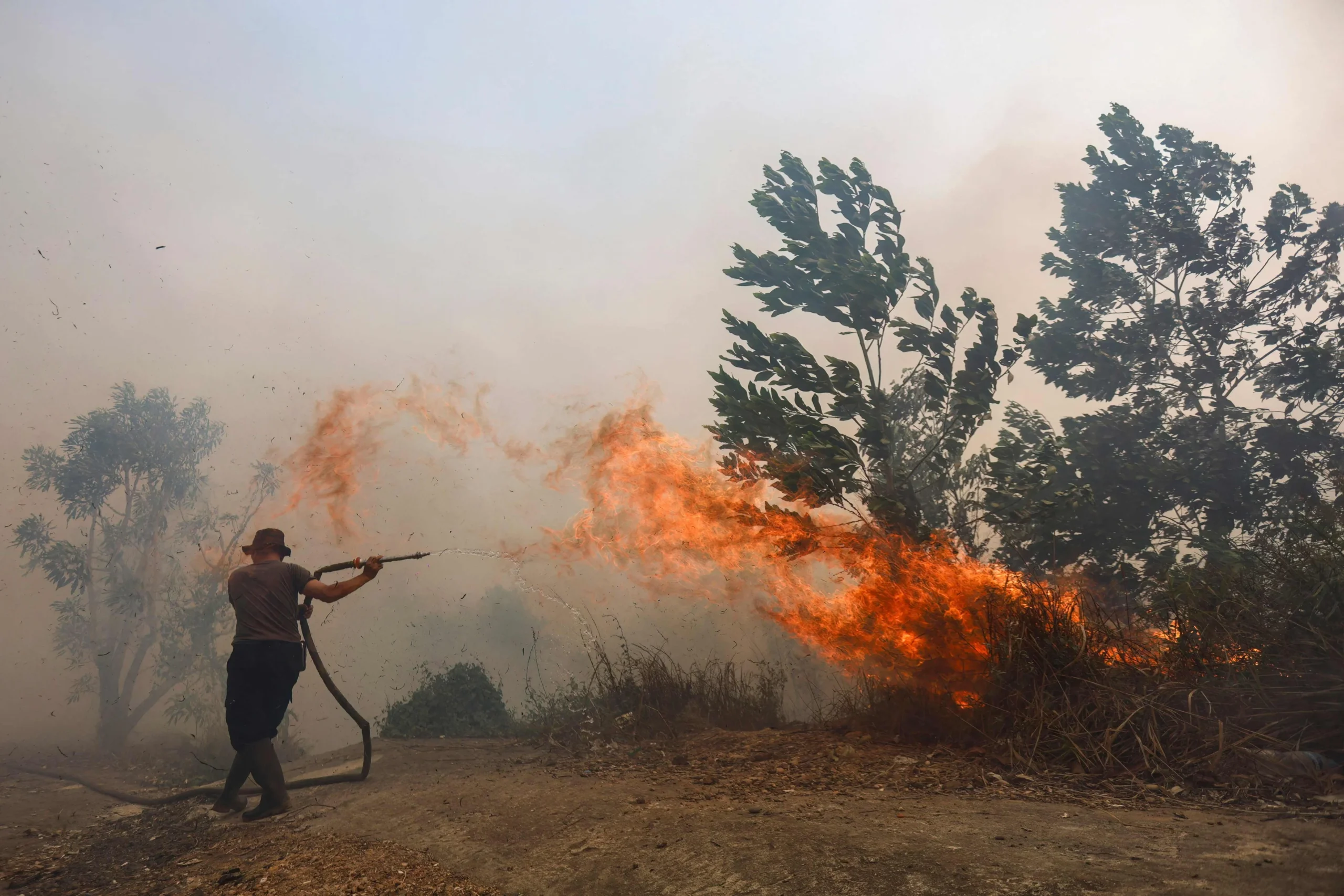
Indonesia’s worsening forest-fire crisis has intensified demands for companies linked to plantation and forestry operations to face greater scrutiny, as smoke spreads across Southeast Asia and governments, environmental groups and affected communities press for stronger enforcement.
The renewed calls come amid a severe dry season intensified by El Niño conditions, with fires burning across forests, peatlands and agricultural concessions. An October 22 report published stated that nearly two million hectares had burned, citing deforestation monitor Nusantara Atlas.
The crisis has raised questions about whether existing environmental laws are being enforced effectively and whether businesses are doing enough to prevent fires on land under their management.
Environmental group Wahana Lingkungan Hidup Indonesia (WALHI) has identified fire hotspots within plantation and forestry concessions, arguing that the pattern points to deeper problems involving land management, corporate practices and enforcement.
According to a report published by The Jakarta Post, WALHI used NASA fire data to map high-confidence hotspots and found that approximately half were located within concessions. Its October report ranked 40 timber and palm oil concessions by the number of hotspots detected. However, the presence of a hotspot within a concession does not, by itself, establish that the company operating the land deliberately started a fire or is legally responsible for it.
The Indonesian government has announced administrative sanctions against dozens of companies, while criminal proceedings have involved 125 individuals and corporate entities, according to the same report. Environmental campaigners have nevertheless questioned whether existing penalties are being fully enforced, citing cases in which previously sanctioned companies allegedly failed to pay fines or complete required forest restoration.
Pressure is also coming from neighbouring Singapore, which has issued preventive measure notices to 10 companies under its Transboundary Haze Pollution Act. The notices require the companies to take steps to extinguish or contain fires, prevent further burning and submit plans to prevent recurrence.
The notices are not findings of guilt. However, companies that fail to comply with applicable legal requirements could face further enforcement action, including prosecution and financial penalties.
The cross-border dimension of the crisis has also intensified scrutiny of corporate ownership, investment and supply chains. Plantation operators and forestry businesses may be connected to international investors, lenders and buyers, raising questions about the responsibilities of companies that finance or purchase products from areas affected by fires.
Researchers have argued that mapping these relationships can help the public and regulators examine corporate responses and identify where further investigation may be warranted. Such connections, however, do not automatically establish that an investor, lender or buyer caused or contributed to a particular fire.
The health and social consequences have added urgency to the calls for action. The fires have produced haze affecting Indonesia and neighbouring countries, including Singapore and Malaysia. Report published on October 23 said Indonesia’s Health Ministry had recorded more than 333,470 cases of acute respiratory illness across seven affected provinces since mid-August. The report also documented school closures and other disruptions linked to deteriorating air quality.
Environmental organisations are calling for stronger investigations, transparent disclosure of fire locations and concession ownership, effective penalties and restoration of damaged ecosystems. They also want authorities to address the underlying conditions that make forests and peatlands vulnerable to recurring fires, including land clearing practices and peatland drainage.
The immediate challenge for Indonesia and its regional partners is to turn these demands into consistent enforcement. That requires reliable evidence linking fires to specific activities, transparent investigations, due process and penalties that are actually implemented.
As the haze crisis continues, the debate is increasingly moving beyond emergency firefighting towards the responsibilities of companies, regulators and investors whose decisions may influence how land is managed. Whether the latest investigations result in enforceable penalties and meaningful restoration will be an important test of the region’s commitment to preventing another prolonged haze crisis.