


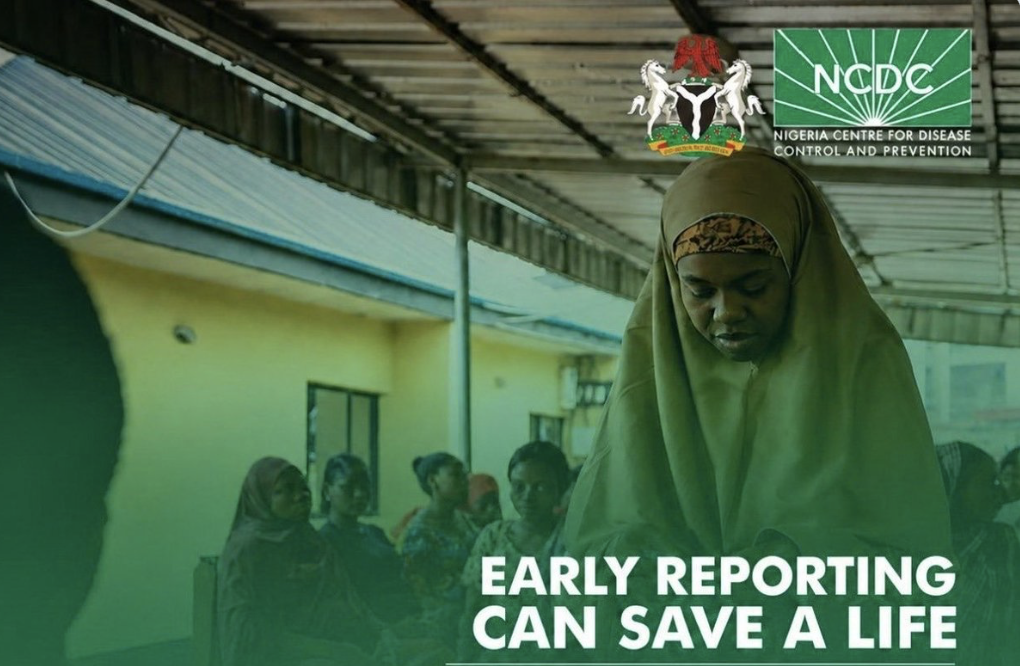
The Nigeria Centre for Disease Control and Prevention (NCDC) has urged Nigerians not to ignore persistent fever, particularly when symptoms do not improve after treatment for suspected malaria.
The agency issued the warning in a public health message on Tuesday, September 22, 2026, advising people whose fever persists despite malaria treatment to return promptly to a healthcare facility for further assessment.
The NCDC urged Nigerians not to wait until their condition becomes severe before seeking additional medical attention.
The warning comes as Nigeria prepares for the period when Lassa fever transmission typically increases, with the dry season expected to bring higher transmission between November and April. The NCDC has been urging states, healthcare facilities and communities to strengthen preparedness ahead of the seasonal peak.
Persistent fever may require further assessment
Lassa fever can initially resemble other common febrile illnesses, including malaria. The NCDC has previously advised healthcare workers to maintain a high level of suspicion where a patient’s fever does not respond to antimalarial treatment.
The agency’s latest message is therefore aimed at encouraging early presentation at healthcare facilities, rather than prolonged self-treatment.
Recent NCDC assessments identified delayed presentation and self-medication as some of the challenges affecting the management of Lassa fever. The agency has said that early recognition, testing and appropriate treatment can help improve outcomes.
NCDC urges Nigerians to remain vigilant
The latest advisory is part of a broader Lassa fever preparedness effort by the NCDC ahead of the 2026/2027 high-risk period.
The agency has developed an Accelerated Readiness Plan focused on early detection and reporting, faster investigation and laboratory testing, infection prevention and control, treatment-centre readiness and the availability of essential medical supplies.
The NCDC has also called for stronger environmental sanitation, appropriate food storage and measures to reduce exposure to rodents, which are associated with the transmission of Lassa fever.
According to the agency, Lassa fever occurs throughout the year but transmission generally increases during the dry season.
Nigerians advised to seek medical care
The NCDC’s latest message reinforces the importance of seeking professional medical attention when a fever persists rather than repeatedly treating the condition as malaria without further assessment.
The agency’s earlier public guidance states that Lassa fever is treatable and that early identification and treatment improve outcomes. Nigerians who develop persistent or concerning symptoms are therefore advised to seek care at a healthcare facility.
The NCDC also maintains its 6232 toll-free line for public health information and reporting of suspected cases.
The agency’s warning does not mean that persistent fever automatically indicates Lassa fever. Rather, it highlights the need for proper medical assessment when an illness does not improve as expected.