


By TheDailyNewsHub Reporter
Iran has urged the United States to accept its conditions for ending the ongoing war, saying it is prepared to reopen the strategically important Strait of Hormuz within two days if Washington agrees to a series of demands.
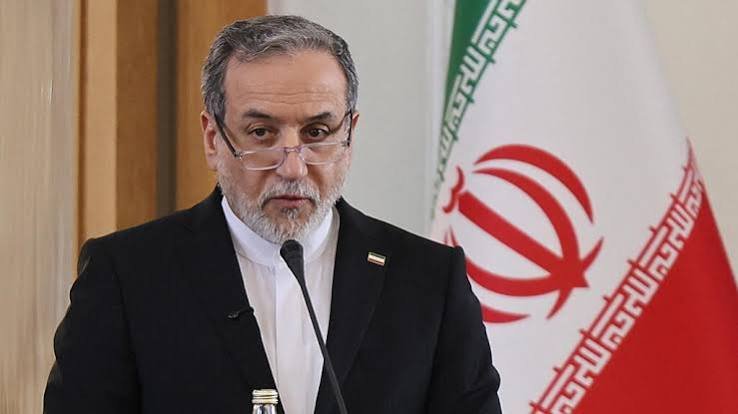
Iranian Foreign Minister Abbas Araghchi said on Tuesday, November 10, that military action and increased sanctions would not resolve the conflict, insisting that diplomacy remained the only viable route to an agreement.
Speaking to Iran’s state news agency IRNA, Araghchi said Tehran’s proposal remained on the table and called on Washington to address the conditions outlined in its two-day plan.
“The conflict with Iran will not be resolved through military means, nor by intensifying sanctions,” he said, adding that negotiations should be based on respect and engagement with Iran’s demands.
Under the proposal, Iran has indicated that it would reopen the Strait of Hormuz within 48 hours of an agreement. The conditions include ending the war on all fronts, unfreezing Iranian assets held abroad, lifting US oil sanctions and ending the American naval blockade of Iranian ports.
The Strait of Hormuz is a critical global energy route through which a significant share of the world’s oil and liquefied natural gas supplies normally passes. Its closure and disruption during the conflict have raised concerns about international energy supplies, shipping costs and inflation.
Iran’s position came after US President Donald Trump said there was “positive momentum” towards ending the eight-month conflict following a meeting with Qatar’s prime minister at the White House.
Trump said Washington would protect American interests but suggested that further US strikes against Iran were unlikely in the immediate future, citing the position of key Gulf allies.
Diplomatic efforts involving Qatar and Pakistan are underway to prevent a renewed escalation and secure an agreement between Washington and Tehran. Qatar has played a central role in facilitating communication between the two sides.
However, significant differences remain. Washington has insisted that Iran’s nuclear programme must be included in any initial negotiations, while Tehran has maintained that its conditions must be addressed before the Strait of Hormuz can be reopened and broader talks can proceed.
Iran’s security chief, Mohsen Rezaei, has also adopted a tougher position, urging Washington to accept Tehran’s demands and dismissing reports of ongoing negotiations as misleading. He said Iran was awaiting a clear response from the United States.
The conflict began in late February following US-Israeli strikes on Iran, which killed the country’s then Supreme Leader, Ayatollah Ali Khamenei. Iranian retaliation and subsequent military operations have widened the confrontation across the region.
The latest diplomatic developments come amid continuing concerns over the economic impact of the conflict, particularly on oil markets and international trade. TheDailyNewsHub previously reported on oil prices surging after Iran tightened its grip on the Strait of Hormuz.
For now, the prospect of reopening the waterway depends on whether Washington and Tehran can bridge their differences over sanctions, security arrangements, the naval blockade and Iran’s nuclear programme.