


A digital analytics group, MundX Analytics, has reported finding 17 voters listed under different names but sharing an identical photograph in the Independent National Electoral Commission’s (INEC) preliminary voter register in Imo State, raising fresh concerns about the accuracy of the register ahead of Nigeria’s 2027 general elections.
The group disclosed the finding in a video graphic published on Sunday, November 22, showing the same photograph appearing against 17 separate voter entries at Community School Ochicha, polling unit 16-08-11-003, in Nguogo/Ikembara Ward, Ikeduru Local Government Area of Imo State.
According to MundX, a pixel-by-pixel examination confirmed that the photographs attached to the 17 records were identical, despite the entries carrying different names.
The group said it used an automated script to identify the repeated images, arguing that artificial intelligence and machine learning could help detect suspicious registrations across polling units, wards and states without manually examining thousands of records.
Further details of its analysis were reported by the Foundation for Investigative Journalism (FIJ), which said MundX identified 42 voter entries associated with just four photographs across 22 polling units.
Beyond the 17 entries at Community School Ochicha, the analysis reportedly identified three additional groups involving 25 names. These entries were linked to three other photographs appearing across different polling units.
The findings add to concerns raised in recent weeks over questionable photographs, possible duplicate registrations and other irregularities in the preliminary voters’ register released by INEC.
INEC had earlier acknowledged concerns about irregular voter records, including photographs suspected to have been generated using artificial intelligence. The commission’s Director of Information and Communication Technology, Lawrence Bayode, disclosed that its Automated Biometric Identification System (ABIS) had flagged 268 records for further review.
Bayode said the commission was examining the flagged records as part of its efforts to clean up the preliminary register. INEC also clarified that not every photograph enhanced with artificial intelligence would automatically be removed, distinguishing between entirely AI-generated images and genuine photographs improved using digital tools.
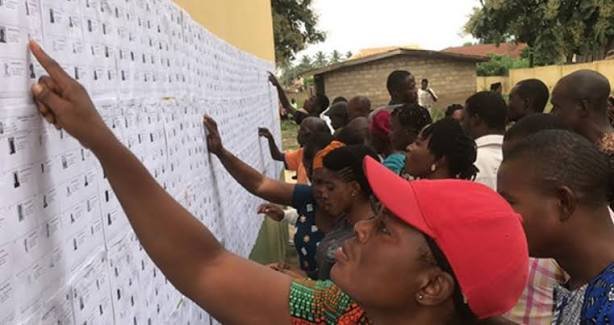
The commission has maintained that the online register is preliminary and that the public display, claims and objections process provides an opportunity to identify and correct inaccuracies before the final register is certified.
INEC is expected to complete its verification and data-cleaning process before certifying the final Register of Voters on December 15, 2026.
Although MundX’s findings raise questions about the integrity of the affected records, the appearance of identical photographs does not, on its own, establish that the individuals involved are fictitious or that electoral fraud has occurred. The entries require verification by INEC to establish how the repeated images came to be associated with different voter identities.
The latest findings have renewed calls for closer scrutiny of the voter register and transparent explanations from the electoral commission as preparations for the 2027 elections continue.