


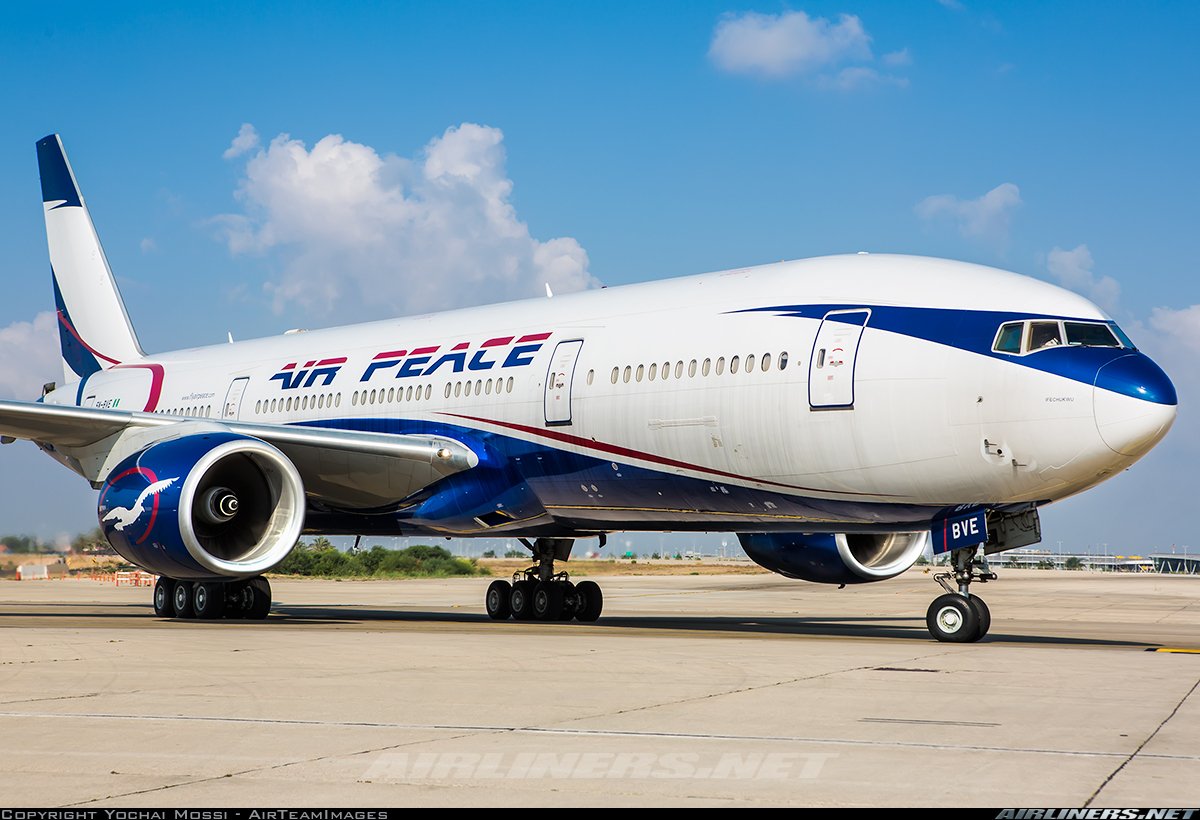
Air Peace has explained the flight disruptions experienced at the Nnamdi Azikiwe International Airport in Abuja, attributing the initial delays to a shortage of Jet A1 aviation fuel and a subsequent Abuja-Maiduguri cancellation to weather and operating restrictions at the destination airport.
The airline issued the clarification after videos and reports showing frustrated passengers circulated on social media, with travellers raising concerns over delayed and cancelled flights.
According to Air Peace, the initial disruption affected not only its operations but also other airlines operating from Abuja because of the unavailability of Jet A1, the aviation fuel used by commercial aircraft. The airline said operations resumed on affected flights after fuel became available.
Air Peace said the Abuja-Maiduguri service encountered a separate operational challenge after the fuel situation improved.
The airline explained that the Maiduguri airport control tower had initially granted an extension that would have allowed the aircraft to arrive after the normal operating window. However, when the airline was ready to board passengers, the tower informed it that prevailing conditions meant the airport had reverted to Visual Flight Rules and could no longer accommodate the flight beyond sunset.
As a result, the airline said the Abuja-Maiduguri service could not operate as scheduled.
Visual Flight Rules generally require aircraft to operate under specified conditions in which pilots can maintain visual reference, making weather and visibility important factors in determining whether a flight can safely proceed.
Air Peace said passengers affected by the disruption were kept informed and provided with refreshments while the situation was being addressed.
Following the cancellation of the Abuja-Maiduguri service, the airline said affected passengers were provided with hotel accommodation and arrangements were made for the flight to operate the following day. The carrier also apologised for the inconvenience caused to passengers.
The latest disruption comes amid wider concerns over flight delays and cancellations in Nigeria’s aviation sector. The Nigeria Civil Aviation Authority reported that domestic airlines recorded 4,765 delayed flights and 36 cancellations from 7,961 operations in August 2026. Air Peace subsequently disputed aspects of the regulator’s figures, saying its actual August flight volume was higher and that many disruptions were caused by factors outside the airline’s direct control.
The airline has previously identified several factors contributing to disruptions across its network, including aviation-fuel availability, adverse weather, technical issues, bird strikes and airport-related challenges.
In a separate recent statement, Air Peace said it had experienced disruptions resulting from an inadvertent false fire alarm, adverse weather conditions, a bird strike, technical checks and maintenance, as well as delays in the availability of aviation fuel in some cases. The airline said safety considerations take precedence over maintaining published schedules.
The Federal Government has also previously acknowledged challenges surrounding Jet A1 supply and pricing. In April 2026, the Ministry of Aviation and Aerospace Development held meetings with aviation and petroleum-sector stakeholders over rising Jet A1 costs and supply concerns affecting airline operations.
For passengers, the latest Abuja disruption highlights the impact that fuel availability and weather-related operating restrictions can have on domestic air travel. Air Peace said it regretted the inconvenience and reaffirmed its commitment to passenger safety and service reliability.