


From: Femi Mustapha in Kaduna
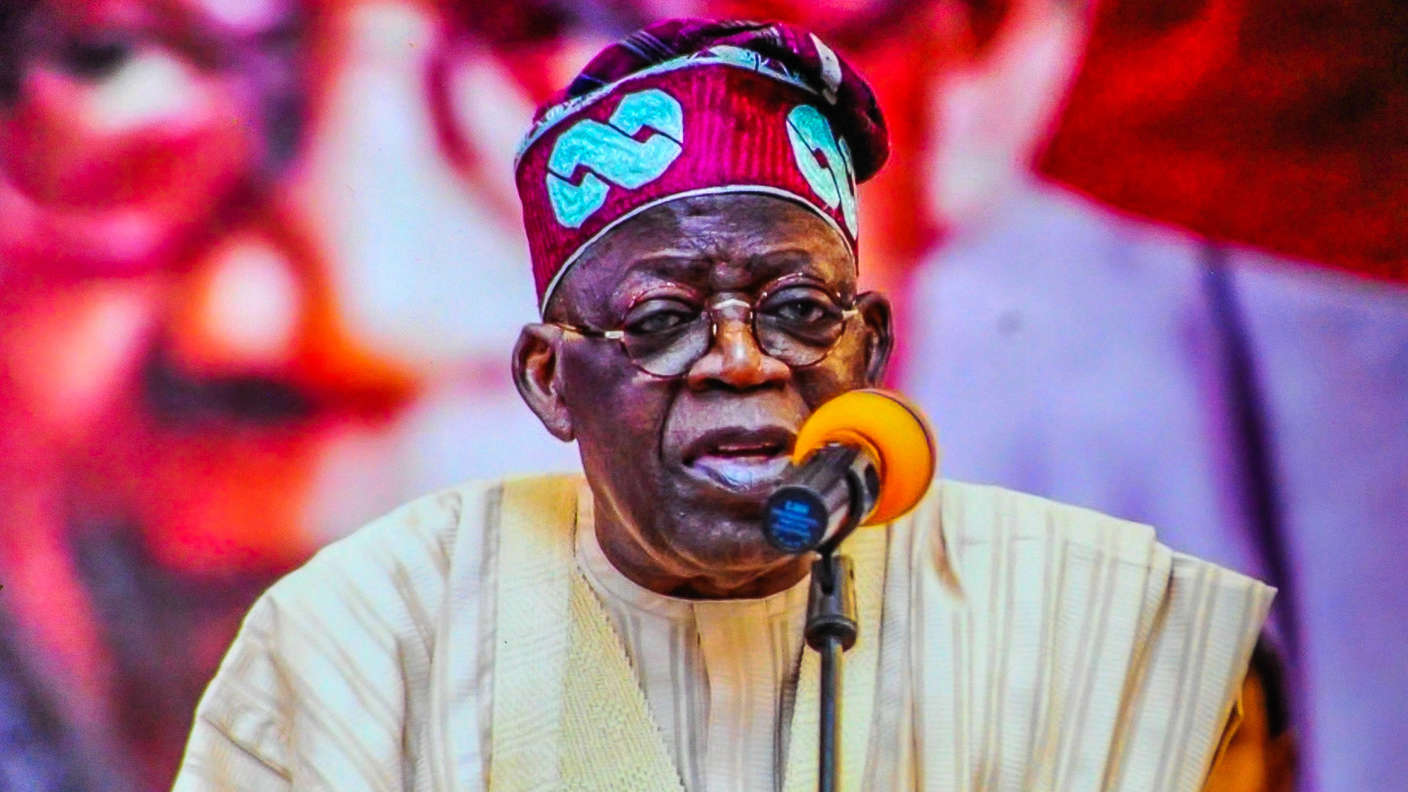
The Africa Network for Environment and Economic Justice (ANEEJ) has praised President Bola Ahmed Tinubu, GCFR, for instructing the Economic and Financial Crimes Commission (EFCC) to promptly seek the court’s approval to lift the freeze on the Osun State Government’s accounts.
In a statement issued on Thursday, the Network’s Executive Director, Rev. David Ugolor, made available to the media in Kaduna, said the President’s move shows an understanding of the need to balance anti-corruption efforts with the protection of democratic processes.
“The President’s move highlights awareness of the delicate balance between fighting corruption and safeguarding democratic institutions,” Rev. Ugolor said.
“By recognizing that the timing of the EFCC’s action, just days before the Osun governorship election, might appear politically motivated, President Tinubu has acted in the public interest and to uphold trust in Nigeria’s democracy.”
ANEEJ emphasized that the directive does not compromise the statutory independence of the EFCC or the broader anti-corruption efforts. Instead, it emphasizes that law enforcement agencies must operate professionally, impartially, and transparently.
A statement from the State House noted that President Tinubu acknowledged that anti-corruption bodies must perform their duties independently and free from political influence. However, he pointed out that acting so close to the election was untimely and could foster the impression that a federal body was meddling in the electoral process.
ANEEJ stated that the President’s decision conveys an important message to law enforcement and anti-corruption agencies: legality alone is not enough.
“Public institutions should be mindful of timing, perception, context, and the wider impact of their actions on public trust, democratic stability, and electoral integrity,” the organization said.
Rev. Ugolor added that although ANEEJ supports strong, independent, and well-funded anti-corruption agencies, they must also act in ways that boost public confidence, especially during sensitive election periods.
“The credibility of elections depends not only on the behavior of political actors but also on the neutrality, professionalism, and restraint of state institutions,” he said.
The group also noted the EFCC’s explanation that its actions relate to ongoing investigations into alleged financial misconduct involving the Osun State Government.
“While allegations of corruption, misappropriation of public funds, or misuse of resources must be thoroughly investigated lawfully, such investigations must be handled with utmost caution when they coincide with major elections,” Rev. Ugolor said.
“This directive should not be seen as a retreat from fighting corruption. Any legitimate inquiry can proceed at the proper time and in accordance with due process. The key is that anti-corruption efforts should not, whether intentionally or unintentionally, undermine the integrity, fairness, and credibility of the electoral process,” he added.
ANEEJ described the President’s intervention as a “positive outcome for democracy and accountability,” stating that it bolsters confidence in the upcoming Osun governorship election and reassures citizens that undue federal interference won’t overshadow the process.
The organization urged the EFCC and all anti-corruption agencies to continue executing their mandates professionally, independently, and in respect of the rule of law. It also called for the development of internal protocols for election periods to guide sensitive enforcement activities during electoral cycles.
As Nigeria advances its democracy, ANEEJ called on all public institutions to stay committed to political neutrality, transparency, constitutionalism, and due process.
The group also urged political parties, candidates, security agencies, the Independent National Electoral Commission (INEC), civil society, election observers, the media, and citizens to work collaboratively to ensure the Osun State governorship election is peaceful, credible, transparent, and truly reflective of the will of the people.
ANEEJ reaffirmed its dedication to fighting corruption and defending democratic accountability and independent, fair institutions that operate in the public’s best interest.