


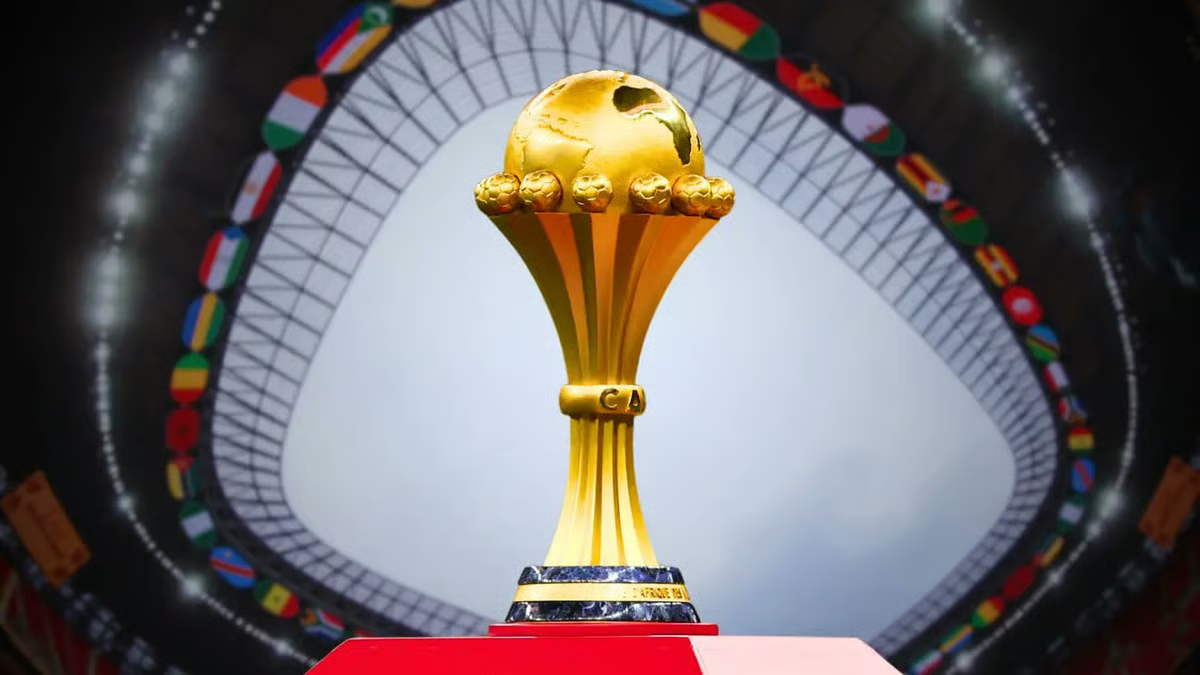
The Confederation of African Football (CAF) has reversed its decision to move the Africa Cup of Nations (AFCON) to a four-year cycle, restoring the competition’s traditional biennial format following a unanimous vote by its Executive Committee.
CAF announced the decision on Thursday, October 29, 2026, confirming that the continental tournament will once again take place every two years. The reversal comes less than a year after the governing body approved a restructuring plan that would have reduced the frequency of AFCON.
The earlier decision, announced in December 2025, was linked to plans to introduce a new Africa Nations League competition, which was expected to take place every two years and replace AFCON in that position on the continental football calendar.
However, CAF President Patrice Motsepe said the organisation had reconsidered the arrangement after recognising that the proposed Nations League would take several years to generate the financial resources required to support African football and make its competitions globally competitive and financially sustainable.
In its official announcement, CAF said the return to a two-year cycle was intended to protect and promote the interests of African football, its 54 member associations and African players employed by clubs outside the continent.
Motsepe explained that the governing body was concerned about the length of time required for the proposed Nations League to begin making substantial financial and developmental contributions to the sport. He said the Executive Committee considered the interests of African football and its member associations when reaching the decision.
The next AFCON will take place in 2027, with Kenya, Tanzania and Uganda serving as co-hosts. CAF has also confirmed that subsequent editions are scheduled for 2028, 2031 and 2033. There will be no tournament in 2030 because the FIFA World Cup is scheduled for that year, and CAF intends to avoid holding its flagship national team competition during the global tournament year.
The reversal restores a familiar structure to African international football after the proposed four-year cycle generated debate about the competition’s commercial value, sporting importance and role in supporting national football associations. The decision also comes amid continuing disputes surrounding the tournament, including the ongoing legal challenge over the 2025 AFCON final. In a separate development, Senegal is awaiting a Court of Arbitration for Sport ruling on its appeal against CAF’s decision to award Morocco the title.
AFCON remains one of the continent’s most prominent sporting events, attracting international audiences, commercial partnerships and significant interest from supporters across Africa and the diaspora. Its regular staging also provides opportunities for national teams to compete for continental honours and for host countries to showcase their infrastructure, tourism and cultural attractions.
Motsepe expressed confidence that the 2027 tournament in East Africa would be successful, describing AFCON as more than a football competition. He said the event also celebrates Africa’s diverse cultures, customs and traditions while bringing together people from the continent and around the world.
The decision represents a significant reversal of CAF’s competition restructuring plans. The governing body will now retain AFCON as its principal biennial national team tournament, while the future development and financial role of the proposed Africa Nations League remain important questions for African football.