


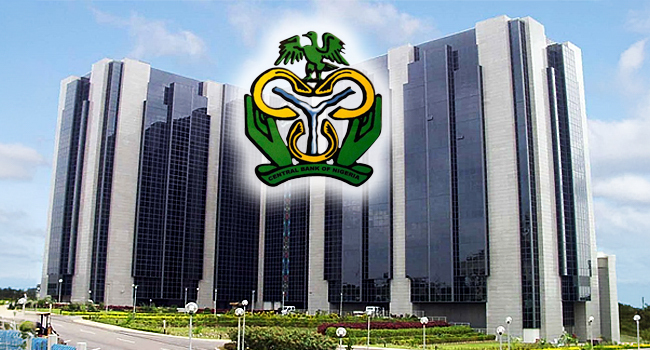
The Central Bank of Nigeria (CBN) has elevated terrorism financing supervision to a current supervisory priority, intensifying its oversight of banks and other financial institutions as part of efforts to prevent the country’s financial system from being exploited by illicit actors.
The apex bank disclosed this in a statement issued on Tuesday and signed by its Acting Director, Corporate Communications and Investor Relations Department, Hakama Sidi-Ali.
According to the CBN, the heightened supervisory focus will cover terrorism financing risk management, transaction monitoring, implementation of targeted financial sanctions and the reporting of suspicious transactions linked to terrorism financing.
“The Central Bank of Nigeria has elevated terrorism financing supervision to a current supervisory priority, as part of its ongoing commitment to protecting the Nigerian financial system from abuse by illicit actors,” the bank said.
Risk-based monitoring of financial institutions
The CBN said it would continue to apply a risk-based supervisory approach, including both on-site and off-site engagements, to strengthen anti-money laundering, counter-financing of terrorism and counter-proliferation financing controls across the financial sector.
The measures, it said, would be implemented in line with existing legal and regulatory obligations.
The regulator added that the enhanced supervision would also support Nigeria’s domestic and international cooperation on counter-terrorism financing, counter-proliferation financing and broader efforts to strengthen financial integrity and protect the financial system.
The CBN said further supervisory engagements would be undertaken where necessary.
Earlier directive on terrorism financing
The latest announcement follows measures taken by the CBN earlier this year concerning individuals and entities designated for terrorism and terrorism financing.
In June, the apex bank directed banks and other financial institutions to freeze accounts and assets belonging to customers designated under relevant terrorism-financing sanctions.
The directive followed sanctions issued by Nigerian authorities and the United States Department of the Treasury’s Office of Foreign Assets Control (OFAC).
The CBN’s latest position signals increased regulatory attention on how financial institutions identify, monitor and report transactions that could expose Nigeria’s financial system to terrorism-financing risks.
Focus on financial system integrity
Terrorism financing supervision forms part of the broader anti-money laundering and counter-terrorism financing framework designed to prevent financial institutions from being used to move or conceal funds connected to illicit activities.
The CBN’s emphasis on transaction monitoring, suspicious transaction reporting and targeted financial sanctions places greater responsibility on regulated institutions to maintain effective compliance systems and respond appropriately to identified risks.
The regulator said the enhanced oversight is intended to strengthen the resilience and integrity of Nigeria’s financial system while supporting national and international efforts to combat terrorism financing.