


By TheDailyNewsHub Reporter
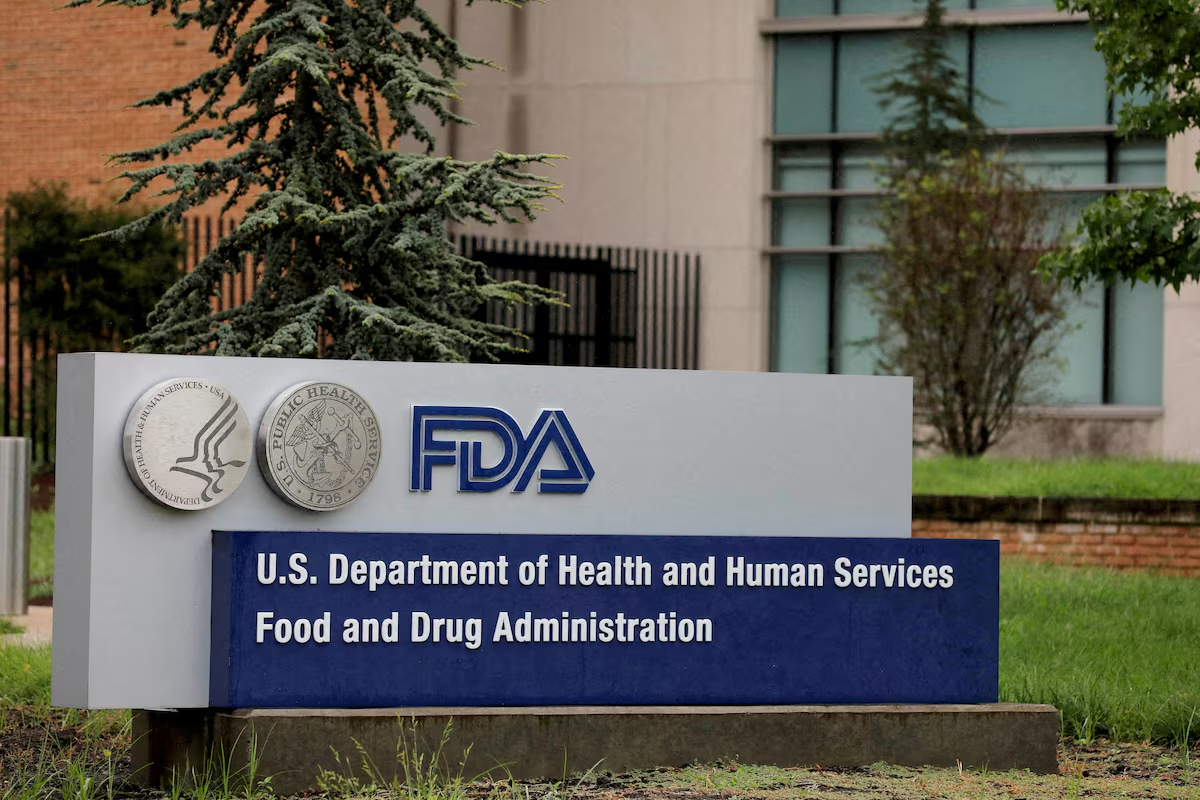
The United States Food and Drug Administration (FDA) has granted tentative approval to the first generic version of lenacapavir, a long-acting HIV prevention injection expected to cost just $40 per person annually in 120 low- and middle-income countries.
The generic drug, developed by India’s Dr. Reddy’s Laboratories, offers an affordable alternative to Gilead Sciences’ branded HIV prevention injection, Yeztugo, which is administered twice a year.
The announcement was made on Monday, November 2, 2026, by the Clinton Health Access Initiative (CHAI) and other organisations supporting the development of the generic medication.
According to the organisations, the $40 annual price is expected to make the injection available at a cost comparable to existing daily oral HIV prevention pills.
Lenacapavir has demonstrated almost 100 per cent effectiveness in major clinical trials involving people at risk of HIV infection, offering an alternative to taking preventive medication every day.
The generic approval was made possible through collaboration involving Unitaid, CHAI, the Wits Reproductive Health and HIV Institute, and Dr. Reddy’s, alongside a voluntary licensing agreement with Gilead Sciences.
However, the FDA’s tentative approval does not mean the generic can immediately be sold in the United States, where Gilead’s branded product remains protected by patent restrictions.
Initial supplies are expected to reach some eligible countries before the end of 2026, with broader availability anticipated in 2027, subject to national regulatory approvals.
The development could significantly improve HIV prevention across Africa, where access to affordable and convenient preventive medication remains an important public health priority.
Health organisations have, however, cautioned that affordability alone will not guarantee access, stressing the need for adequate funding, healthcare infrastructure and community awareness to support distribution.
People must also test negative for HIV before starting the injections and undergo testing before subsequent doses to reduce the risk of drug resistance associated with administering the medication to someone with an undiagnosed infection.