


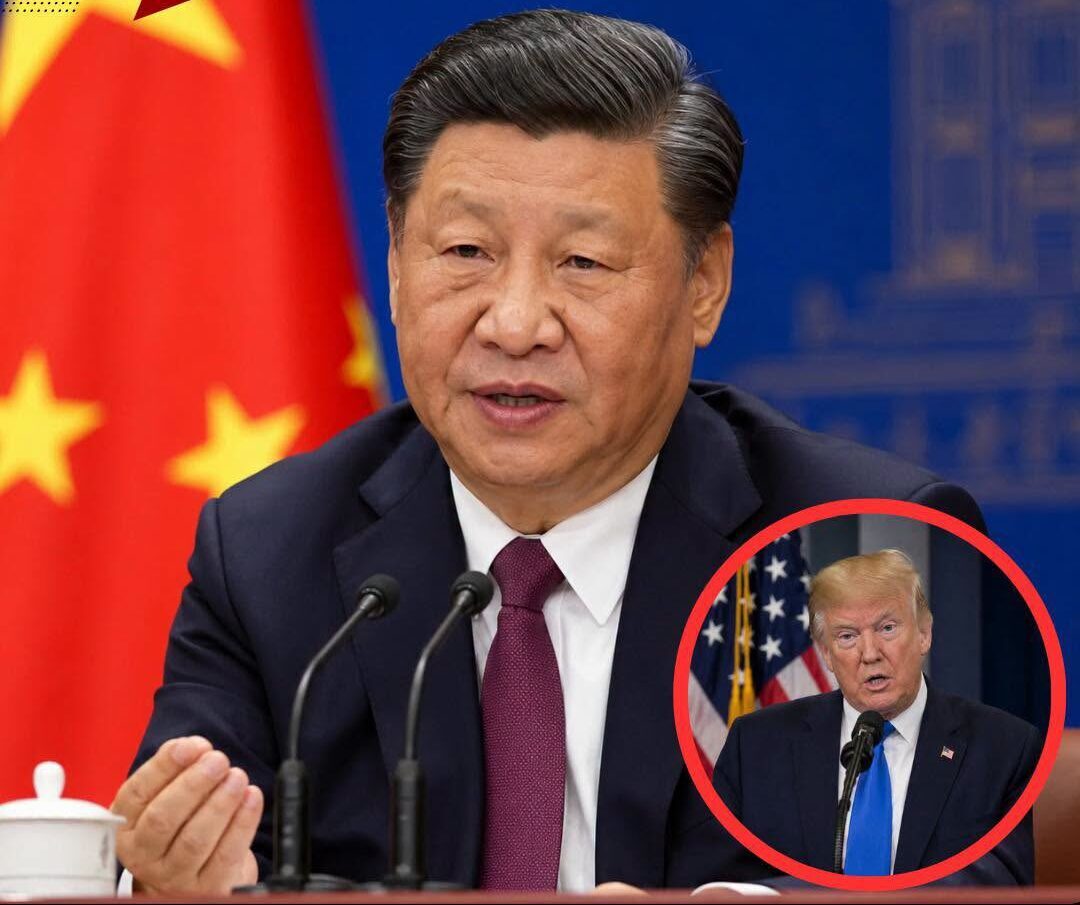
China has delivered a strong message to Washington: the global system is changing, and the world will continue to move forward even without U.S. cooperation.
For decades, the United States has been at the centre of global affairs, shaping international politics, trade, finance, and security. However, China argues that the era of unquestioned American dominance is gradually giving way to a more multipolar world where multiple powers are demanding a greater role in shaping global decisions.
The message reflects a growing shift in international relations, as emerging economies strengthen new alliances, expand economic partnerships, and seek alternatives to systems historically influenced by Washington.
Across Asia, Africa, Latin America, and the Middle East, countries are increasingly pursuing independent foreign and economic policies, deepening regional cooperation, exploring new trade arrangements, and reducing reliance on traditional global structures dominated by the United States.
While the U.S. remains one of the world’s most powerful nations, China’s argument is that global influence is no longer guaranteed and must be maintained through cooperation, adaptation, and engagement with a changing international landscape.
“The world does not stop moving because one country chooses not to participate,” is the message behind Beijing’s position — a reflection of its belief that global power is becoming more distributed.
China’s growing influence through trade, investment, infrastructure development, and diplomatic partnerships has positioned it as a major challenger to the long-standing Western-led international order.
However, analysts note that the United States continues to maintain significant advantages, including its economic strength, military capability, technological leadership, and network of global alliances.
The emerging contest between Washington and Beijing is therefore not simply about two countries competing for influence, but about the future direction of the global order.
The question facing the world is whether the United States will successfully adapt to a more balanced international system or whether rising powers will continue building a new global framework where American influence is no longer the defining force.
Is the era of American global dominance coming to an end, or is the world simply entering a new phase of competition among major powers?