


From: Femi Mustapha in Kaduna
The Kaduna State Government has presented its 2026 half-year budget performance and the draft 2027–2029 Medium-Term Expenditure Framework (MTEF) to civil society organizations to promote transparency and encourage citizen participation in the budget process.
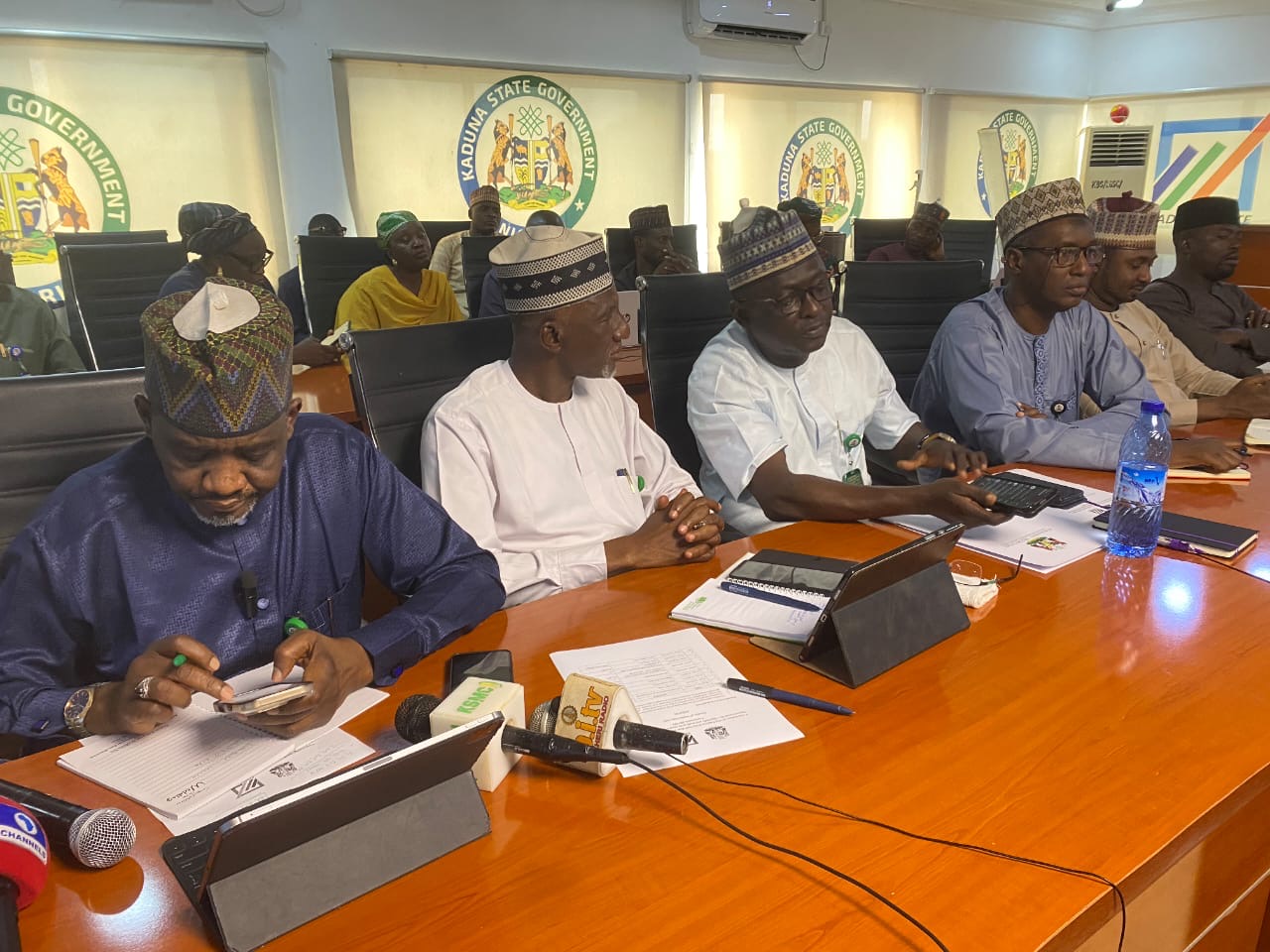
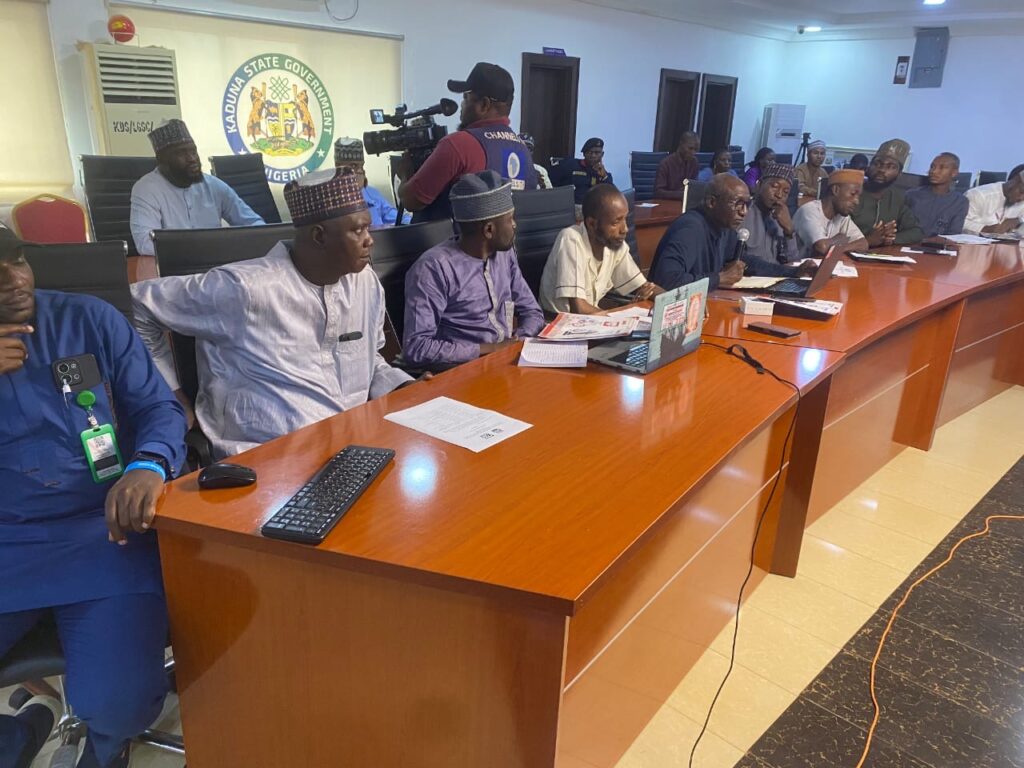
The engagement, organized by the Kaduna State Planning and Budget Commission, gathered over 25 civil society organizations and government officials to review how public funds were used in the first half of 2026 and to set assumptions for the 2027 budget.
Speaking at the event, the Commissioner of the Planning and Budget Commission, Mukhtar Ahmed, described the presentation as an annual statutory obligation required by the Nigerian Constitution.
“This is a ritual that we do every year, which is a presentation of the Medium-Term Expenditure Framework,” he said. “It is a requirement of the law that you present to the public the assumptions that you are going to base the preparation of the budget of the incoming year on.”
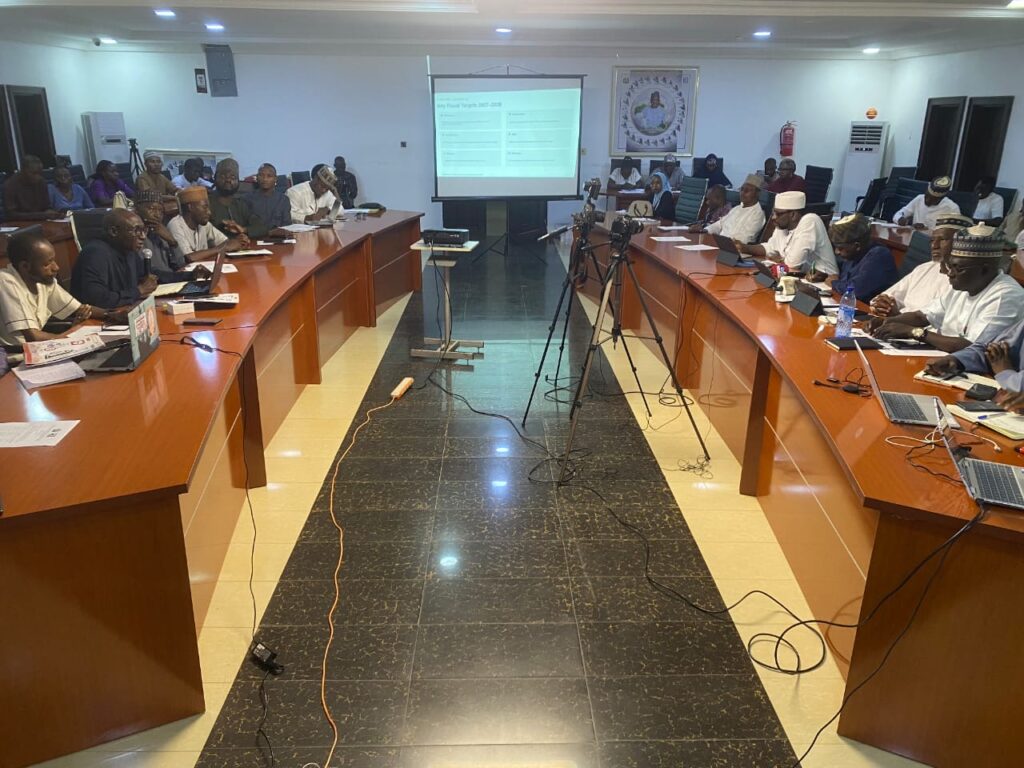
Mr. Ahmed explained that the Commission selected civil society organizations as the main audience because they represent the broader interests of citizens and residents of the state.
“The better platform for you to do this presentation is to the civil society organizations and other interest groups who represent the whole citizens of the state,” he stated.
He also noted that the meeting provided an opportunity to review the performance of the 2026 budget for the first half of the year and gather feedback from stakeholders.
“We really took time to interact with them to present the MTEF, and at the same time to present the performance of the budget. We are happy with the interactions because they have asked the relevant questions,” he said.
According to the Commission’s report, Kaduna recorded a total revised budget of ₦985.92 billion for 2026, with ₦674.37 billion allocated for capital expenditure and ₦311.54 billion for recurrent expenditure.
The four priority sectors Education, Health, Agriculture, and Public Works account for about 65% of total expenditure.
“The H1 2026 performance snapshot showed that total revenue, including the opening balance, stood at ₦370.57 billion, representing 37.6% of the annual target, while total expenditure was ₦234.59 billion, or 23.8%. The opening balance alone was ₦167.63 billion, which was 116.2% of the budget.
“FAAC and IGR largely drove revenue performance. By mid-year, FAAC receipts were ₦123.16 billion against a budget of ₦472.14 billion, while IGR performed better at ₦55.15 billion against a budget of ₦ 17.79 billion, representing 46.8%. Capital receipts, however, lagged, with only ₦12.82 billion drawn down in Q2 against an annual budget of ₦251.74 billion.”
Regarding expenditure, he explained that recurrent spending amounted to ₦ 115. 77 billion, representing 37. 2% of the budget, while capital expenditure was ₦118.82 82 billion, or 17.6%. The Commission noted that 92% of Q 2 capital spending was focused on the Economic and Social Sectors to complete ongoing infrastructure projects across the three senatorial zones.
Sectoral performance showed mixed results. Education spent ₦ 38. 73 billion out of a ₦ 219. 22 billion budget; Health used ₦ 18. 68 billion out of ₦ 121. 90 billion, and Agriculture recorded ₦ 25. 73 billion out of ₦ 108. 19 billion. All three were below the government- wide average of 23. 8%, indicating the need for faster releases in the second half.
Mr. Ahmed expressed satisfaction with input from CSOs, saying the feedback would help the government make necessary adjustments.
“Very much satisfied with the input, because you don’t know it alone; no man is an island. Always, this type of interaction increases, and it allows you to do better for the people of Kaduna State,” he said.
He linked the engagement to Governor Uba Sani’s campaign promise to foster citizen engagement.
“His Excellency the Governor, Malam Uba Sani, CON, made one promise, which is to engage with the civil society and the citizens of Kaduna in every decision that he is going to make in the state. So we are practicalizing that one now,” the Commissioner added.
The CSOs, in their remarks delivered by Abdulazeez Is of the OGP Technical Working Group on Strengthening Participatory Budgeting, praised the government for the platform and reaffirmed their commitment to accountability.
“We consider this engagement a very important platform for strengthening transparency, accountability and citizen participation. A budget is not merely a financial document; it is a reflection of government priorities,” he said.
The CSOs called for open, evidence-based discussions on areas where implementation can be improved and urged the government to ensure that resources deliver greater impact for citizens at the grassroots level.
Looking ahead, the 2027–2029 MTEF projects total revenue and expenditure of ₦761 billion in 2027, increasing to ₦876 billion in 2029. Key assumptions include a nationwide inflation rate dropping to 12% by 2029, an oil benchmark of $70 per barrel, and an exchange rate of ₦400 per $1. The framework sets fiscal targets of 25% for Education, 15% for Health, and 10% for Agriculture, while maintaining a 60% capital-to-40 rent ratio.
In closing, Mr. Ahmed urged CSOs to bring the budget information back to their communities.
“That is the duty of the civil society organizations, because if they come out to represent them, the most important thing is that after this sitting, they should go back and inform them of the workings of the government, especially as it concerns the budget and the performance of the budget itself,” he said.