


Singapore is stepping up efforts to encourage families to have more children, unveiling expanded financial, housing, childcare and parental support as the city-state grapples with a persistently low birth rate and an ageing population.
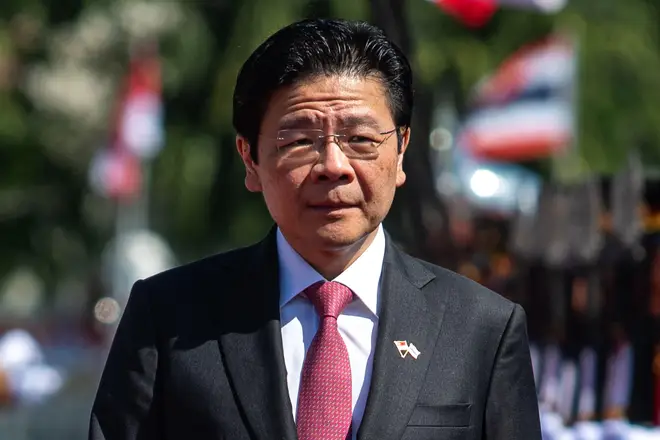
Prime Minister Lawrence Wong announced a new package of measures during Singapore’s 2026 National Day Rally, aimed at reducing some of the financial and practical pressures associated with raising children.
The government’s latest initiative, known as the SG Child Support Package, will provide significantly increased support to families, with government assistance expected to amount to almost S$70,000 per Singaporean child over the course of childhood when the different components are combined.
The package is scheduled to apply to children born from April 1, 2027.
Under the new arrangement, families will receive a S$10,000 Baby Gift, paid in two instalments during a child’s first year. The package will also include a S$5,000 MediSave grant and an initial S$5,000 contribution to the Child Development Account, with additional government matching available for parents’ savings.
Financial assistance will continue as children grow. The government plans to provide S$2,000 in annual Child Credits from age one through 16, alongside education-related assistance and a further S$10,000 top-up to the Post-Secondary Education Account when the child turns 17.
Housing support for families
Singapore is also linking its population strategy to housing, one of the major considerations for couples deciding whether to have children.
The government plans to increase household income ceilings for access to subsidised public housing and provide families with children additional chances when applying for new flats.
First-time families will receive an additional ballot chance for each child they have or are expecting, potentially improving their prospects of securing a home.
Further assistance is also being considered for families with three or more children.
More support for working parents
The measures extend beyond direct financial assistance.
Singapore plans to strengthen childcare and caregiving support while giving working parents more protected time to care for their children through enhanced childcare leave arrangements.
The government hopes that making it easier for parents to balance employment, housing and childcare will encourage more couples to consider having children.
Singapore’s fertility challenge
The measures come as Singapore faces one of the world’s lowest fertility rates.
The country’s total fertility rate has fallen to around 0.87 children per woman, significantly below the replacement level of approximately 2.1.
The decline has become a major demographic concern for the Singaporean government, with a growing elderly population and a shrinking proportion of people in their prime working years.
Singapore has introduced several incentives over the years, including the Baby Bonus scheme, parental leave and subsidised childcare. However, the government has acknowledged that financial incentives alone cannot fully determine whether couples choose to marry or have children.
Decisions about parenthood are also influenced by factors such as housing costs, career pressures, childcare responsibilities and changing social attitudes.
The latest package therefore represents a broader effort to make raising children more financially manageable while creating conditions that the government hopes will make parenthood more attractive.
For Singapore, the challenge is no longer simply encouraging people to have children but creating an environment where couples feel they can afford to start and raise larger families.
The new SG Child Support Package is expected to begin from April 2027, while existing eligible families will continue to receive benefits under current schemes during the transition.