


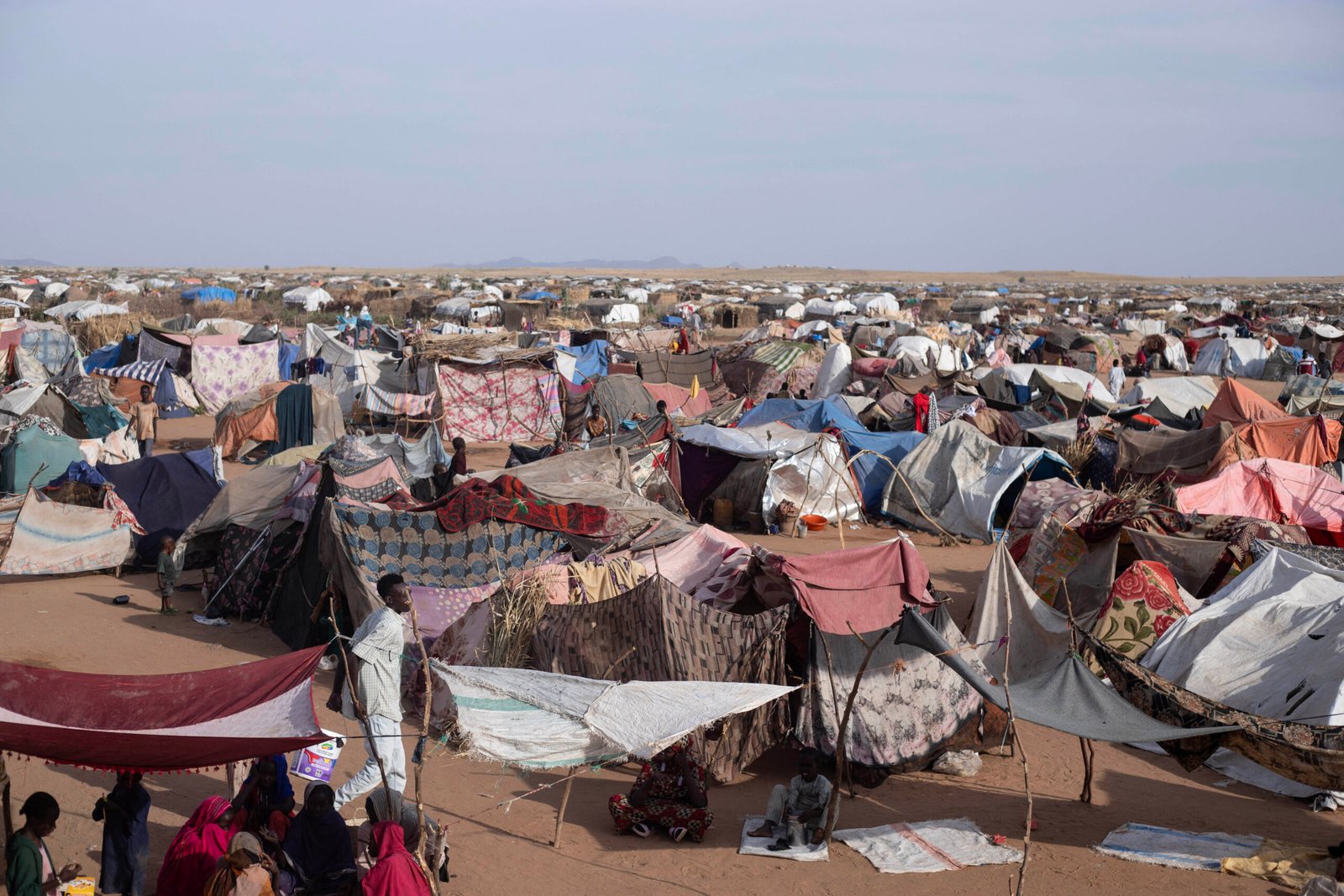
Nearly 8.3 million refugees and other forcibly displaced people could lose access to vital assistance this year as the United Nations refugee agency faces a deepening funding crisis, the UN High Commissioner for Refugees (UNHCR) warned on Tuesday.
In a new report released on September 29, 2026, UNHCR said its ability to protect and assist refugees, internally displaced people and stateless people is being weakened by what it described as a sustained and worsening funding shortfall.
The agency said it requires about $8.505 billion to meet its needs in 2026, but had received only 32 percent of that amount — approximately $2.7 billion — by the end of July. This leaves a funding gap of about $5.789 billion. Available funding also fell by 24 percent between 2024 and 2025, according to the report.
UNHCR warned that the consequences are already being felt in countries hosting large displaced populations, with cuts affecting refugee registration, child protection and services for survivors of gender-based violence.
In Chad, 319,000 refugees are facing delays in registration, while around 200,000 women and girls could lose access to safe spaces and prevention programmes. In Sudan, approximately 140,000 refugees and asylum seekers remained unregistered by mid-2026 after registration activities were suspended during the first five months of the year.
The funding crisis is also affecting people returning to their countries of origin. In Afghanistan, UNHCR said financial assistance for returnees has been reduced from $375 to $170 per person. More than one million people have returned to Afghanistan this year from neighbouring countries including Iran and Pakistan, according to the agency.
UNHCR said it has already taken significant cost-cutting measures. Its workforce was reduced by 33 percent in 2025, while offices in 140 locations were closed and operations in 15 countries were discontinued compared with 2024. The agency said further savings would not be sufficient to offset the scale of the current funding shortfall.
Another concern is the growing proportion of donor contributions that are earmarked for specific purposes. UNHCR said tightly earmarked funding accounted for 51 percent of contributions in 2026, compared with 19 percent five years earlier, limiting its ability to redirect money to areas facing the most urgent needs.
UNHCR expects the number of people under its mandate to reach 131.2 million by the end of 2026, up from 129.4 million at the end of 2025. The agency warned that continued reductions could weaken protection systems and leave more displaced people without documentation, child protection services and assistance for survivors of violence.
The warning comes as humanitarian needs remain high across several major displacement crises, including Sudan and Afghanistan. UNHCR said the funding situation is now affecting even some of its highest-priority operations.
The agency’s latest warning does not mean that all 8.3 million people will immediately lose assistance. Rather, the figure represents people UNHCR estimates are at risk of losing access to its support if the funding shortfall continues.