


From: Femi Mustapha in Kaduna
Civil society leader Rev. David Ugolor has called on the Senate to hold a public hearing on the East–West Road and establish a Niger Delta Legislative Working Group to ensure the permanent rehabilitation of the highway, describing it as one of Nigeria’s greatest infrastructure failures.
In an open letter addressed to Senate President Godswill Akpabio and Senator Adams Oshiomhole, Ugolor, Convener of The Common Good Letter Initiative, said the time had come to turn Senate debates into concrete action.
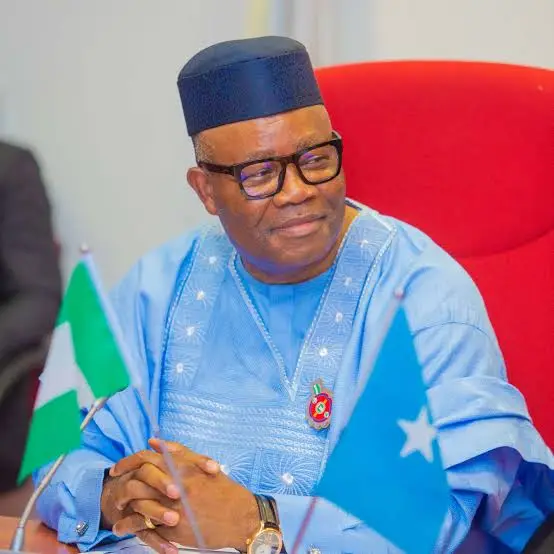
Ugolor said he transcribed and shared videos of both senators’ recent interventions on the Senate floor to preserve their messages for broader public engagement.
Quoting from the official transcript of Senate President Akpabio, Ugolor highlighted the Senate President’s concern over the state of major federal highways.
“Because that is the most traversed road that I know of. Uh, all the way from Calabar, Cross River, Akwa Ibom, Abia, and all those places. It’s a very, very busy road that goes to Lagos. It’s a major thoroughfare,” Akpabio said.
He also referenced the impact on other states: “But sir, also to Kogi because you know we have two giant cement factories carrying cement along Benin road, carrying cement to the North. Now sometimes when it’s blocked we can spend seven hours from Auchi to Abuja, which used to be three hours.”
Akpabio further urged that “we call for the total rehabilitation of some of the roads, not just patching of the roads. Because those are very major thoroughfares for the nation” and called for additional money we must budget more for FERMA than rushing into the new roads.”
Citing the official transcript of Senator Adams Oshiomhole, Ugolor noted the Edo North Senator’s allegation of bias in federal road allocations.
“Whereas we have all these old roads that are in bad shape, he proposes the construction of new roads when existing roads are not there. Yet sir, between Edo and Delta, there is manifest bias by the Minister of Works,” Oshiomhole said.
The Senator added: “You cannot go to Warri from Benin. You can’t go to Asaba from Benin. You can’t go to Auchi from Benin. You can’t go from Umuachi to Okene from Benin. What have we done wrong?”
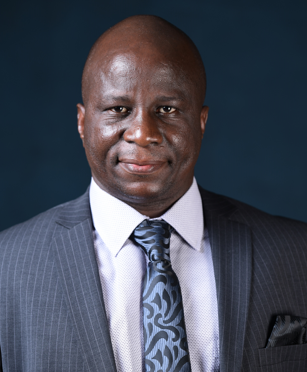
Oshiomhole further stated that “the Federal Minister of Works has failed deliberately to include that portion bordering Delta and Edo in the national budget” despite a previous Senate motion, and pleaded that the Minister “be more balanced and have a national overview of his responsibilities.”
Despite these interventions, Ugolor said the situation on the ground remains dire.
“Lives continue to be lost on this road. Businesses continue to incur enormous losses. Communities remain vulnerable to insecurity, while motorists endure avoidable hardship every day,” he stated.
To build public pressure, Ugolor said he has launched The Common Good Letter Video Series, a citizen-led advocacy campaign, and invited both Akpabio and Oshiomhole to watch and share the first episode.
He specifically urged Senator Oshiomhole to return the matter to the Senate floor and, if permitted, to play excerpts of the video to colleagues as “a reflection of the voices and experiences of ordinary Nigerians.”
Ugolor then requested that the Senate move a motion for Public Hearing on the East–West Road and Other Strategic Federal Roads in the Niger Delta.
He proposed the hearing should: review all contracts awarded for the road; examine budgetary allocations, releases and implementation; invite the Honorable Minister of Works, relevant ministries, departments and agencies, contractors, and oversight institutions; and hear from affected communities, transport unions, businesses, engineers, civil society organizations, and independent experts to develop “an agreed roadmap with measurable milestones”
Beyond the hearing, Ugolor proposed the establishment of a bipartisan Niger Delta Legislative Working Group on the East–West Road comprising members of both the Senate and the House of Representatives.
He said the Working Group could coordinate oversight, engage the Executive to remove bottlenecks, work with the private sector, development partners, engineers, professional bodies, transport unions, and civil society, and collaborate with The Common Good Letter Initiative to ensure transparency.
It would also produce “periodic public progress reports” until completion.
Ugolor stressed the project should not be seen through partisan politics.
“The successful completion of the East–West Road has the potential to become one of the defining infrastructure achievements of President Bola Ahmed Tinubu’s administration.
It would strengthen regional integration, unlock economic opportunities, improve national security, and demonstrate the Federal Government’s commitment to the development of the Niger Delta,” he said.
He concluded that the rehabilitation would also “deepen public confidence in the administration and strengthen the relationship between the APC-led Federal Government and the people of the Niger Delta.”
“History remembers leaders who transform difficult challenges into enduring legacies. I believe that this is one of those moments,” Ugolor added.