


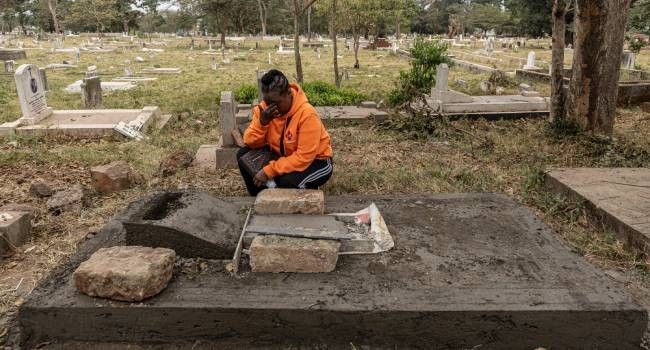
The reduction of U.S. funding for HIV programmes in Kenya is having serious consequences for sex workers who relied on specialised clinics and community-based health services, with health organisations reporting deaths among people who lost access to treatment.
An investigation published by AFP on Friday, September 18, found that at least 24 HIV-positive sex workers in Kenya had died after disruptions to services following the U.S. government’s decision to freeze and restructure foreign assistance in 2025. Frontline health workers told AFP that the actual number could be higher.
The situation is particularly significant because sex workers are among the populations at higher risk of HIV infection and have historically relied on specialised services that provide testing, antiretroviral medicines, condoms and prevention programmes.
Many of those services were delivered through community organisations supported by U.S. funding.
One of the people highlighted in the AFP investigation was Judy, a 36-year-old HIV-positive sex worker in Nairobi. According to her friend, Judy had received treatment and support through the Bar Hostess Empowerment and Support Programme, known as BHESP, before the organisation lost U.S. funding and its outreach teams were reduced.
Unable to afford regular transportation to a clinic and reluctant to seek treatment at public hospitals because of stigma, Judy eventually stopped taking her HIV medication. Her health deteriorated and she died in 2026, according to the report.
BHESP said three HIV-positive sex workers from Nairobi’s Mathare area had died in recent months after discontinuing treatment, while organisations in other parts of the country reported additional deaths among HIV-positive sex workers who had lost access to care.
In western Kenya, Dorothy Agalla of the Kisumu Sex Workers Alliance told AFP that none of the 25 USAID-funded clinics serving sex workers in the region had survived the funding cuts. She said fewer than 1,000 of the approximately 20,000 sex workers previously reached by the programmes were now receiving care through public facilities.
The disruption extends beyond HIV treatment. Organisations have also reported reductions in HIV testing, prevention services, condom distribution and regular monitoring of patients.
The Sex Workers Outreach Programme, which monitors about 45,000 people working in the sector, reported a 48 per cent increase in new HIV infections during the first half of 2026 compared with the same period in 2024, according to AFP. Half of its clinics reportedly closed following the U.S. funding reductions.
BHESP also reported a substantial increase in infection rates at its remaining facility in Roysambu, Nairobi.
Health officials have warned that the consequences could extend beyond the sex-worker population because interruptions in prevention and treatment can increase the risk of HIV transmission.
Douglas Bosire, head of Kenya’s National Syndemic Diseases Control Council, said the country had made substantial progress against HIV, with new infections falling from about 110,000 in 2005 to 13,936 in 2025. He warned that those gains could be reversed if vulnerable groups lose access to prevention and treatment.
The broader impact of the U.S. funding disruption has also been documented by researchers. A study published in August 2026 in BMC Public Health found that the 2025 funding cuts caused disruptions across Kenya’s HIV-care system, including shortages and rationing of antiretroviral treatment, missed appointments and reduced monitoring. Researchers also found that the rapid integration of HIV services into general healthcare settings raised concerns about confidentiality and stigma.
A separate global study by amfAR found that more than 1,700 HIV service sites had closed following terminated or delayed PEPFAR payments, while HIV prevention spending fell substantially. The study also found that organisations serving populations at particularly high risk of HIV were disproportionately affected.
The U.S. administration has rejected claims that it is responsible for the reported deaths. During a September 9 visit to Nairobi, Frank Garcia, the Trump administration’s deputy assistant secretary for Africa, pushed back against what he described as an attempt to blame the United States for deaths among sex workers. He pointed to the country’s longstanding role in financing global HIV treatment and prevention.
The funding changes followed President Donald Trump’s January 2025 order pausing U.S. foreign assistance and the subsequent restructuring and cancellation of many USAID programmes. Although waivers allowed some life-saving HIV services to continue, health organisations and researchers have documented significant disruptions to personnel, prevention programmes and community-based services.
For Kenya, the immediate challenge is how to maintain HIV services for populations that may be reluctant or unable to use conventional public health facilities. Health workers and community organisations warn that without sustained treatment and prevention, the country could lose some of the progress it has made against the epidemic over the past two decades.