


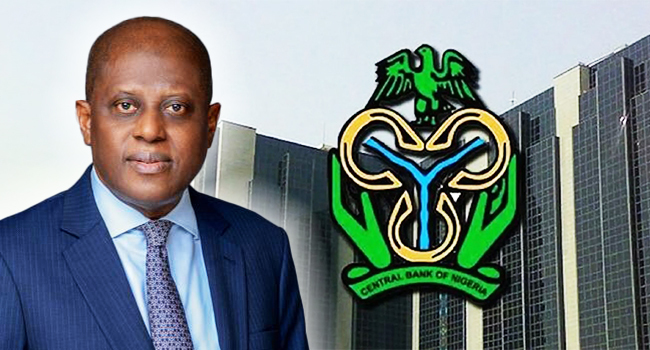
The Federal Government and the Central Bank of Nigeria have signed a Memorandum of Understanding aimed at creating a more structured and permanent system for coordinating fiscal and monetary policies.
The agreement was signed in Abuja on Friday, September 18, 2026, by the Minister of Finance and Coordinating Minister of the Economy, Taiwo Oyedele, and CBN Governor Olayemi Cardoso.
The framework provides for regular consultations, information sharing and joint policy assessments between the Federal Ministry of Finance and the apex bank. It is intended to improve the consistency of economic decisions on issues including inflation, government borrowing, liquidity management, foreign exchange and debt financing.
Oyedele said the significance of the agreement goes beyond the signing itself, describing it as an effort to ensure that cooperation between fiscal and monetary authorities becomes embedded in institutions rather than depending on the individuals occupying key positions.
He noted that decisions taken by the government and the CBN are closely connected. Government borrowing, for example, can influence liquidity and interest rates, while monetary policy can affect the cost of government financing. Similarly, taxation, exchange rates and public spending can influence prices, revenues and overall economic activity.
Under the new framework, both institutions are expected to strengthen the sharing of economic data, develop more consistent macroeconomic assumptions and forecasts, and establish clearer mechanisms for addressing areas where fiscal and monetary policies may come into conflict.
The minister, however, stressed that closer coordination would not amount to government control of the central bank.
He said the CBN’s operational independence would remain intact, with the apex bank retaining responsibility for monetary policy and financial-system stability. The objective, he explained, is coordination without what he described as fiscal dominance.
Cardoso said the agreement formalises cooperation that has existed between the CBN and the Ministry of Finance for years, including work on inflation, debt sustainability, budget financing, exchange-rate stability and responses to economic shocks.
He said the MoU would establish more predictable channels for cooperation in areas such as government cash management, debt issuance planning, liquidity forecasting, macroeconomic analysis and regular policy consultations.
The CBN governor also linked the agreement to Nigeria’s move towards an inflation-targeting framework, noting that achieving price stability requires supportive fiscal conditions alongside effective monetary policy.
According to Cardoso, better coordination should help reduce policy conflicts and improve the ability of both institutions to respond to emerging economic challenges.
The government also sees fiscal policy as having a role in tackling inflationary pressures arising from structural challenges, including food supply, energy costs, transportation and logistics. Oyedele said efforts in these areas would complement monetary measures aimed at controlling inflation.
The framework will also involve sharing information on government cash positions, financing plans, credit growth and foreign-exchange flows. Officials said this should give policymakers a stronger common evidence base when making decisions.
The agreement comes as Nigeria continues to implement economic reforms while seeking to maintain price stability, improve public finances and support private-sector access to credit.
Oyedele said the long-term test of the arrangement would be whether fiscal and monetary authorities could maintain effective coordination through future economic shocks and changes in leadership.