


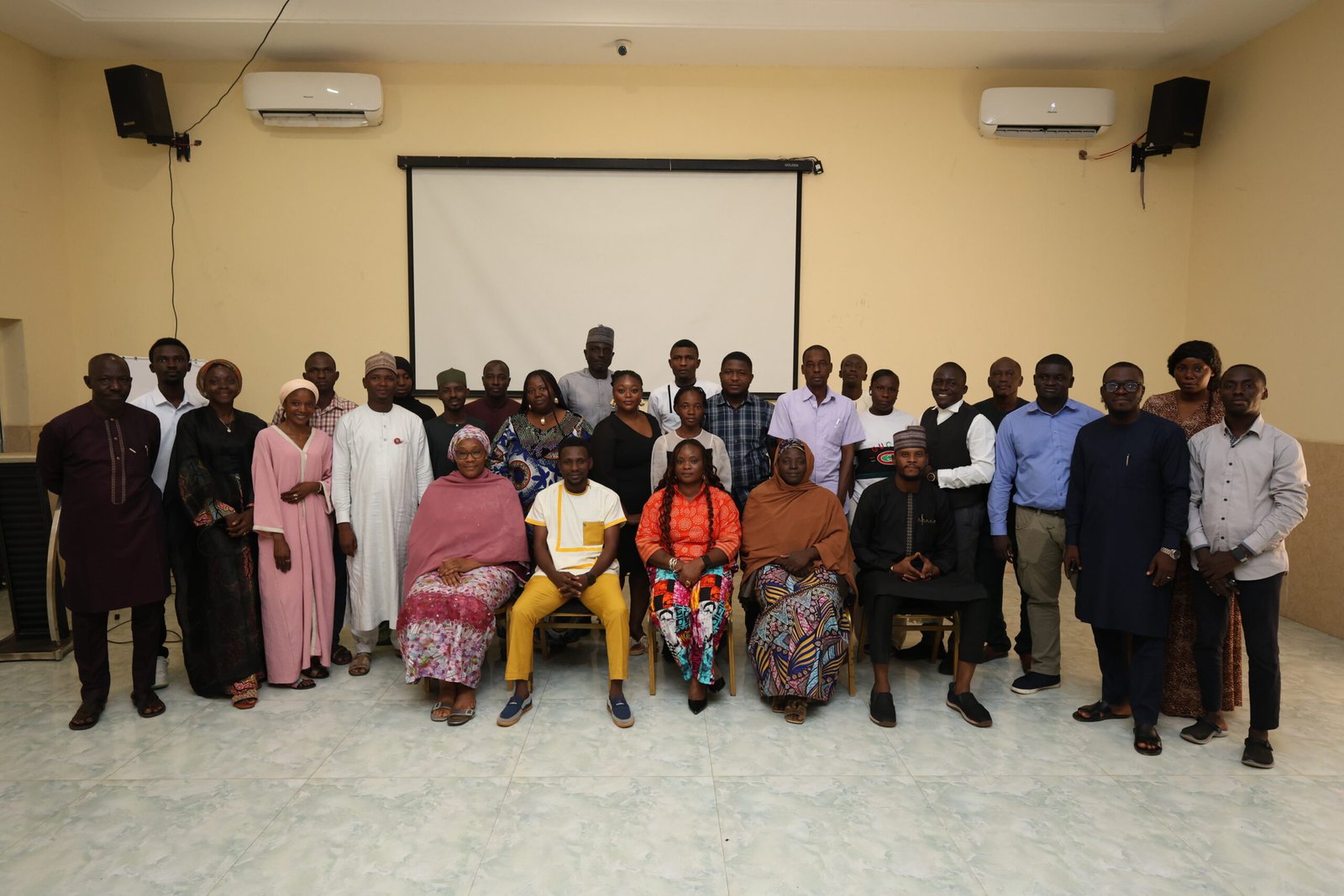
By Femi Mustapha in Kaduna
Kaduna State has a strong foundation for civic participation, yet widespread dissatisfaction with public service delivery is fueling discontent among citizens.
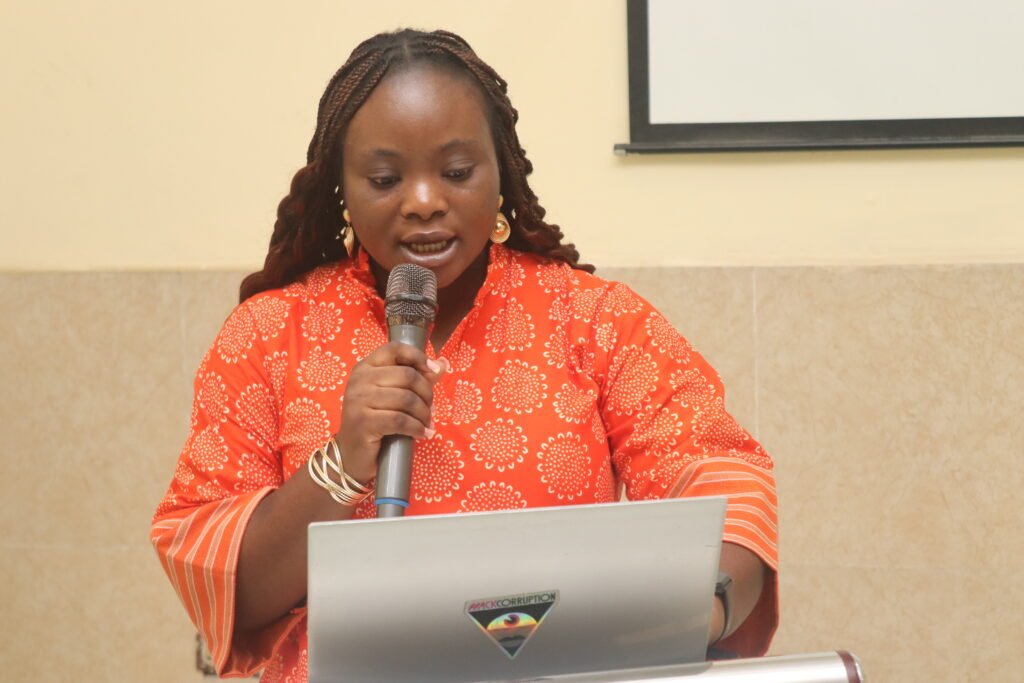
This was revealed by Ehi Idakwo, Programs and Learning Manager of Accountability Lab Nigeria, while presenting findings from a baseline survey conducted three months ago in the state.
According to Idakwo, the survey measured civic participation, accountability, human rights reporting, and election participation across Kaduna.
He said the results showed that many respondents are active members of one or two community accountability mechanisms, indicating a robust civic base.
However, he noted that the same respondents expressed dissatisfaction with public service delivery across critical sectors, including water, roads, health, and education.
Idakwo said the organization convened stakeholders from civil society, the media, and community structures to collectively build their capacity to address issues emerging from the baseline findings.
He said the gap between high civic engagement and poor satisfaction with services requires a harmonized, structured approach to engaging with the government and prompting an institutional response.
Idakwo also disclosed another major finding: a critical mass of young people between the ages of 18 and 25 do not plan to vote or do not have Permanent Voter Cards.
He linked this to emerging electoral risks that must be anticipated before the 2027 general elections, noting that electoral issues are often addressed only after damage has been done.
According to him, participants at the engagement highlighted political thuggery, signs of vote-buying in campaigns, and safety concerns as key factors discouraging participation.
He warned that these concerns are contributing to voter apathy that could significantly shape the 2027 elections in Kaduna State.
Idakwo said Accountability Lab does not want to remain on the sidelines but aims to promote active citizenship and collective action to address the identified problems.
He said stakeholders had developed a collective advocacy plan to be implemented over the next 90 days, targeting duty bearers and institutions responsible for each identified issue.
He added that concerns from the community level, particularly in Kaduna South and Zaria, had been brought to the table to build a coalition that puts election and insecurity issues on the front burner.
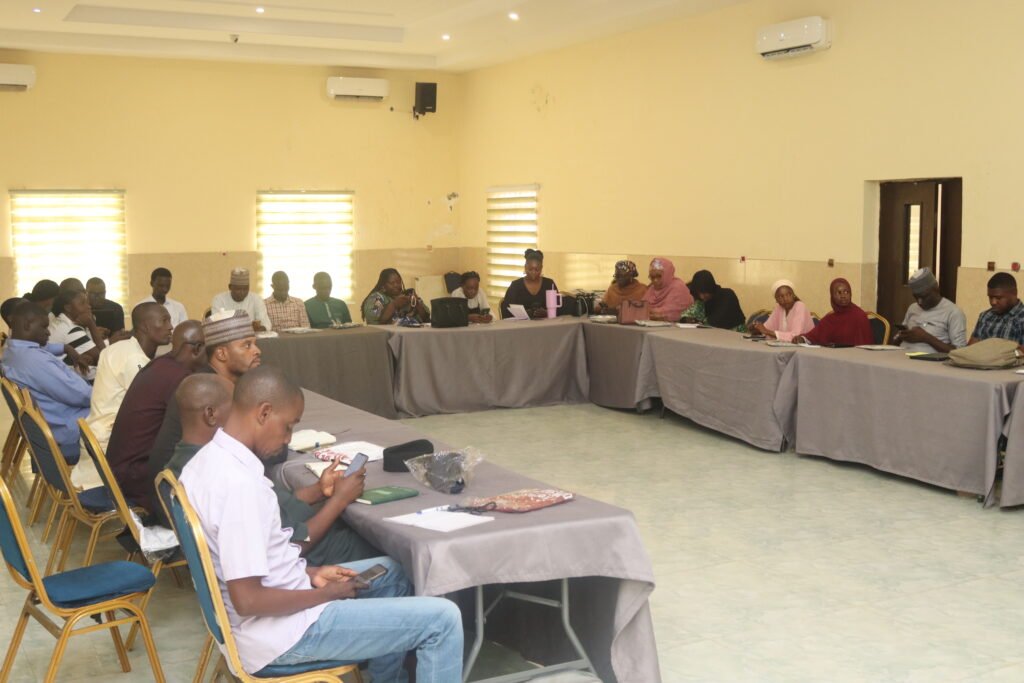
Contributing to the discussion, Giving Promise, team lead for Team Lead Nigeria, said the engagement reminded communities of their role in holding the government and duty bearers accountable.
Giving Promise, also known as GP, commended Accountability Lab for its mobilization and for selecting participants based on their experience, including seasoned journalists and frontline community advocates.
He said the discussions were grounded in firsthand experiences rather than hearsay, as participants shared real encounters from their communities.
Giving Promise urged participants to use the lessons from the first day to advance responsible governance and to build a long-term scorecard to hold leaders to their promises.
Similarly, Phoebe Thomas Aruwa, a community frontline advocate with Accountability Lab, described the meeting as an informative platform for strategic stakeholders to chart a path toward free and fair elections without violence.
Aruwa said the engagement was a wake-up call that must begin with individuals willing to participate at the grassroots and community levels.