


By Femi Mustapha in Kaduna
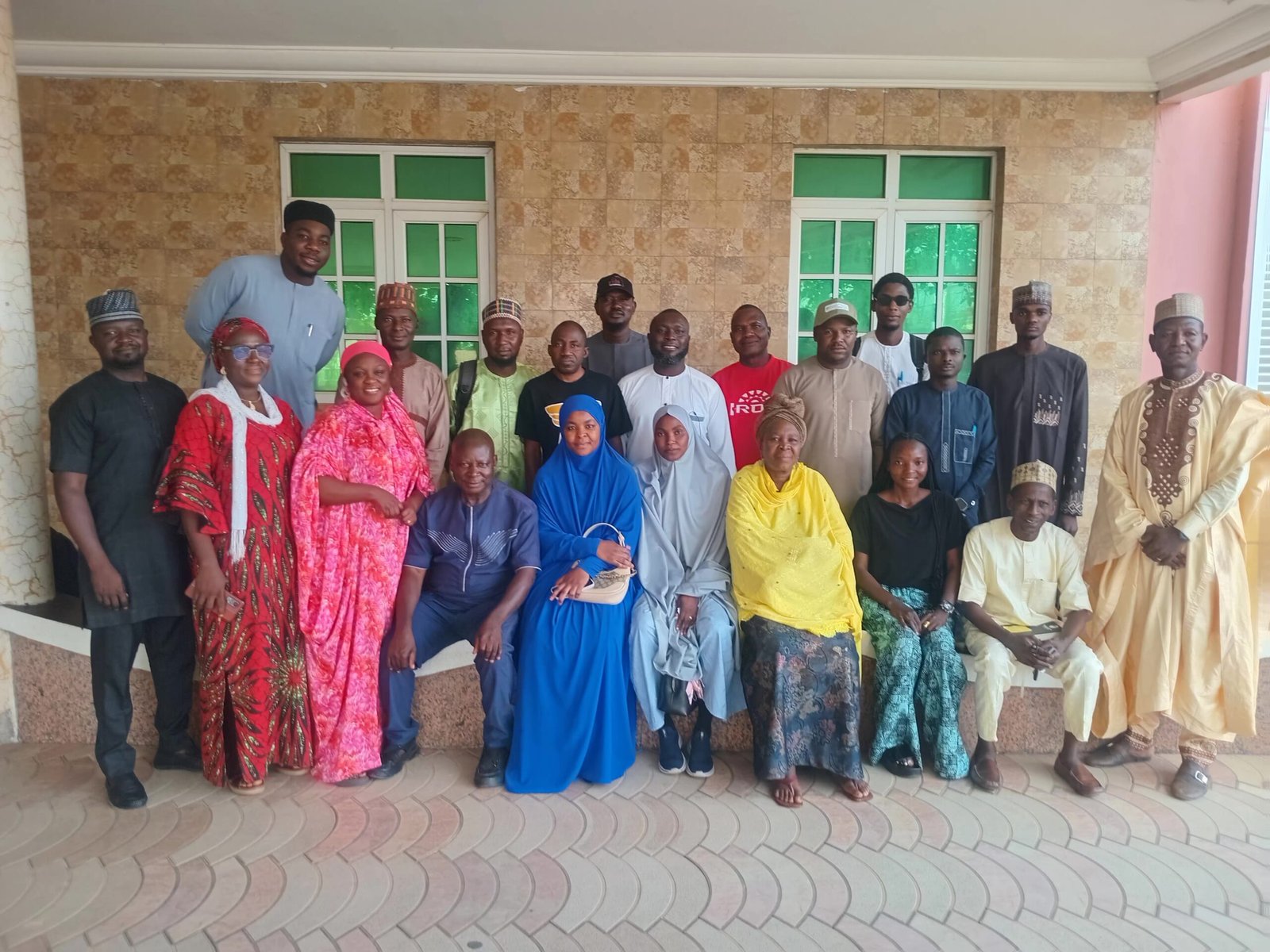
Stakeholders from government, civil society, and academia have converged in Kaduna to validate advocacy policy briefs aimed at addressing gaps in human resources for health in Kaduna State.
Kaduna Local Government Accountability Mechanism KADLGAM organized the validation exercise
with support from the Lafiya FCDO program, in collaboration with the Human Resources for Health Technical Working Group of Kaduna State.
Speaking at the meeting, Executive Director of Civic Impact for Sustainable Development Foundation and member of KADLGAM, Yusuf Ishaku Goje, said the briefs were developed after a critical analysis of human resources for health data to identify challenges and propose actionable solutions.
Goje said the purpose of the validation was to ensure that all the data analyzed and evidence contained in the briefs were credible, and that the advocacy messages would appeal to the government and push it to take the necessary action.
According to him, the data showed significant workforce shortages, particularly in doctors, nurses, and other essential medical staff, as well as challenges in the accreditation of tertiary health training institutions.
He listed other gaps, including weak health information systems in secondary and tertiary hospitals and delays in replacing staff who leave the system due to retirement, death, or other reasons.
Goje noted that clear strategies had been put in place to achieve the overall goal of improving the availability of the health workforce, especially in rural communities, where poor working conditions discourage postings.
He said the hope was to see more health workers employed at all levels. He commended the state government for opening the recruitment portal for primary health care workers and expressed optimism that similar recruitment would be extended to secondary and tertiary facilities.
On sustainability, Goje acknowledged concerns that policy documents often fail to translate into action but said that working closely with the Human Resources for Health Technical Working Group provides an institutional anchor.
He explained that the Working Group’s mandate aligns with the advocacy goals and that collaboration would ensure the issues remain on the agenda while political stakeholders are engaged.
He added that civil society was putting together a temporary platform to sustain joint advocacy, supported by clear timelines and a monitoring and evaluation framework to track progress and take corrective action where needed.
Goje confirmed that the program was supported by the FCDO Lafiya program, which supported the development and validation of the briefs and had committed to supporting subsequent advocacy engagements.
Also speaking, Solomon Chanan Solomon, a consultant on human resources for health with the Lafiya program, commended civil society, development partners, and participants for their dedication.
Solomon described human resources for health as a critical component of the health system, warning that without adequate personnel, the state would fail to meet health challenges at any level.
He said strengthening the health system requires the government to provide accurate data. At the same time, citizens take responsibility for advocating to the right leaders, decision-makers, and policymakers to integrate the findings.
He expressed hope that the government would listen and use the ongoing recruitment to address identified gaps and reduce the burden on the few health workers currently on the ground, as well as on citizens in communities and at primary health care centers (PHCs).
Solomon thanked all participants, saying their contributions were top-notch and would be used to support the development of the Kaduna State Ministry of Health.