


By TheDailyNewsHub Reporter
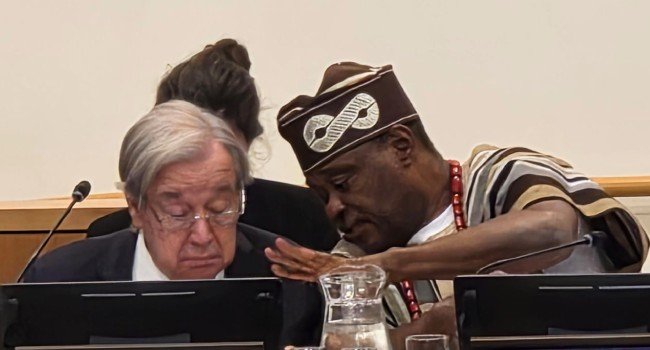
United Nations Secretary-General António Guterres has proposed a $3.3 billion programme budget for 2027, with Nigeria’s Permanent Representative to the UN, Ambassador Jimoh Ibrahim, leading the General Assembly committee responsible for reviewing the organisation’s administrative and budgetary plans.
Guterres presented the proposal in New York on Tuesday, October 13, 2026, as the United Nations continues efforts to reduce costs, improve efficiency and address financial pressures affecting its operations.
The proposal, which is lower than the approved 2026 programme budget, forms part of the UN80 Initiative, a reform programme aimed at making the organisation more efficient and responsive to its responsibilities in international peace and security, sustainable development and human rights.
According to the UN’s published announcement, the proposed 2027 programme budget represents a reduction of $40.8 million, or approximately 1.2 per cent, from the approved budget for 2026. The proposal is subject to consideration by member states and has not yet received final approval.
Ibrahim, Nigeria’s ambassador and permanent representative to the United Nations, chairs the General Assembly’s Fifth Committee, which handles administrative and budgetary matters. The committee examines the organisation’s proposed expenditure, staffing requirements and resource allocations before the General Assembly takes decisions on the budget.
The Nigerian diplomat’s position places him at the centre of discussions over how the UN will finance its programmes while responding to demands for greater accountability and more effective use of resources.
Presenting the proposal, Guterres highlighted the importance of aligning spending with the organisation’s priorities and improving the delivery of mandates assigned by member states. The budget process comes amid continuing concerns about the UN’s financial position, including the impact of delayed or incomplete payments of assessed contributions by member countries.
The Secretary-General has repeatedly warned that financial uncertainty can undermine the implementation of approved programmes. He has urged member states to meet their financial obligations in full and on time, arguing that efficiency measures alone cannot resolve the organisation’s liquidity challenges.
The proposed budget also reflects the continuing implementation of the UN80 Initiative, which seeks to streamline operations, reduce duplication and make better use of available resources. Reform measures under consideration include changes to administrative arrangements, the relocation of selected functions to lower-cost duty stations and efforts to improve coordination across the Secretariat.
The proposal includes funding for special political missions and other activities connected to the UN’s international responsibilities. It also provides for targeted expenditure on development cooperation, disability inclusion, mandate implementation reviews and improvements to the organisation’s internal administrative systems.
The UN’s financial planning has become increasingly important as it responds to conflicts, humanitarian emergencies, climate-related challenges and growing demands for international cooperation. At the same time, member states face competing domestic spending priorities, making negotiations over the organisation’s budget politically and financially sensitive.
For Nigeria, Ibrahim’s leadership of the Fifth Committee provides a role in the negotiations through which member states scrutinise the UN’s spending plans. However, the committee operates collectively, and decisions on the final budget remain subject to the established General Assembly process.
The proposal will undergo further examination by the Fifth Committee before the General Assembly makes the necessary decisions. Until that process is completed, the $3.3 billion figure remains a proposed programme budget rather than an approved allocation.
The budget review is expected to focus on how the United Nations can sustain its core functions, implement decisions made by member states and maintain financial accountability while operating under pressure to reduce costs.