


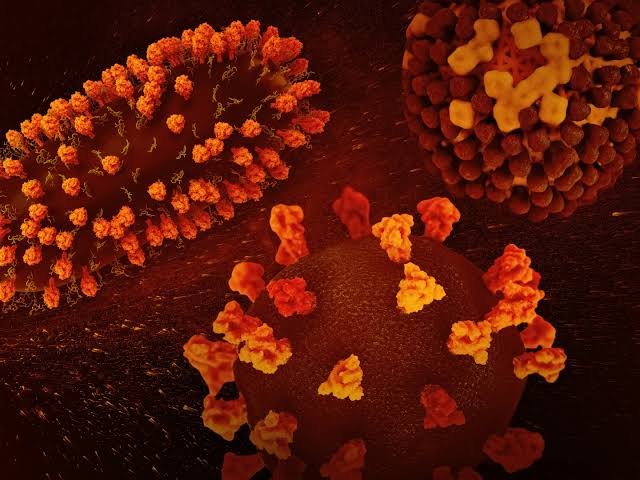
French health authorities have reported the first documented human infection with the Shamonda virus, a pathogen previously known to affect animals, but say no health risk to the general population has been identified so far.
The patient, who was severely immunocompromised and receiving treatment for a serious illness at Hospices Civils de Lyon, died in early October. Authorities said investigations are continuing to establish how the infection occurred and whether the virus contributed to the patient’s death.
The French health and agriculture ministries said the case was exceptional because no human infections had previously been documented despite the virus circulating among animals in Africa and Asia for decades.
The leading hypothesis is that the patient contracted the virus through the bite of an infected Culicoides midge in eastern France, where Shamonda virus had been detected in livestock during spring and summer this year.
Shamonda virus belongs to the Orthobunyavirus group and has been associated mainly with cattle, although infections have also been identified in other animals. It was first detected in Nigeria in the mid-1960s and was identified in European livestock for the first time in 2026.
The European Centre for Disease Prevention and Control (ECDC) said it was monitoring the situation and working with French authorities and European partners to assess the possible public-health implications. The World Health Organisation has also been notified and is working with French officials to investigate the source of the infection and potential transmission routes.
French authorities stressed that the current assessment does not identify a health risk to the wider population. However, clinical, laboratory and epidemiological investigations remain ongoing, and experts are continuing to examine the unusual human infection.
The case has drawn international attention because it challenges the previous understanding that Shamonda virus did not infect humans. Health officials say further investigation is needed before firm conclusions can be drawn about its implications for human health.