


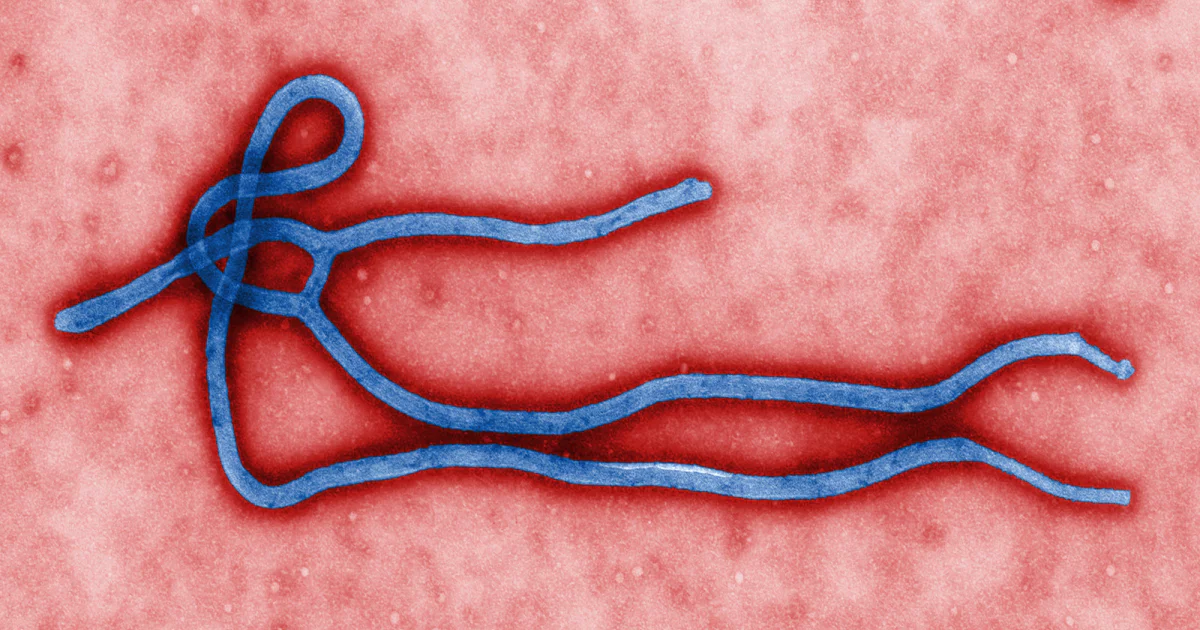
Nigeria has confirmed an imported case of Ebola virus disease in Abuja, prompting President Bola Tinubu to direct urgent measures to prevent further transmission, the Federal Government has announced.
Coordinating Minister of Health and Social Welfare, Professor Muhammad Ali Pate, disclosed the development on Tuesday, October 20, 2026, following laboratory confirmation of the infection in a woman who recently arrived in Nigeria on an international flight from Uganda.
Pate said the patient was receiving medical care in isolation at a private hospital in the Federal Capital Territory (FCT). She reportedly developed symptoms on October 7 and was admitted to the hospital on October 11 before the infection was confirmed.
The minister described the case as contained and said the government had activated public health response measures to prevent further spread.
Authorities have identified 44 close contacts and commenced contact tracing. The exercise covers people who may have been exposed to the patient, including healthcare workers, other patients, caregivers and travel contacts.
The Federal Ministry of Health and Social Welfare, the Nigeria Centre for Disease Control and Prevention (NCDC), and the FCT Health Services Secretariat are coordinating the response.
Pate said President Tinubu had directed relevant agencies to take urgent measures to contain the infection, strengthen surveillance and prevent additional cases.
The minister also urged public and private healthcare facilities nationwide to remain vigilant, promptly identify and isolate suspected cases, maintain strict infection prevention and control procedures, and report suspected infections immediately to public health authorities.
The confirmed infection is linked to the ongoing regional outbreak of Bundibugyo ebolavirus, a strain responsible for cases in the Democratic Republic of Congo and neighbouring countries. Kenya reported an imported case earlier in October, raising concerns about cross-border transmission.
Nigeria’s health authorities had previously strengthened surveillance and preparedness following the regional outbreak. The latest confirmation marks a change from the NCDC’s earlier position that no Ebola case had been detected in the country.
Although the government has described the case as contained, contact tracing and monitoring remain critical to determining whether anyone else was exposed and preventing further transmission.
The Federal Government has urged Nigerians to remain calm and cooperate with public health officials as response operations continue.
The immediate priority is to identify all contacts, monitor those potentially exposed and maintain effective infection-control measures while health authorities assess the situation.