


By TheDailyNewsHub Reporter
The circulation of suspected counterfeit and substandard products in Nigeria, ranging from medicines and toothpaste to alcoholic and non-alcoholic beverages, has renewed concerns about consumer safety and the need for stronger public vigilance.
Consumers are being encouraged to pay closer attention to product labels, packaging, registration details and expiry dates, while reporting suspicious goods and suspected illegal production facilities to the relevant authorities.
The National Agency for Food and Drug Administration and Control (NAFDAC) is responsible for regulating the manufacture, importation, distribution and sale of food, medicines, cosmetics and other products within its remit. However, identifying suspected counterfeit goods also depends on timely reports from consumers, retailers and other members of the public.
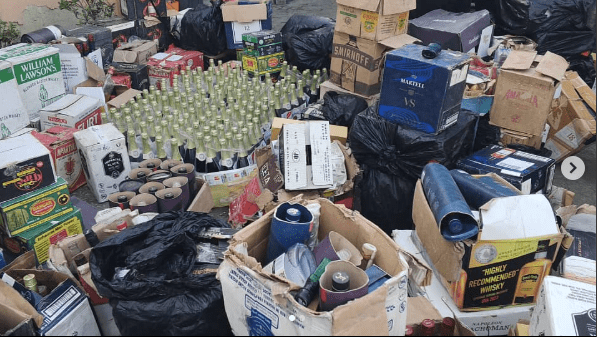
The issue has gained renewed attention following recent enforcement activities by the agency. On October 13, NAFDAC announced that it had uncovered a suspected counterfeit drinks operation at Zamfara Plaza, within the BBA Trade Fair Complex in Lagos State, and arrested two suspects. The agency alleged that the individuals were involved in revalidating energy drinks and popular wine and whisky brands.
Details about the products allegedly involved, the quantity recovered and any laboratory findings were not immediately disclosed. The allegations therefore remain subject to the outcome of the investigation.
The Lagos operation follows wider concerns about unsafe and unregulated consumables. In September, NAFDAC linked deaths in parts of Ondo State to suspected locally prepared alcoholic and herbal concoctions containing high concentrations of methanol in preliminary laboratory findings. The agency reported 48 deaths as of September 17, while further investigations into the outbreak continued.
Although the two incidents involve different circumstances, they highlight the potential consequences of consuming products whose ingredients, source or production conditions cannot be reliably established.
Counterfeit or substandard products can pose different risks depending on their composition and intended use. Medicines with incorrect ingredients or insufficient active substances may fail to treat illnesses, while contaminated food and drinks can cause serious harm. Falsified toothpaste and cosmetics may also expose consumers to ingredients that have not been properly assessed for safety.
Consumers should purchase regulated products from reputable pharmacies, supermarkets and authorised distributors where possible. They should inspect packaging for signs of tampering, inconsistent printing, broken seals or altered expiry dates, and check that the product information is complete and legible.
A registration number printed on a package should not automatically be treated as proof of authenticity, as counterfeiters may copy legitimate registration details. Where doubts arise, consumers should verify the product through official channels or contact NAFDAC.
The agency provides complaint channels for members of the public, including its toll-free number, 0800-1-NAFDAC (0800-1-623322), and the email address reforms@nafdac.gov.ng. Suspected substandard or falsified medical products can also be reported through NAFDAC’s online reporting services.
Reports are more useful when they include clear details about the product, where it was purchased, the batch number, expiry date, packaging and the reasons for suspicion. Photographs and receipts may help investigators assess a complaint. Anyone who suspects that a product has caused illness should seek appropriate medical attention and preserve the packaging where safe to do so.
NAFDAC has also stressed the importance of scientific testing when assessing allegations about unsafe products. In September, the agency rejected online claims about several allegedly fake or adulterated food products, saying that social media allegations alone were insufficient to establish whether a product was unsafe or non-compliant.
The distinction matters because unverified accusations can mislead consumers and unfairly damage legitimate businesses. Suspicion should prompt a report and proper investigation, rather than an unsupported public declaration that a particular product or brand is counterfeit.
Nigeria’s laws prohibit the manufacture, sale and distribution of counterfeit drugs and certain unwholesome processed foods, as well as the sale and distribution of banned, adulterated, substandard or expired medicines. Enforcement requires effective surveillance, laboratory analysis and cooperation between regulators, businesses and the public.
Consumers can help by reporting suspected violations promptly, avoiding products with questionable packaging or unclear sources, and relying on official safety alerts rather than unverified social media messages. Public awareness, credible reporting and effective regulatory action remain important safeguards against potentially dangerous goods.