


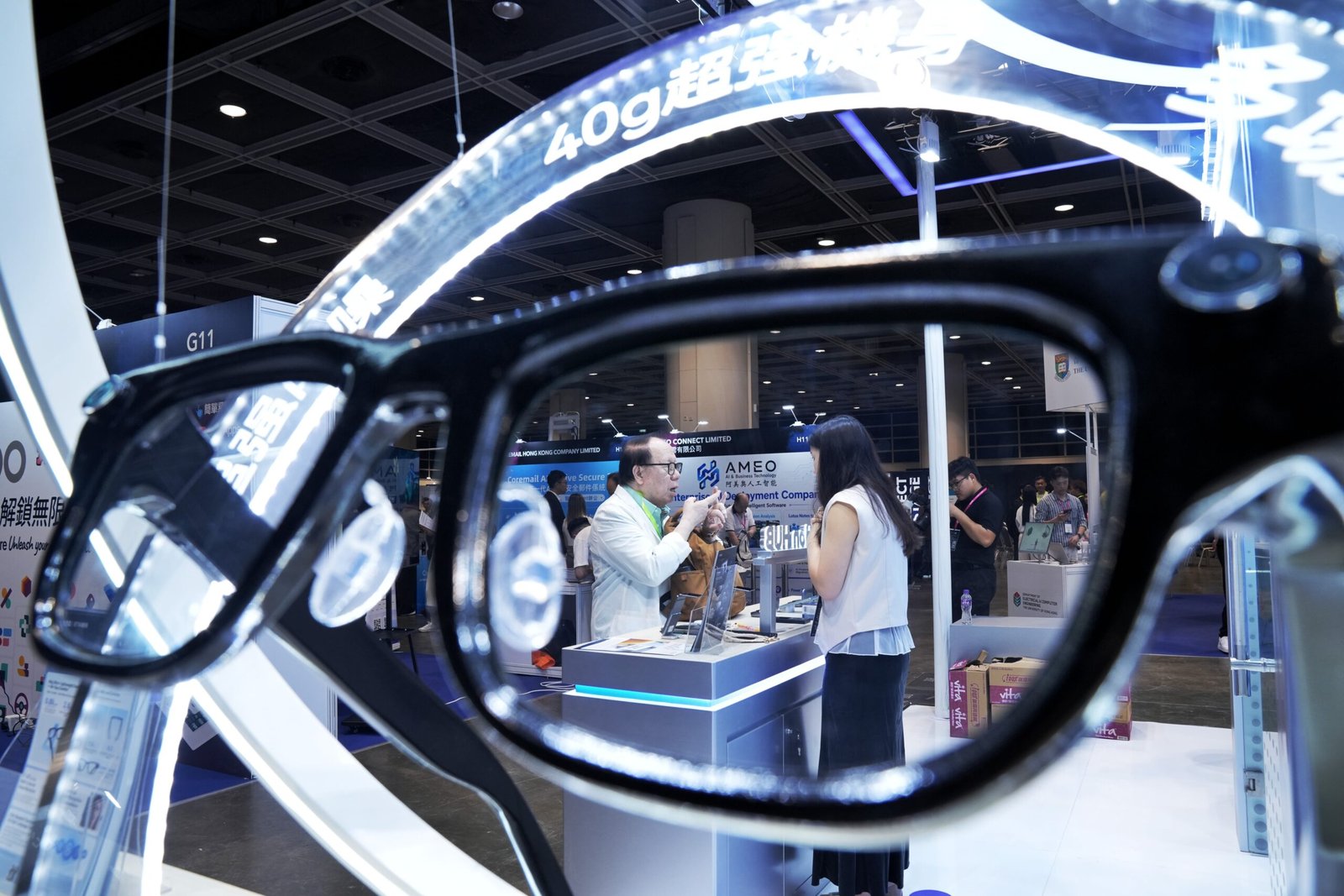
South Korea is preparing tougher penalties for students caught using artificial intelligence-powered smart glasses to cheat in examinations, including possible criminal prosecution and a proposed three-year ban from its national university entrance test.
The Ministry of Education announced the measures on Thursday, October 29, as part of efforts to prevent the growing use of smart glasses during the country’s highly competitive College Scholastic Ability Test (CSAT), commonly known as the Suneung.
Under the proposed measures, students caught using the devices to obtain answers during the national examination could face criminal complaints or police investigations on charges including obstruction of official duties through fraudulent means. The ministry considers such conduct a deliberate attempt to disrupt the administration of a national examination.
The government also plans to extend the existing one-year disqualification imposed on students caught cheating in the CSAT to three years. However, the extension requires an amendment to the Higher Education Act and is expected to take effect from the 2027 examination, rather than the test scheduled for November 19, 2026.
The ministry is also encouraging universities to introduce similar penalties for their own admission examinations. The move follows recent incidents involving students caught wearing or possessing AI-powered smart glasses during university essay examinations in Seoul.
To strengthen supervision, the government will deploy one designated inspector at each of the country’s 1,312 examination centres during this year’s CSAT. The inspectors will assist examination supervisors in identifying smart glasses and determining whether suspicious devices violate examination rules.
The ministry will also establish a rapid-response system involving regional education offices and examination authorities to handle suspected cases. In addition, it plans to assess the feasibility of using radio-frequency detection equipment to identify unauthorised electronic devices at examination centres from next year.
Smart glasses have become a growing concern for examination authorities because some models can capture images, record video and connect to artificial intelligence assistants. Depending on their capabilities, users may be able to photograph examination questions and receive information or suggested answers through connected devices.
South Korea had already added smart glasses to the list of prohibited items for the 2027 academic year’s national university entrance examination in July. The latest measures are intended to strengthen enforcement and address concerns that existing examination rules may not adequately deter technology-assisted cheating.
The issue has also attracted attention following cases involving other national examinations. In one reported incident, a man in his twenties was referred to prosecutors after allegedly using AI-enabled glasses to cheat during a national information-processing certification examination. Investigators said he had configured a smartphone application connected to the glasses to solve examination questions.
The growing use of artificial intelligence in education has raised wider questions about academic integrity, examination supervision and the responsible use of emerging technologies. In Nigeria, the EFCC has urged students to use the internet responsibly and avoid financial crimes, highlighting the importance of promoting responsible digital behaviour among young people.
The development also comes amid wider concerns about the misuse of artificial intelligence in digital environments. The Nigerian Communications Commission has warned that AI-driven fraud could threaten telecommunications networks and banking security, underscoring the challenges regulators face as technology creates new opportunities for misuse.
South Korea’s College Scholastic Ability Test is one of the country’s most consequential examinations, determining admission opportunities at universities and influencing students’ future academic and career prospects. Authorities therefore regard the integrity of the examination process as a matter of national importance.
With the November examination approaching, the immediate priority is to strengthen monitoring and prevent the use of prohibited devices. The proposed three-year disqualification and wider criminal enforcement measures signal a tougher approach to technology-assisted examination fraud.