


By Femi Mustapha in Kaduna
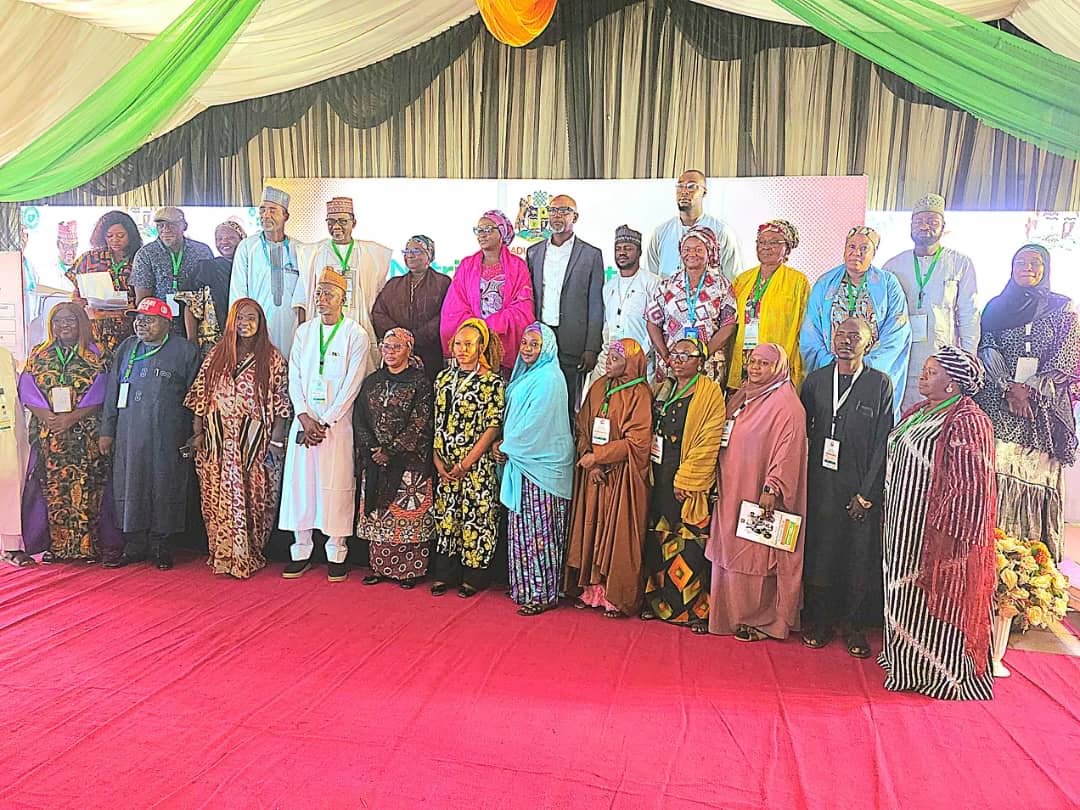
Kaduna State must do more to save its stunted children, Deputy Governor Dr. Hadiza Sabuwa Balarabe told stakeholders at the maiden Kaduna State Nutrition Investment Summit 2026.
Dr. Balarabe, who spoke Tuesday in Kaduna, said the state could not afford to be complacent in the face of disturbing malnutrition figures threatening the future of its children.
Citing findings from the 2023–2024 Nigeria Demographic and Health Survey, she disclosed that 40.7 percent of children under five in Kaduna were stunted, 5.9 percent were wasted, and 24.7 percent were underweight.
She described the figures as a wake-up call, warning that stunting affects not only a child’s physical growth but also brain development, learning ability, and future productivity.
According to her, every stunted child represents a lost opportunity for the state, as malnutrition undermines human capital development and perpetuates the cycle of poverty across generations.
The deputy governor therefore reaffirmed the state government’s commitment to strengthening nutrition policies, partnerships, and investments to reverse the trend and give every child the opportunity to grow up healthy and fulfill their potential.
She said the administration of Governor Senator Uba Sani remains committed to ensuring that nutrition occupies a central place in the state’s development agenda through sustained funding and multisectoral collaboration.
Her call aligned with the position of the Civil Society Scaling-Up Nutrition in Nigeria (CS-SUNN), which urged the government, the private sector, philanthropists, and development partners to deepen their financial commitment to tackling malnutrition in the state.
The Chairperson of the National Steering Committee of CS-SUNN, Mrs. Jessica Bartholomew, said that Kaduna had recorded progress in establishing nutrition policies and institutional structures. However, sustained financing was required to translate those gains into improved outcomes for children, pregnant women, and vulnerable households.
Bartholomew described the summit, themed “Investing in Nutrition, Securing the Future: Mobilizing Sustainable Financing for Human Capital Development,” as a significant milestone in the state’s efforts to prioritize nutrition.
She identified the establishment of a Committee on Food and Nutrition in the Kaduna State House of Assembly, the development of a multisectoral plan of action, and a nutrition policy document as some of the achievements recorded, adding that the state had allocated close to N5 billion to nutrition.
“CS-SUNN has been a driver of advocacy, pushing our government to support and see how to scale up nutrition interventions that will reduce malnutrition,” she said.
Bartholomew said the summit was designed to expand the conversation beyond government funding by bringing together the private sector, philanthropists, traditional leaders, and civil society organizations to explore collective financing solutions.
She expressed hope that the deliberations would generate additional commitments to raise nutrition investments in Kaduna State beyond N10 billion.
“We are here with the private sector, philanthropists, traditional leaders and civil society, to also see how we can join hands together with the government to invest more to solve the issue of malnutrition,” she said.
Responding to the call, the Commissioner for Planning and Budget, Mr. Ahmed Mukhtar, assured participants that recommendations from the summit would inform the state’s 2027 budget, which is currently being finalized.
He said nutrition would occupy a prominent place in the proposed budget, adding that evidence presented by stakeholders would guide government planning and spending priorities.
In a goodwill message, UNICEF’s Chief of Field Office in Kaduna, Dr. Gerida Birukila, represented by Dr. Idris Baba, highlighted the partnership between UNICEF and the state government through the Child Nutrition Fund.
She disclosed that Kaduna invested approximately $540,000 in nutrition supplies in 2024 and 2025, with UNICEF providing matching funds for therapeutic foods and micronutrient supplements. She also called for improved budget releases and dedicated nutrition budget lines across the state’s 23 local government areas.
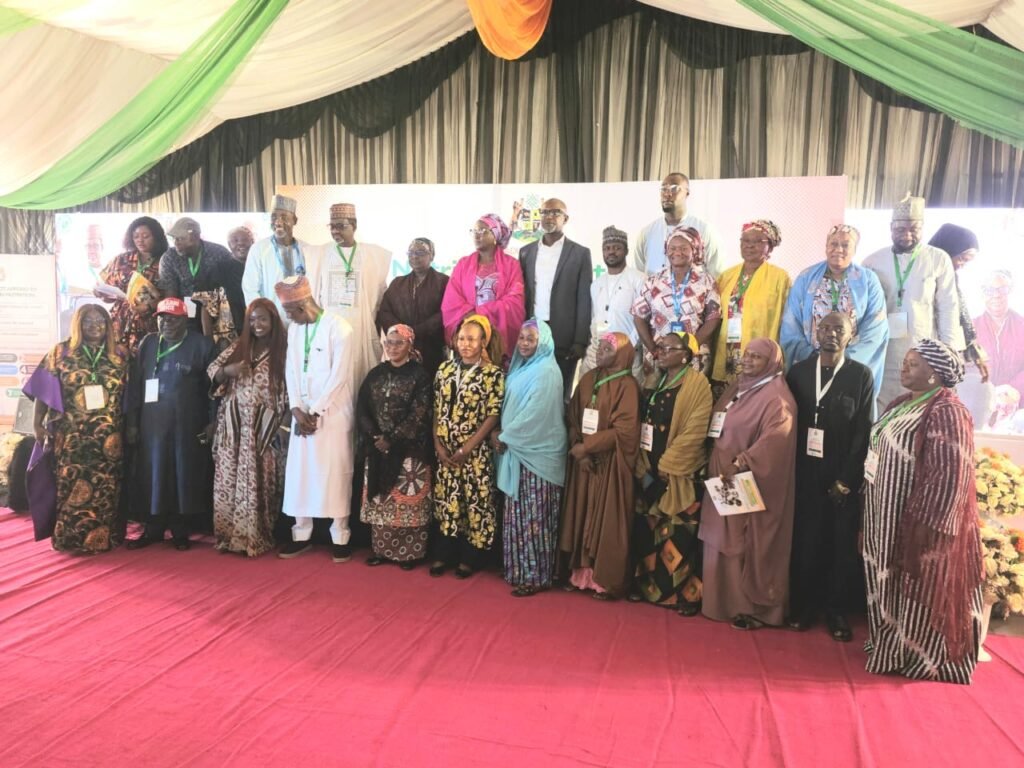
The summit brought together government officials, development partners, civil society organizations, traditional institutions, and private-sector representatives to mobilize resources and strengthen accountability for nutrition financing in Kaduna State, with a shared resolve to do more to save the state’s children from malnutrition.