


By Femi Mustapha in Kaduna
The United Nations Children’s Fund (UNICEF) used the 2026 World Children’s Day celebration to call for more special education schools in Kaduna State to expand learning opportunities for children with disabilities, particularly those in rural communities.
The Chief of Field Office for UNICEF Kaduna, Dr. Gerida Birukila, made the call Friday at the Kaduna State Special Education School, the venue for the celebration, which had the theme “My Day. My Rights. My Future.”
Birukila said children with disabilities were almost 50 percent more likely never to have attended school and faced a higher risk of being excluded from primary education, according to UNICEF data. She described the situation as a challenge to the global commitment to ensuring that every child enjoys the right to education, protection, and inclusion, regardless of disability or background.
She therefore urged the Kaduna State Government to establish more special education facilities and train a workforce capable of supporting children with various disabilities.
She expressed particular concern for children in rural communities, noting that even when parents were willing to enroll their children in school, the lack of adequate facilities often prevented them from accessing education.
“We are also calling for the use of technology, including artificial intelligence, to reach children in underserved communities and expand access to learning,” she said.
She further stressed the need for an inclusive curriculum that accommodates children with visual and hearing impairments, physical disabilities, and other special learning needs.
According to her, Kaduna State Special Education School could serve as a model for other parts of Nigeria and Africa. She added that UNICEF would raise the need for additional support and the establishment of more branches to reach children across the country.
“We will certainly raise the need for the school to receive more support and even establish additional branches so that we can reach Nigerian children wherever they may be,” she said.
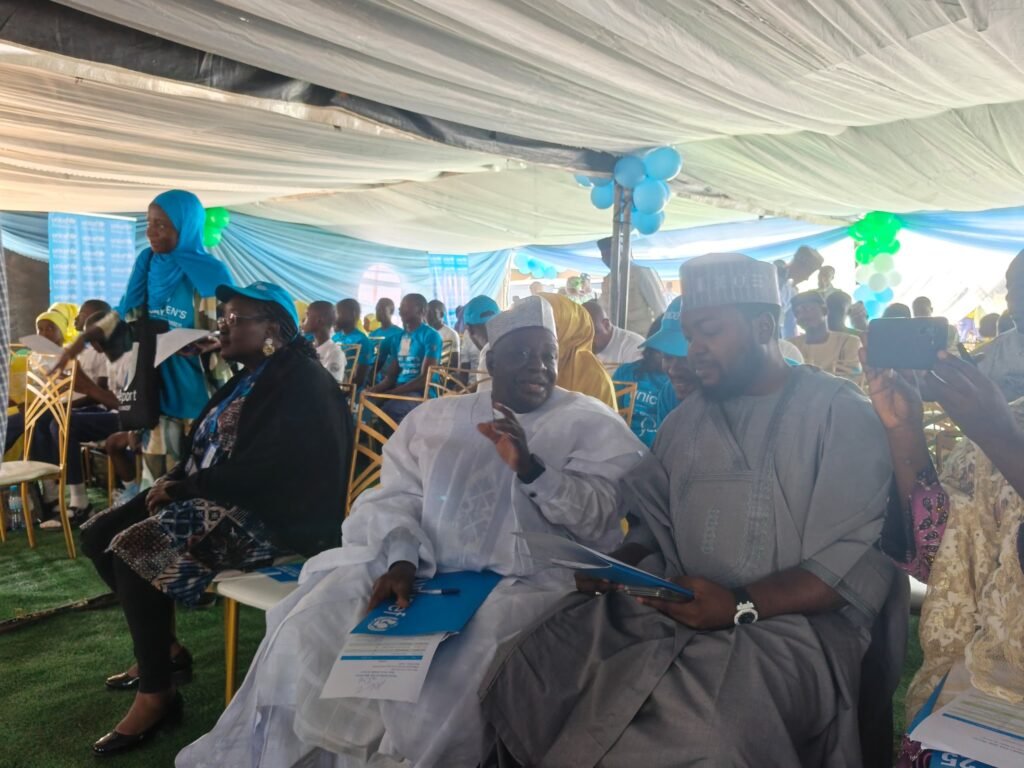
Responding to the appeal, Kaduna State Commissioner for Education Professor Abubakar Sani Sambo, who represented Governor Uba Sani, said he would communicate UNICEF’s recommendation to increase the number of special education schools to the governor.
Sambo also acknowledged the need to strengthen teacher training to ensure that educators in special schools have the skills required to support children with diverse disabilities. He said he had directed the Director of Planning in the Ministry of Education to note the recommendation for consideration in the ministry’s submissions to the governor.
The commissioner also recalled the constitutional provisions on employment opportunities for persons with disabilities, saying he would draw the governor’s attention to the need to create opportunities for children with disabilities to contribute to national development.
He reaffirmed the state government’s commitment to inclusive and equitable education under its SUSTAIN Agenda, including investments in school infrastructure, teacher development, learning materials, and school safety.
Earlier, Birukila recalled that UNICEF was established in 1946, following World War II, to protect children affected by emergencies. She noted that eight decades later, the world still faced challenges in ensuring that every child was protected and included.
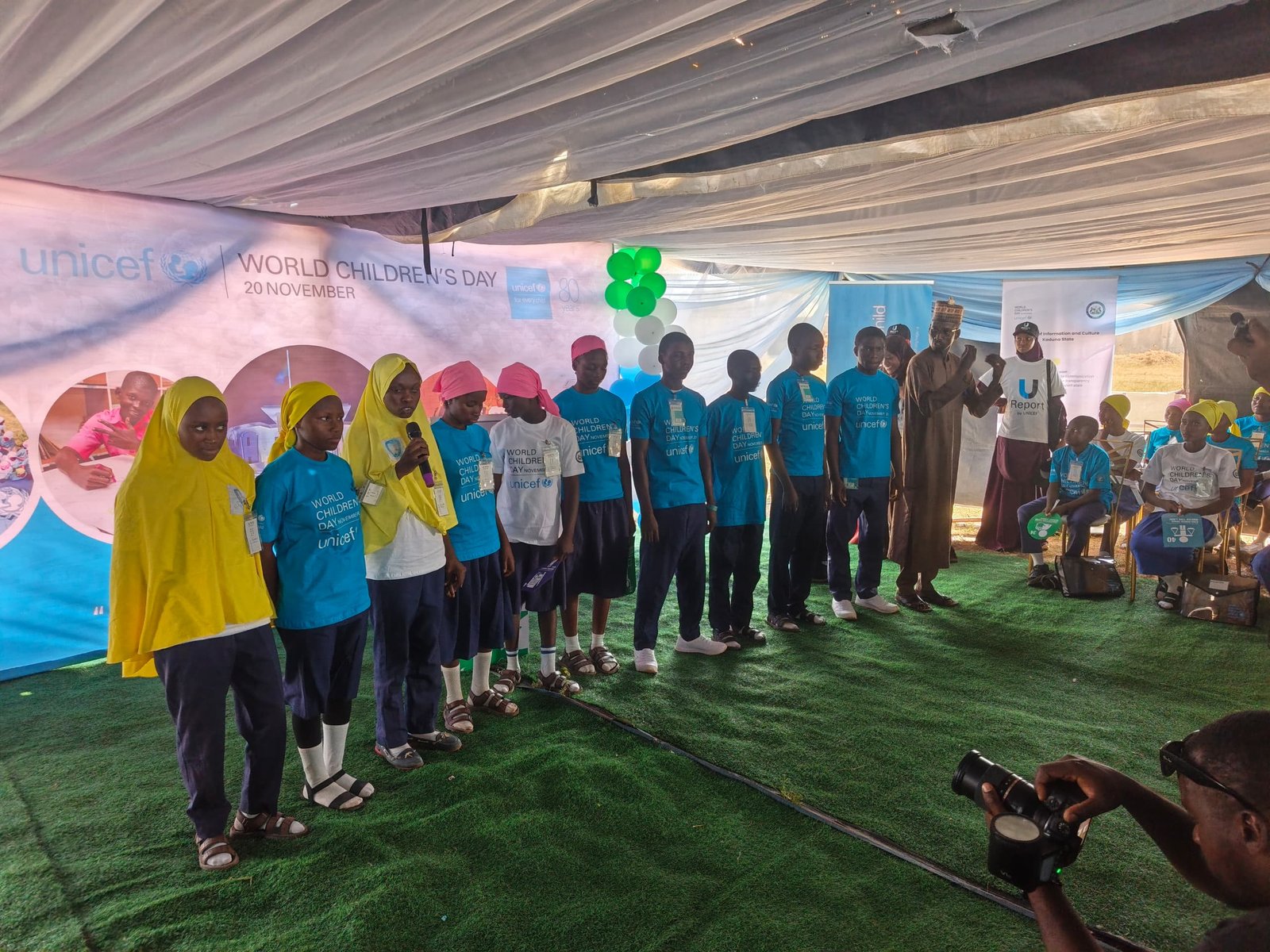
She said World Children’s Day provided an opportunity to renew commitments to children’s rights and ensure their voices were reflected in decisions affecting their future. This was demonstrated at the celebration, which featured presentations by children, including activities that highlighted their aspirations, rights, and challenges, and gave them a chance to express their views on issues affecting their lives.