



By Femi Mustapha, Kaduna
Civil society groups and media advocates have demanded the immediate disclosure of the Benin–Asaba Road concession agreement and the urgent repair of the deteriorated corridor, insisting that road users should not continue to suffer. At the same time, questions regarding financing, ownership, and accountability remain unanswered.
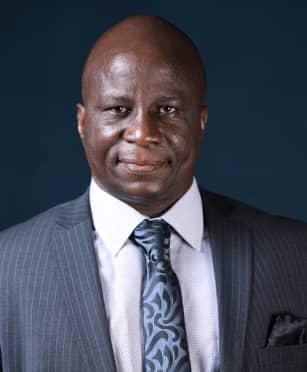
The call was made in a Media Advocacy Briefing Memo issued today by Rev. David Ugolor, publisher of _The Common Good Letter _, and made available to the media in Kaduna
According to the memo, the 125-kilometer highway connecting Edo and Delta States was approved by the Federal Executive Council in January 2023 under the Highway Development and Management Initiative. A 25-year concession with added value for the corridor was granted to the Africa Plus Consortium.
Public records cited in the briefing show that the concessionaire is expected to recover investments through tolls and other commercial activities within the right-of-way. The Infrastructure Concession Regulatory Commission (ICRC) has projected approximately ₦1.58 trillion in revenue over the concession period.
The memo also referenced the January 2024 announcement by the Obaseki administration of a reported ₦228 billion financing and equity arrangement involving InfraCorp and Triple A Infrastructure. The former governor stated that Edo State spent nearly ₦1 billion on remedial works and would participate as an equity investor.
It further noted that BAECC claims it mobilized in 2025, is privately financing the project, and aims to deliver the first 65 kilometers of the road by April 2027.
Despite these claims, Rev. Ugolor said critical documents remain undisclosed, including the full, signed concession agreement, schedules, amendments, and clarification on the reported ₦87.26 billion commercial close value and its relationship to both the ₦228 billion package and the ₦1.58 trillion projected revenue.
Other unresolved issues listed in the briefing include the shareholders and beneficial owners of BAECC, the full membership and equity structure of Africa Plus Consortium, and the value and current status of Edo State’s equity stake.
The memo also questioned who authorized the reported removal of about 30 kilometers of asphalt, what happened to the removed material, and whether the required performance bonds, bank guarantees, and insurance policies are valid and enforceable. It also sought clarity on provisions for FERMA or other emergency government interventions on the concessioned corridor.
“CORE POSITION: A concession does not extinguish government responsibility. Private capital may finance and manage the corridor, but public authorities remain responsible for contract enforcement, safety, transparency, and protecting the public interest,” Rev. Ugolor stated.
The advocates outlined key demands, including publishing the contract, the business case, performance standards, the toll model, and risk allocations; reconciling all publicly cited figures; disclosing financial commitments; and publishing the SPV shareholder register and beneficial ownership details.
They also called for an agreed, time-bound emergency traffic and palliative plan, an independent forensic engineering review of pavement removal and drainage, confirmation of the status of bonds and guarantees, and monthly updates on verified progress, spending, and safety measures.
Rev. Ugolor emphasized that the campaign is not an accusation of any wrongdoing but a push for transparency and accountability.
“A concession cannot serve as a shield behind which government and private investors hide while citizens suffer,” he said. “Publish the contract, explain the money, identify the owners, and protect road users.”
The memo recommended that journalists question the Federal Ministry of Works and the ICRC about why the agreement has not been published and what remedies and rights to intervene exist. It also raised questions for BAECC and Africa Plus Partners regarding SPV ownership and who approved the pavement removal; for the Edo State Government regarding equity commitments and approvals; and for InfraCorp, Triple A, and Afrinvest regarding their specific financing and advisory roles.
It further suggested that former Governor Obaseki and Ike Chioke be asked whether their previous professional relationships were disclosed and whether any safeguards were in place to prevent conflicts of interest. At the same time, a dent engineer should evaluate what work was certified and what failed.
Immediate actions include coordinated Freedom of Information requests to the Federal Ministry of Works, ICRC, BPE, and Edo State authorities within 48 hours; a media briefing with road users, transporters, and engineers within 7 days; and a preliminary transparency scorecard within 14 days.
Rev. Ugolor urged editors and reporters to differentiate between verified facts, statements by interested parties, unanswered questions, and allegations, and to offer the right of reply to all individuals and institutions mentioned, including BAECC, APP, InfraCorp, Triple A, Afrinvest, former Governor Obaseki, and Ike Chioke.
The Benin–Asaba Road must become a test of whether Nigeria can combine private finance with public accountability,” he said.
“The public needs an operational road immediately and a transparent contract investigation concurrently. One should not be used to delay the other.”