


By TheDailyNewsHub Reporter
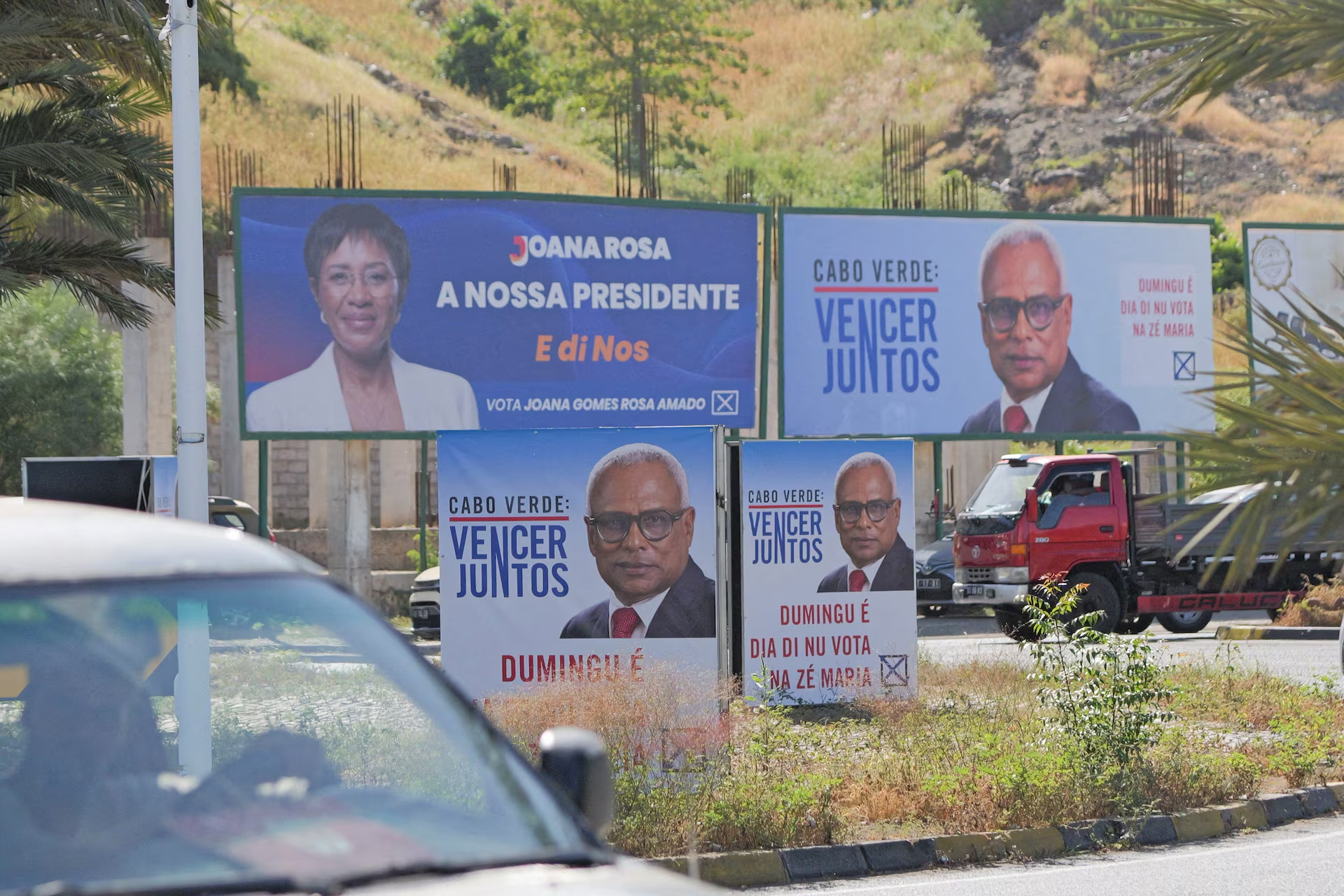
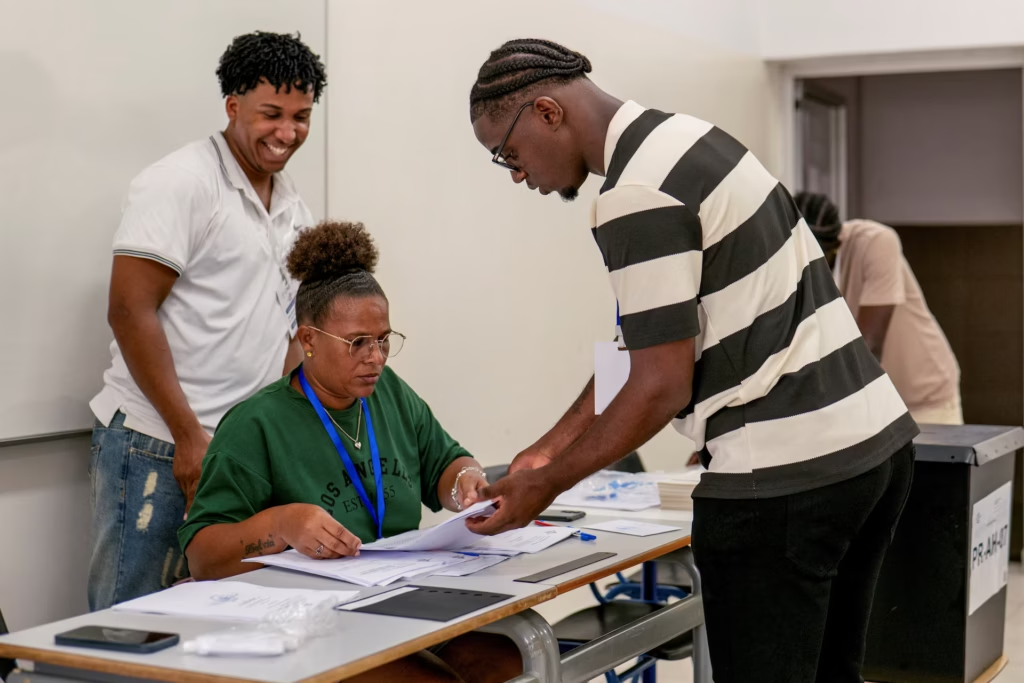
Voters in Cabo Verde are casting ballots in a presidential election that could give incumbent President José Maria Neves another five-year term or make history with the country’s first woman president since independence.
Polling began at 8:00 a.m. local time on Sunday, November 15, with six candidates contesting the presidency in the West African island nation. Neves, who was elected in 2021, is seeking a second and final consecutive term under the country’s constitutional provisions.
His main challenger is former Justice Minister Joana Rosa Amado, who is making history as the first woman to contest the country’s presidential election. She is backed by the opposition Movement for Democracy (MpD).
Four other candidates are also on the ballot, bringing the total number of contenders to six.
The election is taking place against the backdrop of concerns about youth unemployment, migration, economic opportunities and the country’s development priorities. Although Cabo Verde has maintained a record of competitive elections and peaceful transfers of power, many young citizens continue to leave the country in search of education and employment opportunities abroad.
Neves, 66, has campaigned on continuity, experience and cooperation across political lines. He has promised to encourage improvements in housing, healthcare and education, create employment opportunities and pursue better wages and living conditions.
The incumbent previously served as prime minister from 2001 to 2016 and is supported by the African Party for the Independence of Cabo Verde (PAICV), which secured the largest number of seats in the May 2026 parliamentary election.
The party won 37 of the 72 seats in the National Assembly, allowing it to form the government under Prime Minister Francisco Carvalho.
Rosa, 61, a lawyer and former justice minister, has focused her campaign on political accountability, economic opportunities and maintaining a balance of power within the country’s institutions.
Running under the slogan “Listen to Cabo Verde”, she has argued that the country needs stronger political oversight and policies that respond more directly to the concerns of ordinary citizens.
Her candidacy has also attracted attention because no woman has previously contested the presidency since Cabo Verde gained independence from Portugal in 1975.
Rosa has said that electing a woman would send an important message to young women and girls that the country’s highest political offices are open to them.
The other candidates in the race are Antero Lúcio Lopes Francês Tavares, Casimiro Jesus Lopes de Pina, Gilson João dos Santos Alves and Loisito Tavares de Sousa.
Cabo Verde operates a parliamentary-presidential system in which the prime minister leads the government and exercises most executive powers, while the president serves as head of state.
Although the presidency is less directly involved in day-to-day government administration, the office carries constitutional responsibilities, including the power to veto legislation and play a mediating role in national political affairs.
The election is therefore also being watched as a test of the country’s political balance following the parliamentary victory of the PAICV earlier this year.
Voting is scheduled to continue until 6:00 p.m. local time, with provisional results expected after polling stations close. The final outcome will depend on whether any candidate secures more than half of the valid votes.
Under the country’s electoral system, a candidate must obtain an absolute majority to win in the first round. If none achieves that threshold, the two candidates with the highest number of votes will proceed to a runoff scheduled for November 29.
Cabo Verde has a population of approximately 500,000 people, while a substantial diaspora lives abroad, particularly in Portugal and the United States. Citizens living overseas are also eligible to participate in the presidential election.
The African Union has deployed an election observation mission comprising 37 short-term observers from 22 member states to assess the electoral process.
The election comes as Cabo Verde continues to attract attention for its democratic stability in a region that has experienced military coups and political instability in recent years.
The results will determine whether Neves secures another term or whether the country enters a new political chapter under a different president.