


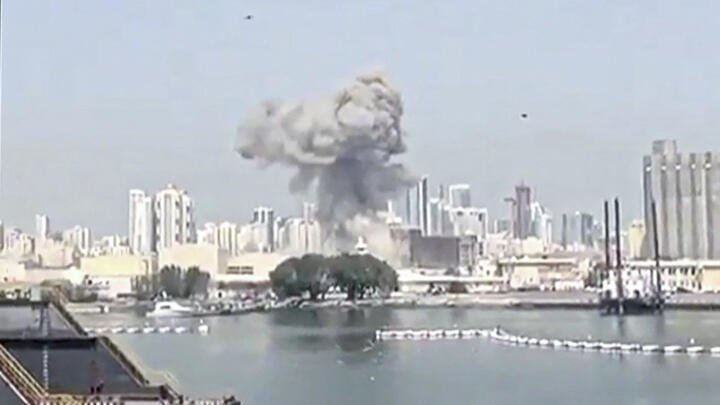
Gulf countries have reported attacks and activated air-defence systems following US strikes on Iran’s Qeshm Island, raising fresh concerns about escalating tensions across the Middle East and the security of critical regional shipping routes.
Kuwait said on Wednesday, November 18, that its air defences were responding to drone threats, while Bahrain reported intercepting Iranian attacks. Saudi Arabia also said it intercepted a cruise missile launched towards Riyadh by Yemen’s Iran-backed Houthi movement.
The developments followed US strikes on Qeshm Island, a strategic Iranian territory located in the Strait of Hormuz, a major route for global oil and gas shipments. A US official told AFP that American fighter jets used precision munitions to target an Islamic Revolutionary Guard Corps missile-launch site on the island.
Iranian state media cited a regional official as saying the strikes caused no serious damage, although the United States said the operation was carried out in response to Iranian attacks targeting American personnel and military assets.
Kuwait’s military said its air-defence systems were responding to what it described as hostile drone threats and urged residents to follow official security instructions. Iran’s military, meanwhile, claimed its drones targeted US military installations at Ali Al-Salem Air Base in Kuwait, including air-defence and missile-launch facilities.
Bahrain also reported intercepting attacks from Iran. The country hosts the US Navy’s Fifth Fleet and has been among the Gulf states affected by the widening conflict. Iranian Revolutionary Guards previously claimed they targeted a US-operated radar system at Sheikh Isa Air Base in Bahrain, while Bahraini authorities said their air defences intercepted incoming attacks.
The latest incidents have heightened concerns that the conflict could increasingly affect Gulf countries hosting American military facilities, even as diplomatic efforts continue to prevent a wider regional war.
In Saudi Arabia, the Saudi-led coalition fighting Yemen’s Houthi movement said it intercepted and destroyed a cruise missile launched towards the Riyadh area. The Houthis have continued to expand their military activity in Yemen, raising concerns about additional threats to regional security and shipping.
The developments also come amid continued attacks on vessels operating in the Strait of Hormuz. The United Arab Emirates’ state oil company, ADNOC, reported that one of its vessels was struck in the waterway late Tuesday, leaving one crew member missing and 11 others injured, according to reports. Search-and-rescue operations were reportedly continuing.
The Strait of Hormuz remains one of the world’s most strategically important maritime corridors, carrying a substantial share of international oil shipments. Any prolonged disruption to shipping through the waterway could affect global energy markets, fuel prices and trade.
The renewed hostilities come as the United States and Iran remain locked in a confrontation over maritime access, military operations and efforts to contain the conflict. Washington has deployed naval forces to the region and has been escorting vessels through the waterway amid Iranian attempts to restrict movement.
The latest escalation has also added pressure to global oil markets, which have already been affected by conflict-related disruptions to production, shipping and energy infrastructure. TheDailyNewsHub has previously reported on oil prices spiking after Trump rejected an Iran truce offer, as well as Iran tightening its grip on the Strait of Hormuz.
With attacks and interception operations continuing across the region, concerns are growing that further military action could undermine diplomatic initiatives and extend the conflict beyond Iran into neighbouring Gulf states.
Authorities in the affected countries have urged residents to follow official security guidance as regional tensions remain elevated.