


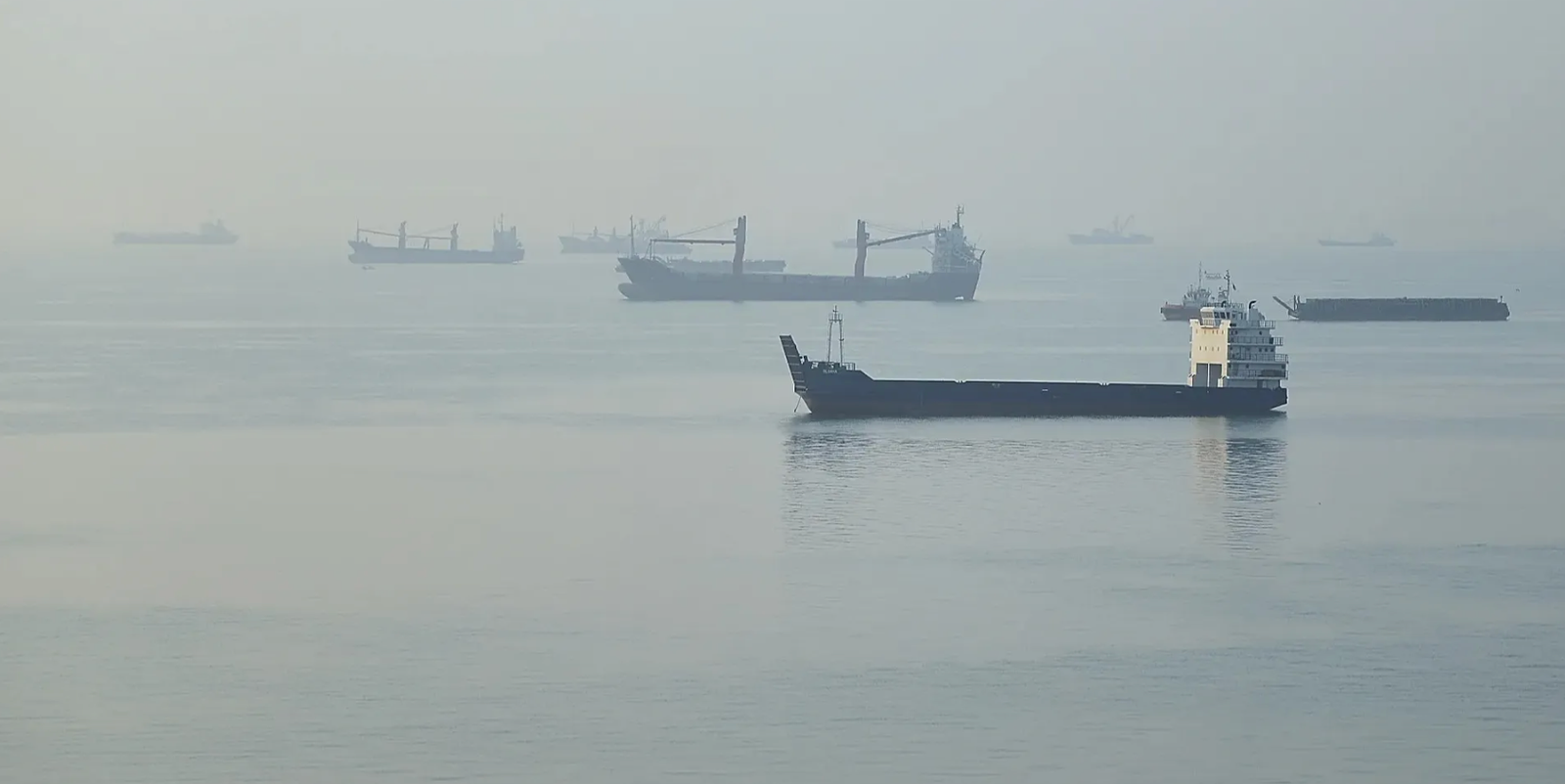
Iran’s Islamic Revolutionary Guard Corps (IRGC) has claimed that two oil supertankers caught fire after striking naval mines in the Strait of Hormuz, escalating tensions over control of one of the world’s most important maritime routes.
The IRGC Navy announced the incidents on Saturday, October 17, 2026, saying the vessels were carrying more than two million barrels of crude oil each and had attempted to navigate the waterway through routes Tehran considered unauthorised.
In its initial statement, the Guards said the first supertanker struck a mine while attempting to pass through the strait, triggering an explosion and a fierce fire. The military later reported a second incident, claiming another supertanker had suffered a massive blaze after hitting a naval mine.
Iranian authorities did not identify either vessel or disclose their precise locations. They also provided no confirmed information about the crews, possible casualties, the extent of the damage or potential oil spills. The claims had not been independently verified in the reports available at the time of publication.
The IRGC accused the vessels of switching off their positioning and radar systems while attempting to use routes that had not been authorised by Iranian authorities. It said the first tanker was carrying more than two million barrels of crude oil and described the explosion as a consequence of violating its navigation restrictions.
The latest claims come amid a growing confrontation between Iran and the United States over access to the Strait of Hormuz. Tehran has imposed restrictions on shipping through the strategic waterway during the conflict, insisting that vessels coordinate their movements with Iranian authorities.
Washington and its regional allies have rejected Iran’s restrictions, maintaining that commercial shipping should be able to navigate the international waterway safely. The United States has also imposed a naval blockade on Iranian ports as part of its campaign to restrict Tehran’s oil revenues.
The competing accounts have raised questions about the circumstances surrounding recent attacks on commercial vessels. While Iran has attributed some incidents to naval mines, the US military has disputed that explanation in certain cases, saying ships were struck by projectiles. US Central Command has also rejected Iran’s claim that Tehran controls the strait.
The latest reports follow a series of attacks on commercial shipping in and around the Strait of Hormuz this month. On October 14, the Singapore-flagged container ship GFS Pride and the Antigua and Barbuda-flagged bulk carrier Cape Dao sank after separate incidents involving projectiles, according to Reuters. The crew of the GFS Pride was safely evacuated, while one crew member aboard the Cape Dao was reported killed.
The incidents have heightened concerns among shipping companies, energy traders and governments about the safety of vessels travelling through the Gulf. The Strait of Hormuz connects the Persian Gulf with the Gulf of Oman and is a critical route for international oil and gas shipments.
Any confirmed damage to supertankers carrying millions of barrels of crude could have serious implications for maritime safety, environmental protection and energy markets. A substantial oil spill could also threaten marine ecosystems and coastal communities, although no spill has been confirmed in connection with the latest claims.
The reported fires add to uncertainty over whether commercial vessels can continue operating safely in the region as Iran and the United States contest control of the waterway. Further information from maritime authorities and independent shipping monitors will be needed to establish the vessels’ identities, the causes of the incidents and the extent of any damage.