


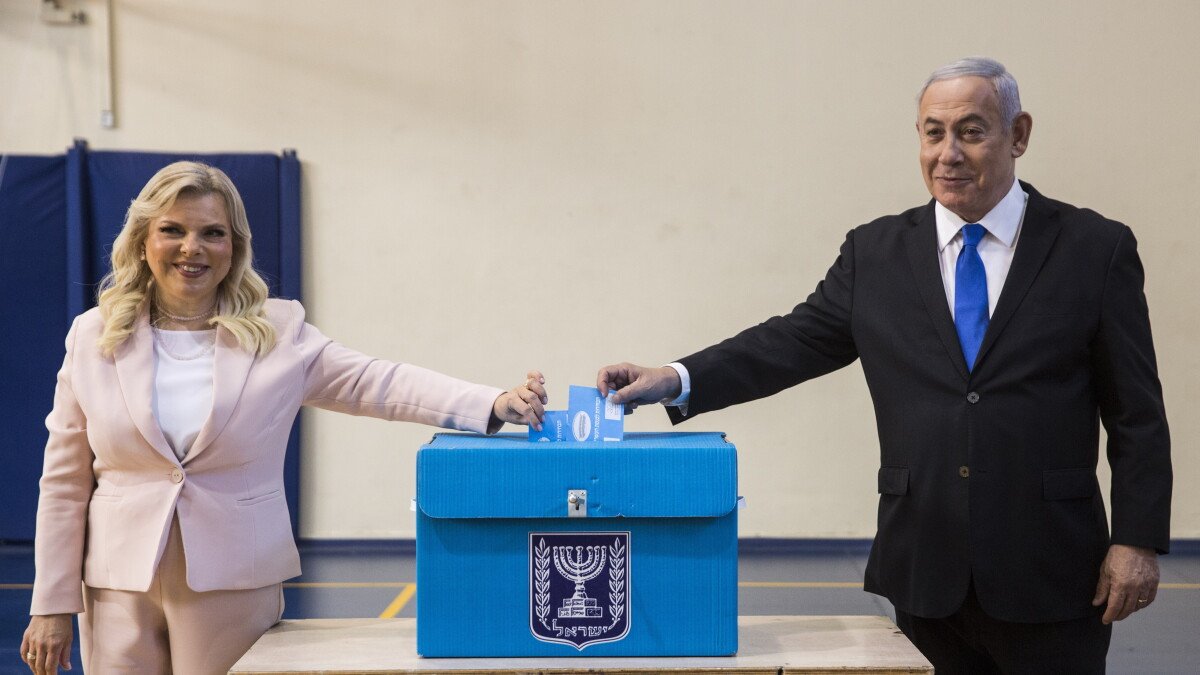
Israeli voters headed to polling stations on Tuesday, October 27, in a closely contested parliamentary election that could determine the political future of Prime Minister Benjamin Netanyahu after years of conflict and mounting criticism of his leadership.
The election is Israel’s first since the Hamas-led attacks of October 7, 2023, which triggered the Gaza war and contributed to wider regional conflict. Netanyahu’s record on national security, the handling of the attacks and the country’s international standing have featured prominently in the campaign.
Netanyahu, Israel’s longest-serving prime minister, faces a strong challenge from opposition forces associated with former military chief Gadi Eisenkot. While Netanyahu has presented his security record as a reason to remain in office, opponents have questioned his government’s handling of the October 7 attacks and other domestic issues.
The contest is expected to be tight, with pre-election polls suggesting that neither the incumbent’s bloc nor the opposition may secure the 61 seats required for a majority in the 120-member Knesset, Israel’s parliament.
Israel operates a proportional representation system in which voters choose political parties rather than directly electing a prime minister. As a result, the final outcome will depend not only on the votes each party receives but also on negotiations among political groups seeking to form a governing coalition.
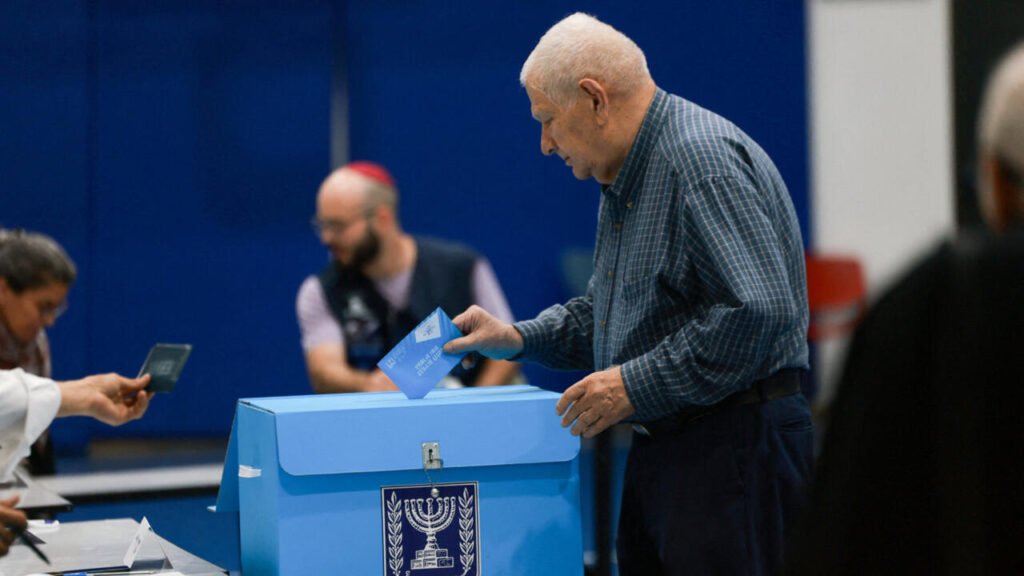
Polling stations opened at 7 a.m. local time and are scheduled to close at 10 p.m. Exit polls are expected shortly after voting ends, although the final distribution of seats and the formation of a government could take longer.
President Isaac Herzog will consult political leaders after the results are finalised and nominate the lawmaker considered most likely to assemble a governing coalition. The nominee will then have a limited period to secure the support needed to form a government.
The election is being closely watched internationally because its outcome could shape Israel’s future security policy, relations with the United States and approach to the Palestinian territories. With neither side assured of a parliamentary majority, coalition negotiations may prove decisive in determining Netanyahu’s political future.