


By Femi Mustapha in Kaduna
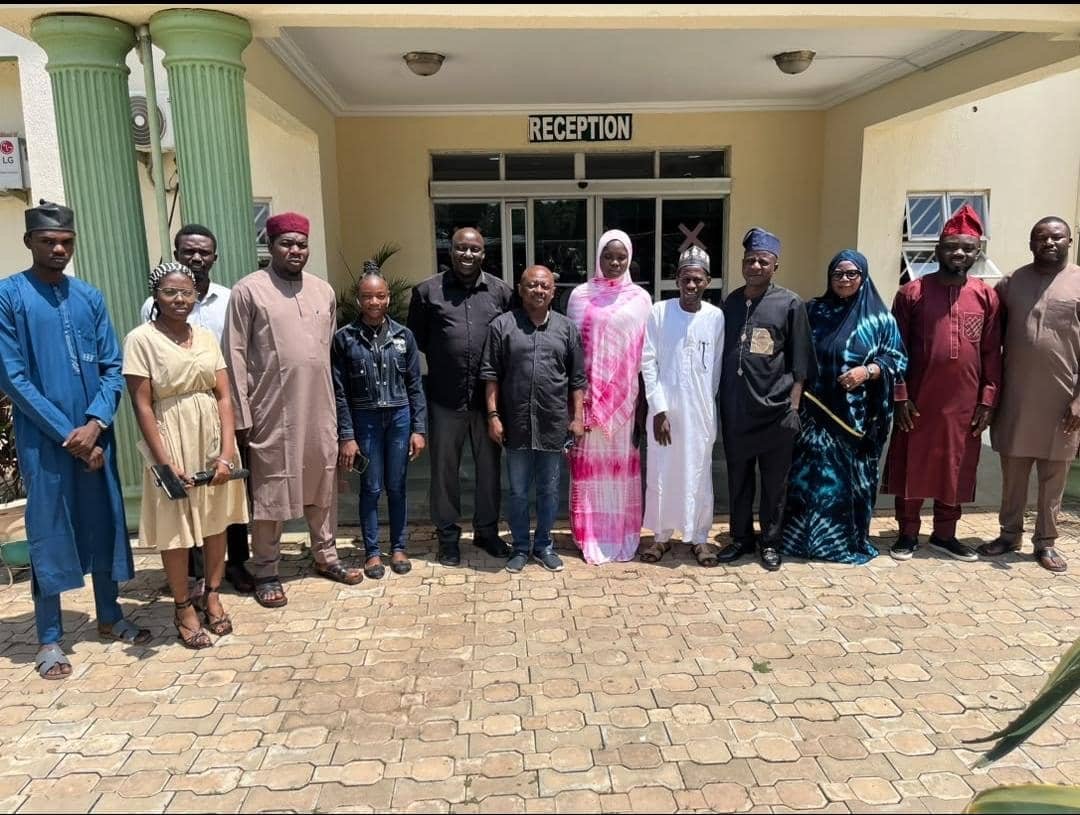
The Lafiya Program, supported by the Foreign, Commonwealth & Development Office (FCDO) in collaboration with Kaduna Local Government Accountability Mechanism (KADLGAM), has trained civil society organizations, youth advocates, media personnel, and other stakeholders on tracking Sexual and Reproductive Health and Rights (SRHR) budget allocations, releases, and performance to promote transparency and accountability in Kaduna State.
The two-day Technical Program on Tracking SRHR Funds Release and Performance was held from Friday, September 18th to Saturday, September 19th, 2026, at NEARLS Suite, ABU Zaria.
According to a communiqué signed by the Co-Lead, Gender and Social Inclusion, of the Youth Advocacy Coalition on Demographic Dividend, Patience Fredrick, the training brought together representatives from civil society organizations, youth advocacy platforms, community groups, the media, government, and other relevant stakeholders.
The communiqué stated that the program aimed to enhance participants’ ability to track SRHR budget allocations, releases, expenditures, and implementation, while also strengthening the connection between financial data and service delivery at Primary Healthcare Centers (PHCs).
Participants discussed the importance of monitoring the flow of funds from budget approval and release to expenditure and facility-level implementation. They emphasized the need to compare the Annual Operational Plan (AOP) with the approved budget to obtain precise information on specific SRHR budget lines.
Stakeholders also recognized the importance of working with Lafiya and other partners to gather information on the supply of medicines, commodities, and other essential items to PHCs. They encouraged civil society organizations to understand and document the financial contributions of development partners to SRHR initiatives.
A key highlight of the training was the creation of an SRHR scorecard used to identify critical issues related to funding releases and implementation gaps. Participants proposed that the scorecard findings be presented to relevant government stakeholders, the OGP Steering Committee, and other accountability platforms.
The communiqué highlighted the importance of engaging the media and scheduling quarterly accountability sessions to present and discuss findings as part of efforts to enhance transparency.
During the training, Mr. Goje Yusuf introduced a plan the decentralize the SRHR tracker across all 225 wards through KADLAM. He explained that this information flow would connect community monitors, Ward Development Committees (WDCs), KADLAM, Local Government Area (LGA) structures, zonal coordination, and the OGP Civil Society Secretariat.
Participants agreed on the need to standardize evidence collection and submission, validate community findings before escalation, and document feedback, responses, and follow-up actions. This approach aims to create a clear system in which verified community evidence can inform monitoring, advocacy, and accountability.
The training outlined next steps, including further collection of SRHR data, developing a second scorecard based on third-quarter budget performance, organizing virtual discussions on SRHR findings, presenting the scorecard at the OGP Steering Committee meeting, and conducting step-down training through relevant Technical Working Groups.
The communiqué concludes that effective SRHR financial tracking depends on reliable financial data, community-level evidence, ongoing stakeholder engagement, and consistent follow-up on identified gaps.
Participants expressed their commitment to applying the knowledge and strategies acquired during the training to improve transparency, monitoring, and accountability in SRHR funding and service delivery within Kaduna State.