


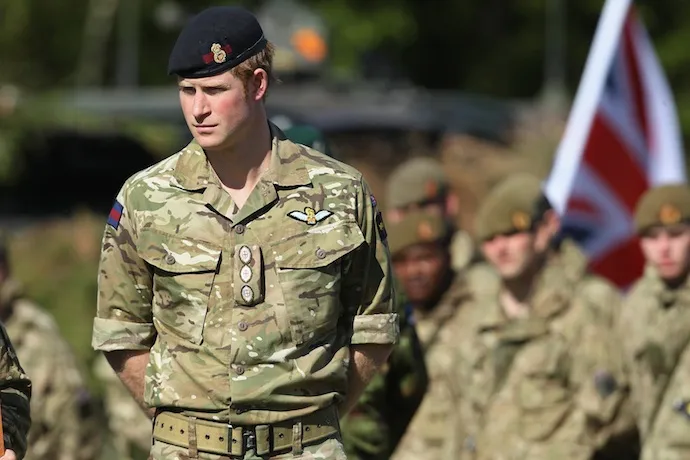
Britain’s Prince Harry has said he would be willing to return to military service and fight Russia if required, warning that the United Kingdom and its allies should remain prepared for escalating security threats.
The Duke of Sussex made the remarks during an interview with The Telegraph’s Ukraine: The Latest podcast while on a visit to Lviv, western Ukraine.
Harry, who served in the British Army for ten years and completed two frontline tours in Afghanistan, said he would be ready to serve alongside fellow veterans and serving military personnel if his country needed him again.
“If asked to sign up again, if the need is there, then I will 100% be there to serve my country, alongside my fellow veterans and service personnel,” he said.
The prince also argued that Britain had effectively been in conflict with Russia for years, despite the absence of direct military attacks on British territory.
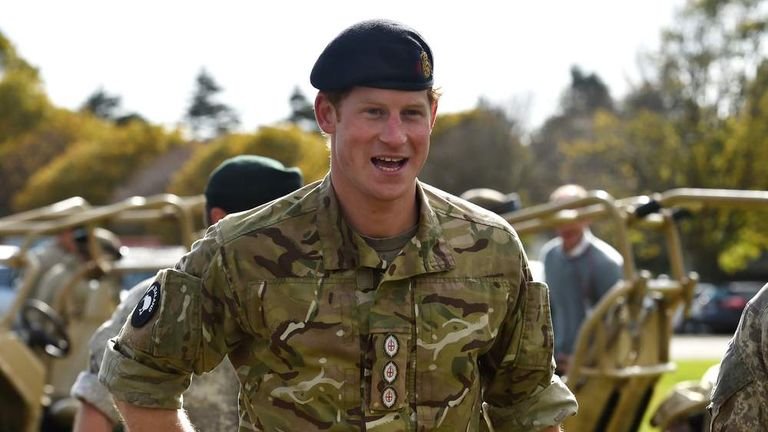
“Just because there’s not drones, bullets and rockets flying at us, that doesn’t mean that we’re not at war,” he said, adding that he believed the country had been at war for the past decade.
Harry said there was much the international community could learn from Ukraine’s experience of resisting Russia’s full-scale invasion, which began in February 2022.
He also urged people with previous military experience to remain prepared, saying that former service personnel should be ready to contribute again if circumstances required it.
Asked whether he was concerned about the security situation in Britain and whether people should prepare for possible emergencies, Harry responded that people should be nervous and prepared.
The interview also touched on the war in Ukraine and the international response to Russia’s invasion.
Harry criticised what he described as a gap between the strong support for Ukraine among sections of the American public and the approach adopted by the administration of US President Donald Trump.
He said Europe had increasingly presented a united position on the conflict and expressed hope that the United States would provide greater support for Ukraine.
The Duke of Sussex made the comments during his fourth visit to Ukraine since Russia launched its full-scale invasion.
During the trip, he met Ukrainian war veterans, visited facilities supporting people injured in the conflict and attended activities connected to the selection of Ukrainian athletes for the 2027 Invictus Games.
Harry founded the Invictus Games in 2014 to provide an international sporting platform for wounded, injured and sick military personnel and veterans.
The initiative has become a major part of his work supporting former service personnel, particularly those dealing with physical injuries and psychological challenges arising from military service. His commitment to veterans’ welfare also reflects wider efforts in the UK, including the push for improved welfare and support for military veterans.
The prince also discussed plans for a new global initiative aimed at helping military veterans find employment after leaving the armed forces.
He argued that the skills acquired during military service, including leadership, discipline, teamwork and resilience, were often undervalued in civilian employment.
Harry served in the British Army from 2005 until 2015, rising to the rank of Captain. His military career included two deployments to Afghanistan, where he served as an Apache helicopter pilot.
Following his departure from the military, he continued supporting veterans through the Invictus Games and other initiatives focused on rehabilitation, mental wellbeing and opportunities for former service personnel.
His latest comments have drawn attention because of his personal military background and the continuing security implications of Russia’s war against Ukraine.
However, Harry has not announced any formal plan to rejoin the British Armed Forces. His statement was conditional, expressing willingness to serve again if the need arose.
The full interview was scheduled for release on the Ukraine: The Latest podcast on Thursday, November 19.
His remarks come as European governments continue to assess the security challenges posed by Russia and strengthen defence preparedness amid concerns about military threats, cyber operations, sabotage and disinformation.