


The United Kingdom has presented a cautious budget aimed at supporting households and businesses while maintaining confidence in the country’s public finances, as elevated borrowing costs and persistent inflation continue to constrain government spending.
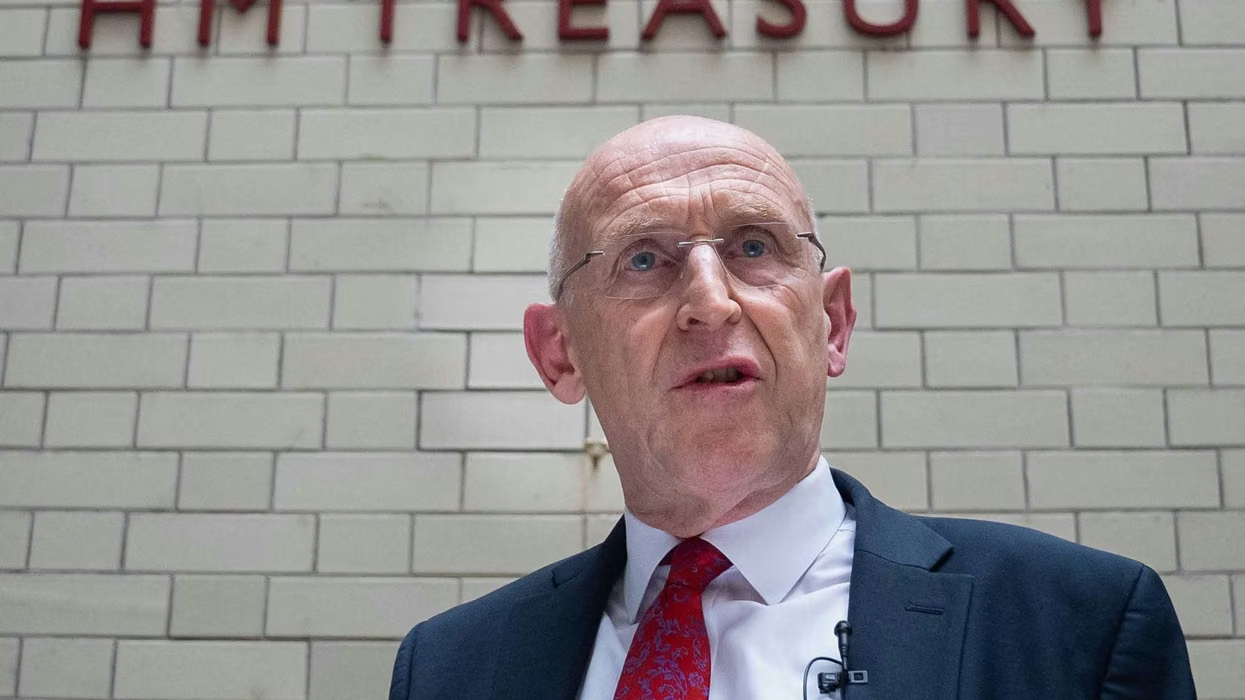
Chancellor of the Exchequer John Healey delivered his first budget on Wednesday, October 28, describing it as a response to difficult global economic conditions. The government announced temporary support measures for households facing higher energy costs, alongside plans to protect its commitment to responsible public spending.
One of the key measures is a £100 energy payment for households, accompanied by an extension of electricity VAT relief and continued support through fuel-duty measures. The government said the interventions were intended to provide some relief from rising living costs without creating a major additional burden on public finances.
However, the budget leaves the government with limited room for manoeuvre. The Office for Budget Responsibility’s updated assessment put the government’s fiscal headroom at approximately £15 billion for the 2029/30 financial year, down from £23.6 billion in March. Fiscal headroom represents the amount by which the government expects to meet its fiscal rules, providing a financial buffer against unexpected economic changes.
The economic outlook also remains challenging. The government’s growth forecast for next year was reduced from 1.6 per cent to 1 per cent, while inflation projections were raised. Higher energy prices, linked partly to the conflict involving the United States and Iran, have contributed to inflationary pressures and increased uncertainty over the cost of living.
The pressure on public finances has been intensified by the rising cost of servicing government debt. Higher yields on UK government bonds mean the Treasury must pay more to borrow, while inflation also increases payments on inflation-linked debt. Official figures released ahead of the budget showed that government borrowing reached £24.5 billion in September, while debt-interest payments rose to £10.9 billion, the highest September figure since records began.
The budget also includes a £20.4 billion investment programme and a smaller-than-expected increase in the bank-profit tax surcharge. The latter measure was among the developments that helped support bank shares following the announcement. Healey is also seeking to maintain the government’s existing fiscal framework, which requires day-to-day spending to be covered by tax revenues.
Financial markets responded relatively calmly after the budget. Government bond yields edged lower on Thursday, sterling remained broadly stable and UK shares recorded modest gains. The reaction suggested that investors did not view the announcement as a significant threat to the government’s fiscal credibility, although borrowing costs remain elevated.
The Institute for Fiscal Studies said the budget contained a relatively modest cost-of-living package and several tax measures, while warning that public-service spending plans could remain difficult to deliver. Analysts have also pointed to unresolved questions about future defence spending, welfare costs and the government’s ability to meet its longer-term commitments without additional tax increases or spending reductions.
Major decisions on longer-term spending priorities have largely been left for the government’s 2027 Spending Review. This means departments and public services could face further uncertainty over future funding, particularly as the government balances defence commitments against pressure to maintain public services and support economic growth.
The budget therefore offers short-term assistance to households and businesses while leaving several significant fiscal challenges unresolved. With inflation, energy prices and debt-servicing costs continuing to influence the economic outlook, the government’s ability to rebuild its financial buffer and deliver its spending commitments will remain under close scrutiny.