


By TheDailyNewsHub Reporter
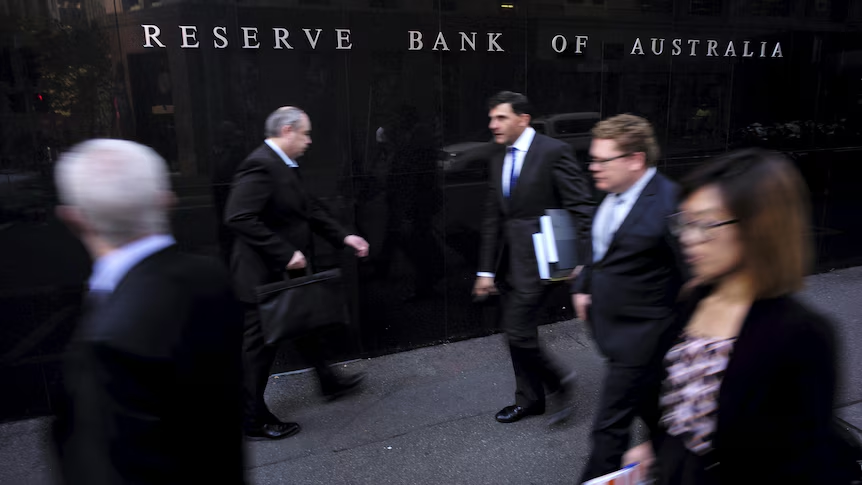
Australia’s central bank has raised interest rates to their highest level in 18 years, increasing borrowing costs for households and businesses as it intensifies efforts to control persistent inflation.
The Reserve Bank of Australia (RBA) announced on Tuesday, November 3, that it had increased its official cash rate by 0.25 percentage points, from 4.60 per cent to 4.85 per cent.
The latest adjustment represents the fifth interest rate increase in 2026 and takes the benchmark to its highest level since late 2008.
The decision was not unanimous, with six members of the nine-member Monetary Policy Board voting for the increase, while three preferred to leave rates unchanged.
The RBA said inflation remained elevated and had become broad-based, with higher fuel and commodity prices, domestic capacity pressures and rising technology-related costs contributing to the situation.
The bank also warned that inflation could remain above its target range of 2 to 3 per cent through much of 2027. Its latest forecasts indicate that inflation may not return to the upper end of the target range until late next year.
RBA Governor Michele Bullock has maintained that controlling inflation remains a priority, arguing that allowing price pressures to persist could create greater economic difficulties in the future.
The increase is expected to place additional pressure on Australian households with mortgages, as banks may pass on higher borrowing costs to customers. According to estimates reported by Australian media, repayments on a mortgage of A$700,000 could rise by approximately A$107 monthly following the latest adjustment.
However, savers may benefit if financial institutions increase interest rates on savings accounts and deposits.
Despite approving another increase, the divided vote suggests policymakers are becoming less certain about the need for further tightening. The RBA also removed language that had previously indicated it could raise rates further if necessary.
Financial markets have consequently increased expectations that the central bank could leave rates unchanged at its December meeting, although another increase remains possible if inflation proves persistent.
The decision highlights the difficult balance facing Australian policymakers as they attempt to bring inflation under control without placing excessive pressure on economic growth, employment and household finances.