


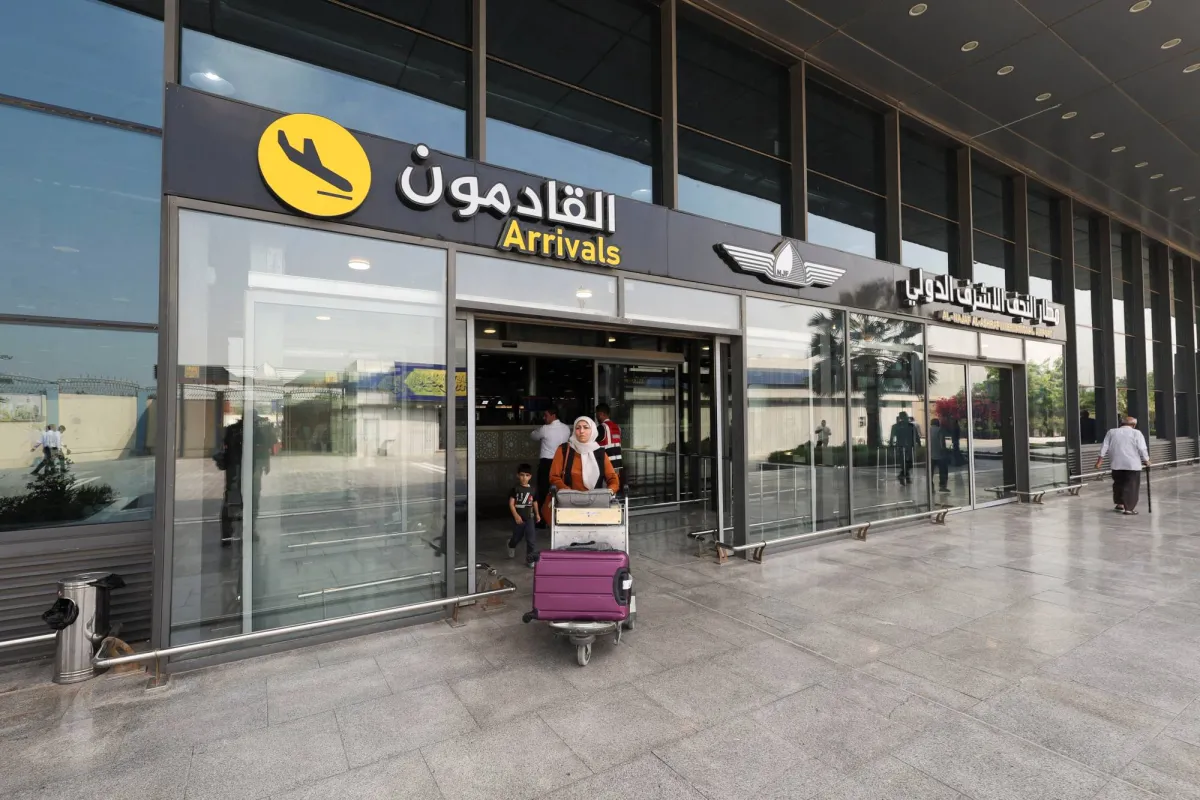
Iraq’s Najaf International Airport has suspended all flights to and from Iran, disrupting a major air route between the two neighbouring countries as Baghdad moves to comply with new United States sanctions targeting Iran’s aviation sector.
The suspension took effect at 2 a.m. local time on Friday, September 25, 2026, and remains in place until further notice. Airport director Hussein Muhanna told AFP that the decision followed a directive from the Iraqi prime minister’s office to the governor of Najaf.
Najaf becomes key casualty of new US sanctions
Najaf, a major Shia Muslim pilgrimage destination south of Baghdad, has historically been one of the most important Iraqi destinations for Iranian airlines. The city is home to the Imam Ali Shrine and attracts pilgrims from Iran and other parts of the region.
Iranian airlines have also carried Iraqi students travelling to Iran and patients seeking medical treatment there, meaning the suspension extends beyond religious travel.
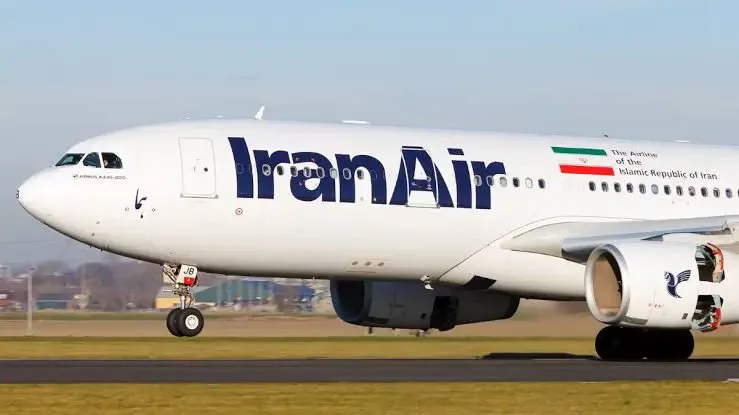
The disruption follows a new US sanctions policy targeting companies and service providers that conduct business with Iranian airlines. US Treasury Secretary Scott Bessent had warned that Iranian airlines would effectively be shut down under the new measures, including through the threat of secondary sanctions against companies providing services to them.
All four Iraqi airports suspend Iran flights
Najaf is not the only Iraqi airport affected.
By Friday, flights between Iran and all four Iraqi airports where Iranian carriers had been operating — Baghdad, Najaf, Erbil and Sulaimaniyah — had been suspended, according to Reuters, Iraqi state media and other reports. Erbil and Sulaimaniyah joined the suspension on Friday after Baghdad and Najaf had already halted Iranian flights.
The development represents a significant disruption to one of Iran’s important regional aviation links. Before the suspension, an employee of an Iranian airline at Najaf airport told AFP that Iranian carriers typically operated at least 20 flights a day there.
Travellers face longer journeys
The suspension has left passengers searching for alternative ways to travel between Iraq and Iran.
Land routes remain available, but travellers may face journeys lasting at least 12 hours depending on their destinations. Reports from Najaf and Iran described passengers being stranded or forced to make alternative arrangements after their flights were cancelled.
The consequences could be particularly serious for patients receiving medical treatment in Iran and students studying there, as well as pilgrims who regularly travel between the two countries.
Iraq seeks humanitarian exemption
The Iraqi government is now seeking an exemption from the US measures for certain flights.
On Saturday, September 26, the office of Prime Minister Ali al-Zaidi said Iraq was holding direct talks with Washington to secure exemptions that would allow some Iranian flights to resume for humanitarian purposes.
The proposed exemptions would cover medical treatment, education, religious visits and other civilian needs.
The request highlights the difficult position facing Baghdad as it attempts to comply with US sanctions while maintaining important religious, medical and educational links with neighbouring Iran.
Iran criticises the suspension
The suspension has also drawn criticism from Iranian officials.
Iran’s consulate in Najaf expressed its opposition to the closure of the air route, while Iranian authorities have faced increasing disruption to international aviation as countries respond to Washington’s new sanctions policy.
The United Arab Emirates has also suspended flights operated by Iranian airlines, while flights involving Iran and Oman have been affected by the wider restrictions.
For now, Najaf’s suspension remains in effect, with the Iraqi government seeking a way to restore at least some flights without exposing Iraqi aviation and service providers to the US sanctions regime.
The latest development demonstrates how the expanded US sanctions on Iran are increasingly affecting not only Iranian airlines but also regional airports and passengers who depend on them for travel, healthcare, education and religious pilgrimages.