


By TheDailyNewsHub
The European Union has identified Burutu Port in Delta State as a potential international maritime hub under a proposed Sea Link project that could connect Lagos, the Niger Delta and communities along the River Niger.
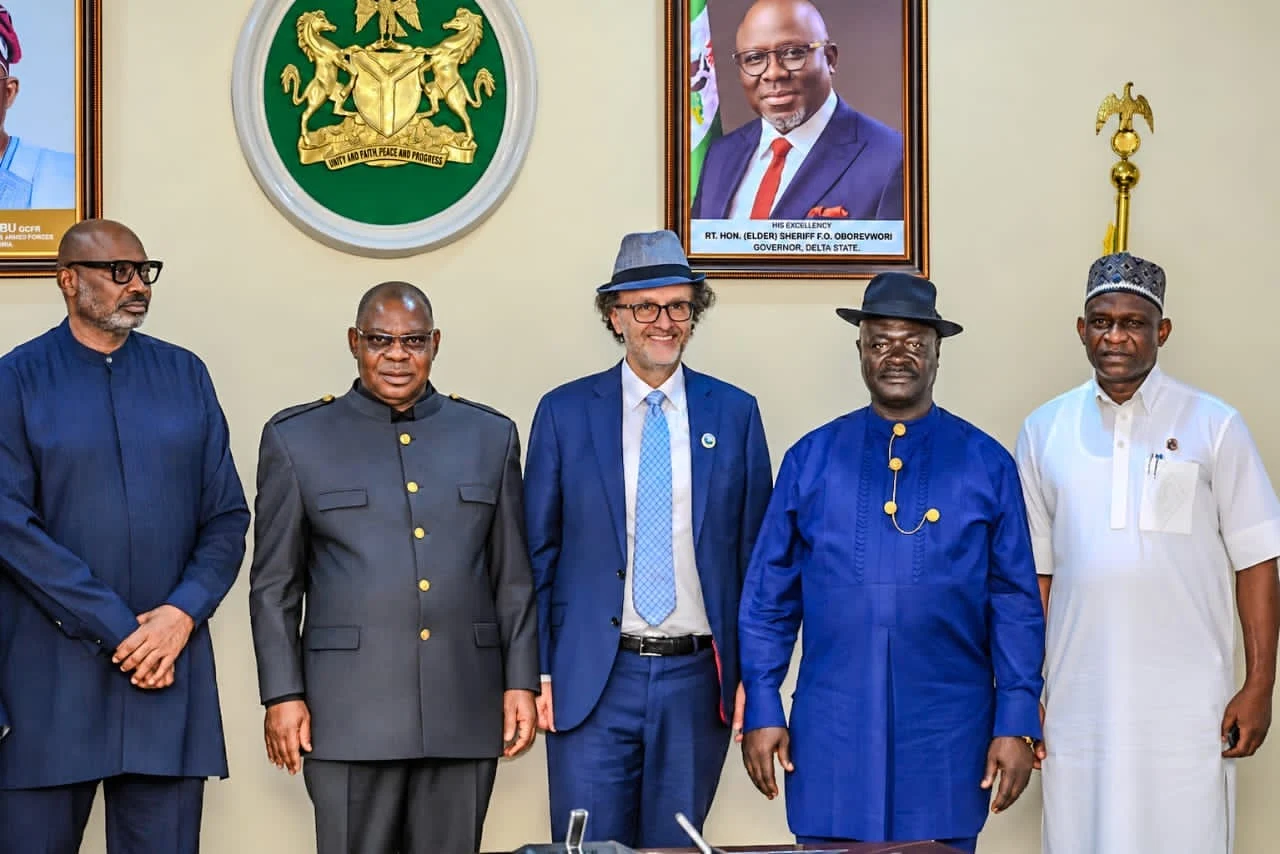
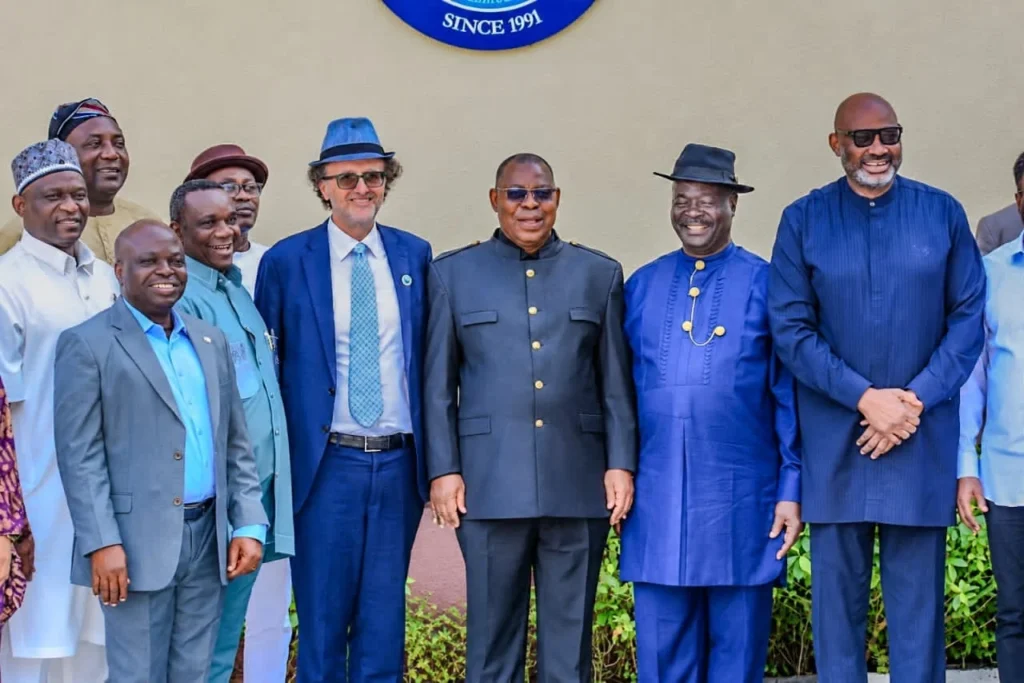
The development was disclosed on Thursday by the EU delegation to Nigeria and the Economic Community of West African States (ECOWAS), led by Massimo De Luca, during a courtesy visit to the Delta State Government in Asaba.
According to De Luca, the proposed Sea Link would establish a transportation route from Lagos through the coastal corridor to Burutu and then along the River Niger, passing through Onitsha in Anambra State and extending to Ajaokuta in Kogi State.
He described Burutu’s location in the Niger Delta as strategically important to the project because of its potential to serve both maritime and inland-waterway transportation.
“When you look at the geography of the project, we already have an existing port that may require substantial rehabilitation, but it is strategically located in the Niger Delta. I’m referring to the Port of Burutu,” De Luca said.
He said the proposal could go beyond making Burutu a stopover on the route, with the port potentially transformed into an international gateway capable of handling ocean-going vessels and international trade.
“We believe Burutu has the potential to become a fully-fledged international port; this gives the project a dual aspect,” De Luca said.
He further compared the potential development of Burutu to the role played by the Port of Antwerp-Bruges in Belgium, saying the Delta port could eventually be opened to international maritime trade.
The proposed project is being pursued under the EU’s Global Gateway Strategy, according to De Luca.
The EU representative said the initiative would seek to shift part of Nigeria’s freight movement from roads to rivers and coastal waterways, potentially reducing pressure on road infrastructure while creating new commercial opportunities.
“The first transformative impact of this project is that it will help shift traffic from the roads to the rivers and coastal waterways. It will also create new business opportunities and stimulate economic activity,” he said.
Financing discussions underway
De Luca disclosed that discussions were already ongoing on the financing structure for the proposed project.
He said a consortium involving several parties was expected to participate, with investment expected to cover barges and port infrastructure, particularly facilities at Burutu.
The proposed development could therefore involve not only rehabilitation of existing port infrastructure but also the creation of a broader multimodal transportation system linking sea, coastal and inland waterways.
For Delta State, the proposal could represent a significant opportunity to strengthen its position in Nigeria’s maritime and blue-economy ambitions.
Receiving the EU and ECOWAS delegation, Governor Sheriff Oborevwori, who was represented by his Deputy Governor, Monday Onyeme, welcomed the proposed development and pledged the state’s cooperation.
Oborevwori said Delta had been discussing the development of its blue economy since the beginning of his administration and was eager to take advantage of opportunities in the sector.
“We have been talking about the blue economy since the beginning of this administration, and we are all very eager to participate in it and enjoy the enormous benefits that the blue economy has to offer,” the governor said.
He noted that Delta’s extensive network of waterways gave the state a strong geographical advantage for maritime and inland-waterway transportation.
“As a state with an extensive network of waterways, we are ready to provide all the necessary cooperation and support to enable this dream, which is indeed our collective dream, to become a reality,” he added.
The governor also said the involvement of the EU and other development partners had strengthened his confidence that the long-discussed development of Delta’s maritime sector could become a reality.
He described the involvement of the international partners as a significant development for the state’s blue-economy ambitions.
The proposed Sea Link comes against the background of longstanding efforts to improve maritime connectivity between Nigeria’s coastal communities and inland commercial centres.
The Nigerian Shippers’ Council has also been involved in a separate Sea Link initiative involving Nigeria, Equatorial Guinea and São Tomé and Príncipe, aimed at improving maritime trade and reducing the cost of moving cargo between the participating countries.
The newly proposed route involving Burutu, however, would create a different and potentially much broader connection within Nigeria, linking Lagos to the Niger Delta and the River Niger corridor.
If implemented, the project could create new opportunities for cargo transportation, logistics, port services, shipbuilding, warehousing and other maritime-related businesses along the route.
For Burutu, the proposal could also revive long-standing ambitions to transform the port into a major international maritime facility capable of attracting ocean-going vessels and supporting international trade.
However, the project remains proposed, and the financing, rehabilitation requirements and implementation arrangements still need to be worked out.
For now, the EU’s identification of Burutu as a potential international maritime hub represents a significant development in Delta State’s long-running push to unlock the economic potential of its waterways and ports.