


By TheDailyNewsHub News Desk
The Independent National Electoral Commission (INEC) is integrating artificial intelligence into its election results verification process ahead of Nigeria’s 2027 general elections, as the commission moves to strengthen its technological safeguards and respond to emerging threats such as deepfakes and digitally manipulated electoral information.
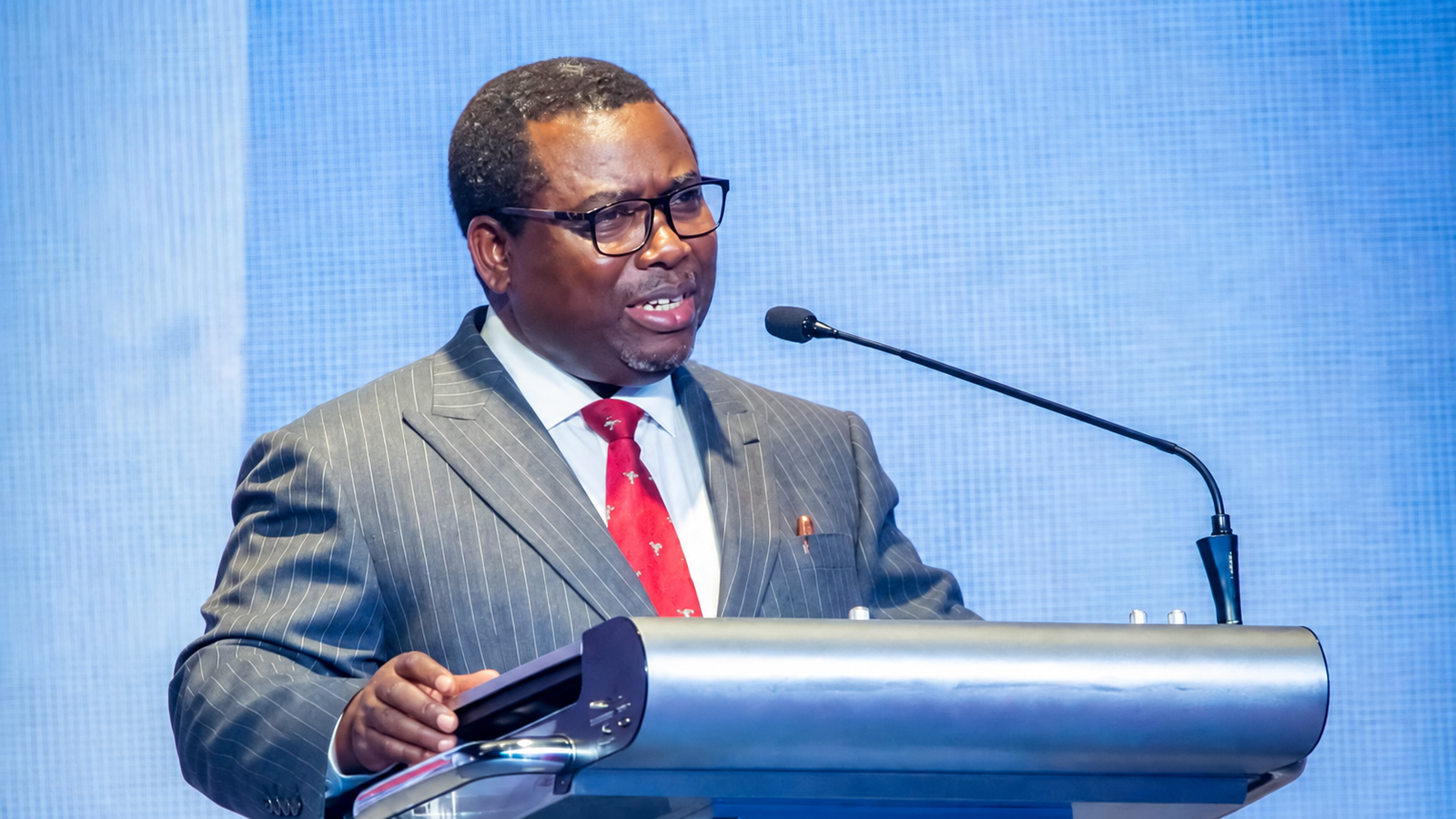
INEC Chairman, Professor Joash Amupitan, disclosed the development on Tuesday, October 6, in Abuja during a World Press Conference and National Stakeholders’ Meeting organised as the commission marked 100 days to the first ballot of the 2027 elections. The announcement confirms that artificial intelligence will form part of the commission’s preparations for the next general election.
“The commission has established a dedicated artificial intelligence division within the ICT department. Automated AI auditing tools have been integrated into our results verification process, under a five-pillar AI governance framework, operating under mandatory human oversight,” Amupitan said.
The chairman said the commission was also finalising an AI governance policy to guide the deployment of the technology. According to him, INEC is working with international technology partners on AI-driven anomaly-detection tools designed to identify irregularities and monitor activity affecting the commission’s digital systems.
The use of AI is therefore not being presented by INEC as a replacement for election officials. Rather, the commission says the systems will operate with mandatory human oversight, with automated tools assisting officials in identifying anomalies that require further examination.
That distinction is important because election results remain subject to the statutory processes established under Nigeria’s electoral framework. INEC has previously highlighted the role of human officials and technological safeguards in verifying polling-unit results before they proceed through the collation process.
The commission has also identified cybersecurity as an area where the new technology could play a role. Amupitan said INEC was integrating AI-driven tools to monitor database traffic and help protect its public portals against cyber intrusions and unauthorised alterations.
The announcement comes as concerns over artificial intelligence-generated misinformation increasingly intersect with election preparation. Amupitan warned that generative AI, voice cloning and deepfake videos could be used to fabricate the voices of election officials, alter result documents or create false official communications.
He said the challenge was not limited to individual false claims because highly convincing fabricated material could make citizens suspicious even of genuine information released by authorised institutions.
The INEC chairman consequently urged media organisations to strengthen their verification procedures before publishing election-related claims. He also cautioned against the publication of privately collated election results or premature declarations, stressing that the statutory authority to declare election results rests with the electoral commission.
INEC’s move to incorporate AI comes alongside a broader expansion of its election technology infrastructure. The commission says it has acquired 57,000 additional Bimodal Voter Accreditation System devices and is carrying out upgrades and stress tests on its existing technology ahead of the 2027 polls.
The commission also plans a nationwide mock accreditation and election simulation exercise in November. According to information presented by Amupitan, the exercise is intended to test personnel, equipment and network arrangements under conditions designed to reflect the operational demands of election day.
INEC is also developing an enhanced electronic results management system. The commission says the eEC8A system will help authenticate polling-unit result sheets and facilitate their upload to the INEC Result Viewing Portal, known as IReV.
The emphasis on results verification reflects concerns raised by INEC earlier in the year about possible weaknesses in the result-management process. In February, Amupitan said the commission had introduced additional safeguards into BVAS to check mathematical inconsistencies, prevent over-voting and validate information entered by presiding officers before results are finalised.
The commission’s current AI initiative builds on that broader strategy by adding automated analysis to the existing layers of verification. The exact technical specifications of the AI systems, including the models, vendors and precise thresholds that will trigger human review, have not been fully disclosed publicly.
The 2027 election preparations are taking place against a fixed electoral timetable. INEC’s published schedule provides for the presidential and National Assembly elections on February 20, 2027, followed by governorship and State House of Assembly elections on March 6, 2027.
With the first election now approaching, INEC says its preparations have moved beyond planning into procurement, technology deployment, personnel preparation and operational testing.
The commission’s adoption of AI also introduces a new responsibility: ensuring that automated systems themselves are transparent, secure and subject to appropriate human supervision. INEC’s stated five-pillar governance framework is intended to address that concern, although further details of the framework are still being developed.
The immediate purpose of the technology, according to the commission, is to help identify anomalies, strengthen verification and protect electoral information systems rather than allow machines to determine electoral outcomes.
As Nigeria moves towards the 2027 elections, the effectiveness of the approach will depend not only on the technology itself but also on the quality of human oversight, the security of INEC’s digital infrastructure and the ability of election officials and the media to distinguish authentic electoral information from increasingly sophisticated digitally generated material.
The development adds another technological layer to INEC’s preparations for what will be one of Nigeria’s largest electoral exercises, while placing greater emphasis on the responsible use of artificial intelligence in the protection and verification of election information.