


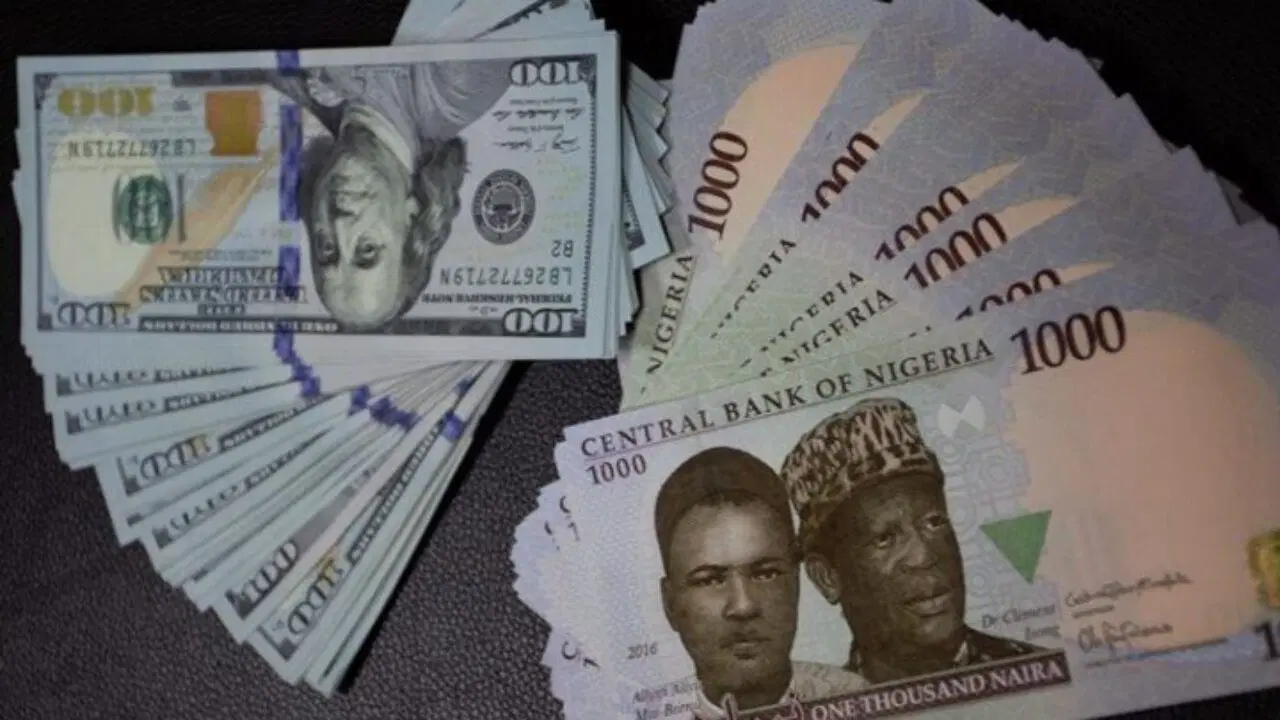
The Federal Government has warned that restoring a broad petrol subsidy could put further pressure on Nigeria’s public finances and weaken the naira, with Finance Minister and Coordinating Minister of the Economy, Taiwo Oyedele, saying the exchange rate could approach ₦3,000 to the dollar while subsidised petrol could cost at least ₦2,000 per litre.
Oyedele made the remarks on Thursday, October 8, 2026, during a press briefing in Abuja on rising petrol prices and renewed calls for government intervention in the downstream petroleum sector.
The minister’s warning comes as the Federal Government itself announced measures aimed at cushioning the impact of higher fuel prices, including a proposed ceiling of ₦1,350 per litre on the ex-gantry or landing cost of petrol and a temporary 30-day discount on petrol sold through Nigerian National Petroleum Company Limited (NNPCL) stations, with priority for public transport operators.
Oyedele said the government’s proposed price-modulation mechanism was not a return to the petrol subsidy regime. Under the arrangement being negotiated, refiners and importers would initially absorb costs above the proposed ₦1,350 ceiling and recover the shortfall later when crude oil prices or foreign exchange conditions improve.
He said the objective was to reduce the sharp swings in pump prices caused by movements in international crude prices and the exchange rate, rather than permanently fixing petrol prices.
The minister also addressed growing calls for a return to subsidy, arguing that such a policy would create a significant fiscal burden at a time when Nigeria is already dealing with elevated energy costs and external market pressures.
According to Oyedele, Nigeria consumes roughly 50 million litres of petrol daily. He estimated that returning petrol to its pre-reform price could cost the government more than ₦20 trillion annually, before accounting for possible increases in consumption and smuggling.
He further warned that even proposals to sell petrol at ₦500 per litre could require more than ₦16 trillion in annual government spending.
Oyedele said the economic consequences would extend beyond the subsidy bill itself. He argued that financing such a programme could increase pressure on the naira and foreign exchange market, leading to an exchange rate of about ₦3,000 to the US dollar within months under the scenario outlined by the government.
He consequently projected that petrol sold under such a subsidy arrangement could still cost at least ₦2,000 per litre when the broader foreign exchange consequences were taken into account.
The projection is a warning from the minister, rather than an official forecast that the naira will necessarily reach ₦3,000 per dollar or that petrol will rise to ₦2,000 per litre.
The significance of the warning comes into sharper focus against the current exchange-rate position. The naira traded at an official Nigerian Foreign Exchange Market rate of about ₦1,331.77 to the dollar for the October 7 session, with a closing rate of ₦1,332.75, according to data reported from the Central Bank of Nigeria.
The minister’s comments also come amid an international energy shock that has pushed up crude oil prices. TheDailyNewsHub recently reported that oil prices had risen above $100 per barrel as concerns over attacks and disruption around the Strait of Hormuz intensified.
Oyedele said the recent increase in Nigerian petrol prices should not be attributed entirely to domestic policy, pointing to the impact of the international energy crisis. Petrol that previously sold for around ₦830 per litre when crude was near $70 per barrel was now averaging around ₦1,400 per litre, according to figures he cited at the briefing.
The government is therefore pursuing measures intended to reduce the immediate burden without formally restoring the universal subsidy system.
One of those measures is the 30-day discount on petrol supplied through NNPCL stations. Oyedele said public transport operators would receive priority under the initial arrangement and stressed that the government considered it a cost-based intervention rather than a subsidy.
The government is also considering forward sales of crude oil to domestic refineries. The proposal is intended to give local refiners greater certainty over crude supply and reduce their exposure to sudden changes in international prices.
That measure could become increasingly important as Nigeria’s domestic oil production improves. TheDailyNewsHub reported on Thursday that NNPC Limited had put recent crude and condensate production at 1.821 million barrels per day, although the figure includes condensates.
Other measures announced by the government include efforts to remove illegal levies and road-use charges that increase transportation costs, expanded cash transfers for vulnerable households, subsidised credit for small businesses and faster deployment of compressed natural gas for transport operators.
The government is also considering an excess-profits tax on businesses that take undue advantage of consumers during the current crisis, with proceeds potentially directed towards transport support or targeted assistance.
A national strategic fuel reserve is also being considered to strengthen supply security and reduce the risk of shortages, while the government plans to work with state authorities on logistics and traffic measures aimed at lowering fuel consumption.
Oyedele maintained that none of the measures amounts to a restoration of the former blanket petrol subsidy.
His comments are likely to keep the subsidy debate at the centre of Nigeria’s economic discussion, particularly as higher petrol prices continue to affect transportation, logistics, household spending and business operating costs.
For the government, the challenge is now to provide relief without recreating the large fiscal and foreign exchange pressures it associates with the previous subsidy regime. For Nigerians, the immediate question remains whether the new interventions can moderate petrol prices and transport costs without creating another round of economic instability.