


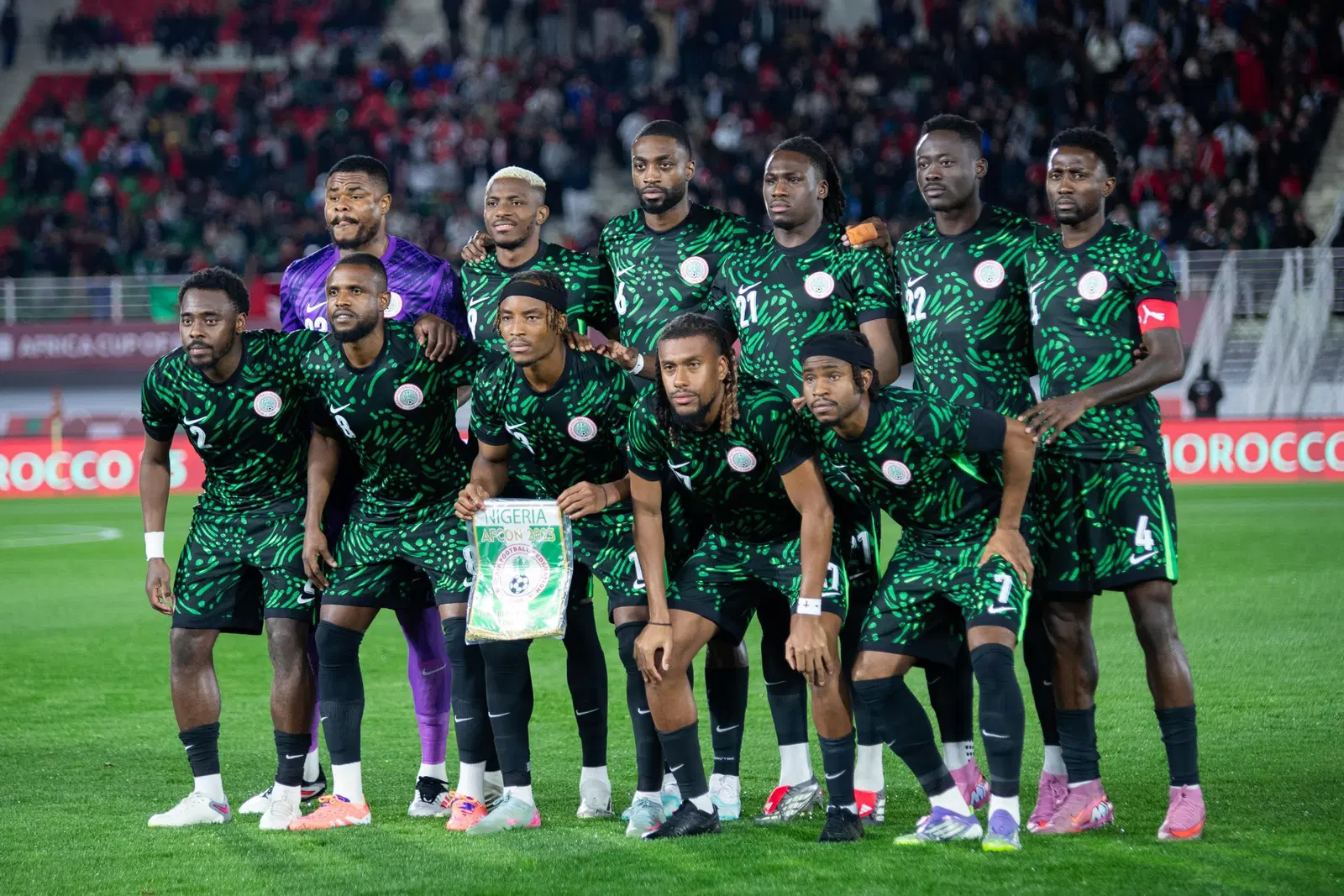
By Femi Mustapha in Kaduna
As Nigeria marks 66 years of independence today, October 1, 2026, there is little to celebrate in the house that once united the nation more than any government policy. Football, the beautiful game, is losing its grip on the Nigerian spirit, and with it, a powerful symbol of our unity is fading.
Nigeria’s story as an independent nation began with great promise on October 1, 1960. A country of over 250 ethnic groups, bound by colonial boundaries, needed common threads to hold together. The nationalists found one in the Green-White-Green flag, another in the national anthem, but the most potent was football.
It arrived with the colonial masters in the early 1900s and was played in schools in Lagos, Calabar, and Ibadan, but Nigerians turned it into a religion. From the Challenge Cup of the 1940s to the emergence of legends like Teslim Balogun, football became the first truly national institution in which Igbo, Hausa, and Yoruba men wore the same jersey and sang the same victory song.
At independence, football was already a tool for nation-building. The 1960s and 1970s saw regional rivalries among Stationery Stores, Rangers International, and Mighty Jets transmute into national pride. When the then Green Eagles won the Africa Cup of Nations for the first time in 1980, beating Algeria 3-0 at the National Stadium in Lagos, the military head of state, President Shehu Shagari, declared a national holiday. For once, there was no North or South, Christian or Muslim—only Nigeria.
That unity also had economic and security value. Football kept youths off the streets, created jobs for players, coaches, journalists, traders, and artisans around stadiums, and earned Nigeria global respect that oil money could not buy. During dark periods of coups and civil strife, victories on the pitch healed wounds that politics could not.
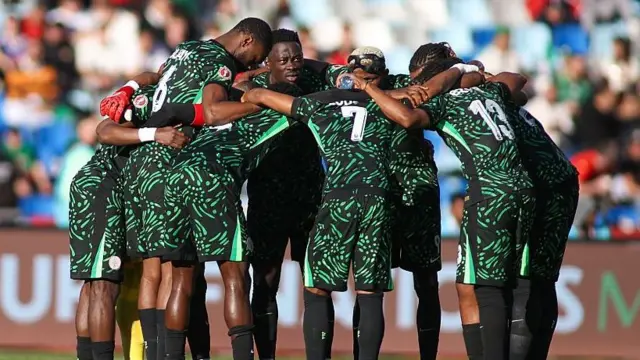
The rebranding from Green Eagles to Super Eagles in the late 1980s ushered in a golden era that coincided with Nigeria’s return to global relevance. The 1994 team remains the benchmark. Led by Dutchman Clemens Westerhof and captained by the iconic Stephen Keshi, with Rashidi Yekini, Jay-Jay Okocha, Daniel Amokachi, Finidi George, and Emmanuel Amuneke, Nigeria won the AFCON in Tunisia and qualified for its first World Cup.
At USA ’94, the Eagles announced themselves with a 3-0 thrashing of Bulgaria. Yekini clutching the net after scoring remains Nigeria’s most iconic sporting image. By 1994, Nigeria was ranked fifth in the world by FIFA, still the highest ever for an African nation. Two years later, at the Atlanta Olympics, the U-23 Dream Team, with Kanu Nwankwo and Okocha, defeated Brazil and Argentina to win Africa’s first Olympic football gold medal. At France ’98, Nigeria again stunned Spain 3-2.
For more than two decades, qualification for AFCON and the World Cup was a routine national festival. Stadiums in Lagos, Abuja, and later Uyo were fortresses. The Super Eagles shirt was the most-worn uniform in markets from Kawo to Onitsha. It was a source of collective dignity.
Today, at 66, that dignity is in tatters, and with it, hope is fast receding.
On Tuesday at the 24 September Stadium in Bissau, the mighty Super Eagles were humiliated 3-0 by Guinea-Bissau in a 2027 AFCON qualifier, a result that has triggered national outrage and perfectly mirrors the national mood of disappointment.
Franculino Dju opened the scoring in the 15th minute, curling expertly beyond a rooted Stanley Nwabali. Coach Eric Chelle, who had made several changes from the slim 2-1 win over Madagascar in Uyo, watched his team unravel. Mama Balde made it 2-0 on 66 minutes after outwitting Bright Osayi-Samuel, before substitute Alvaro Djalo danced into the box deep in added time to seal a 3-0 victory for the Djurtus.
It was Guinea-Bissau’s second-ever win in five meetings against Nigeria, repeating their 1-0 shock in Abuja in 2023. The result leaves Nigeria’s qualification in jeopardy. Guinea-Bissau now top Group L with six points; Nigeria are second with three. With Tanzania already guaranteed a slot as co-host of the 2027 AFCON alongside Kenya and Uganda, only one team from Nigeria, Guinea-Bissau, and Madagascar will qualify.
This comes on the heels of a bigger national humiliation: failure to qualify for the 2026 World Cup in the USA, Mexico, and Canada. Missing back-to-back World Cups after missing Qatar 2022 is unthinkable for a nation that once featured in six World Cups.
For many Nigerians, the fall of the Eagles reflects the fall of the country itself. Once feared for their talent and organization, they are now ridiculed for poor planning and a lack of patriotism. Coach Chelle’s post-match apology did little to calm frayed nerves.
“I apologize to the fans. Guinea-Bissau were the better side. The pitch is also bad, but we accept responsibility,” Chelle said.
But Nigerians are no longer buying excuses. At Pantaka Market in Kaduna, jersey seller Malam Sani Musa said fans now prefer buying Manchester City and Real Madrid shirts because the Eagles bring only heartbreak. “When Eagles lose, my market loses. People don’t buy. Football was our economy,” he said.
A former technical director of Rancher Bees, Mukhtar Ismail, said the team lacks leaders like Keshi and Joseph Yobo, who would never accept such humiliation. A human kinetics specialist at AFIT Kaduna, Temiloluwa Ruth Oyelola, who stayed awake to watch the match, said she ended up in tears. “My generation only hears stories of USA ’94. We are losing our history,” she lamented.
A civil servant, Mr. John Yakubu, said the bad-pitch excuse was insulting, recalling that the great Eagles had won on worse pitches across Africa. Sports journalist Tunde Adebayo, in Abuja, noted that CAF’s clarification that only one team will qualify from Group L has now put enormous pressure on the team ahead of the November doubleheader against Tanzania.
As Nigeria celebrates 66 years of flag independence, the decline of football calls into question our real independence. A nation that cannot organize its most beloved sport cannot organize its security or economy. Football once kept idle youths out of crime; it projected Nigeria positively abroad; and it brought in foreign exchange and tourism during tournaments. Its decline has economic and security costs.
Yet, at 66, there is still time for redemption, just as there is for the country. Many sports enthusiasts who spoke to this reporter believe the way forward requires a complete reset starting at the grassroots.
Alhaji Liman Usman, a football administrator, said the NFF must invest in structured youth development and revive academies, school sports, and the NPFL as genuine feeders for the national team, rather than relying on hurried foreign call-ups that lack chemistry. “Selection must return to merit, form and commitment, not reputation or influence,” he said.
He added that the federation itself needs urgent reforms in administration, technical planning and accountability. A sound technical department with a clear playing philosophy, better scouting, data-driven player monitoring and proper preparation, including quality friendlies and camping, will restore discipline and identity. “Coaches must also be given time, support and realistic targets, while players must be held to high standards of patriotism and professionalism.”
Temiloluwa Ruth Oyelola opined that the government, the private sector, and fans must play their roles. “Improved funding, corporate sponsorship tied to performance, upgraded home pitches and an end to interference will create stability, while fans must continue to demand excellence. Only with such a holistic overhaul can the Super Eagles regain the fear factor of 1994 and make Nigeria proud again,” she stressed.
From world beaters who defeated Spain and Bulgaria to a team struggling against Guinea-Bissau, the story of the Super Eagles mirrors Nigeria at 66 – blessed with talent, rich in history, but held back by poor leadership and lack of planning.
As the Green White Green flags flutter today, the question echoing from Lagos to Maiduguri is simple: If football, the one thing that truly united us, is now a source of collective shame, what will unite us at 70?
The answer lies not just in sacking a coach or inviting new players, but in rebuilding the Nigerian spirit itself. For when the Eagles soar again, Nigeria will soar again.